
How To
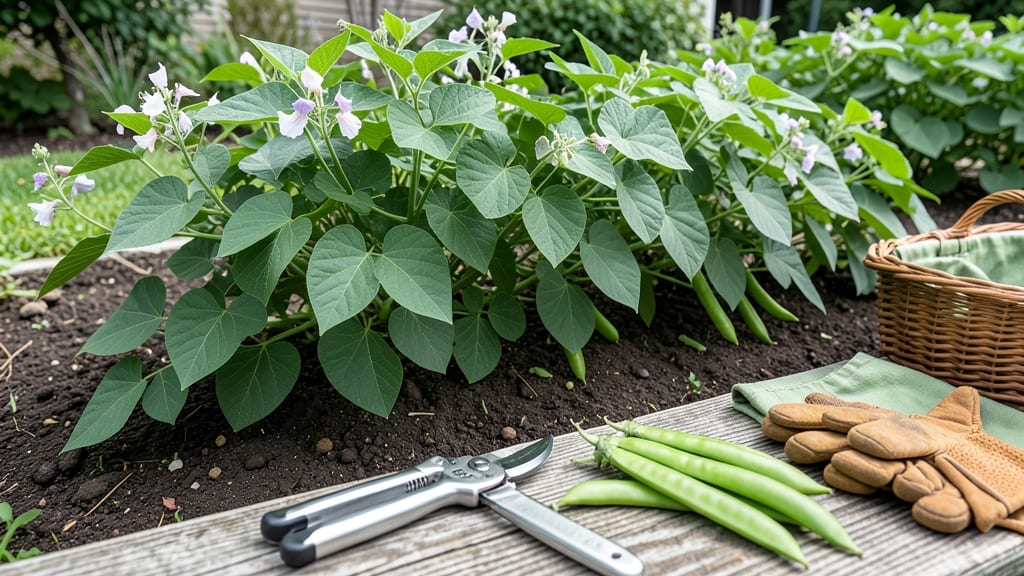
Harvesting yard long beans at the right time ensures they’re crisp, sweet, and full of flavor—70 to 90 days after planting is when the magic happens.
Picture this: you’ve nurtured your 🌱 yard long beans all season, and now they’re stretching toward the sky. But how do you know when to snip? Wait too long, and those tender pods turn tough and stringy.
Harvest too early, and you miss the peak taste. The secret lies in pod size, color, and a simple bend test—details that make all the difference.
In USDA Zone 6, where spring planting kicks off after the last frost, your beans will likely be ready by mid-summer. But timing isn’t just about days—it’s about visual cues.
Look for pods that are 12 to 18 inches long, firm to the touch, and snap easily when bent. These are your telltale signs of perfect ripeness, ensuring every bite is as delicious as it is satisfying.
Below, I’ll walk you through the exact steps to check for readiness, regional tweaks, and how to keep your plants producing like champs. No more guesswork—just crisp, flavorful beans straight from your garden.

How to identify yard long beans ready for harvest by pod size
Mastering the perfect harvest timing for yard long beans starts with understanding their ideal pod length. These beans thrive when picked between 12 and 18 inches, where they strike the perfect balance of crisp texture and sweet flavor.
Harvesting too early means missing out on full development, while waiting too long results in woody, fibrous pods that lose their appeal. Let’s break down how to measure and recognize the sweet spot for harvesting.
To check if your yard long beans are ready, use a tape measure or ruler to gauge pod length. The 12-inch mark is your minimum target, but pods between 14 and 16 inches offer the best flavor profile.
In warmer climates like USDA Zone 9 or 10, beans may grow faster, so you might harvest at the lower end (12–14 inches) to avoid overgrowth. Conversely, cooler regions like Zone 7 or 8 may see slower growth, so aim for the upper range (16–18 inches).
| Pod Length | Flavor & Texture | Harvest Window | Best For |
|---|---|---|---|
| 10–12 inches | Tender but underdeveloped | Early season | Quick stir-fries |
| 12–14 inches | Crisp, sweet, ideal | Peak season | Main harvest |
| 14–16 inches | Slightly firmer, still sweet | Late season | Longer cooking |
| 16–18 inches | Firmer, less sweet | End of season | Drying or freezing |
| 18+ inches | Woody, tough | Avoid | Discard |
Early in the growing season, your yard long beans may not reach the ideal 12-inch mark as quickly. In these cases, focus on consistent harvesting every 2–3 days to encourage more pods to develop.
If you notice pods stretching beyond 18 inches, it’s a sign the plant is overripe and may stop producing new beans. This often happens in hot, dry climates where growth accelerates, so stay vigilant during summer months.
Regional variations also play a role in pod size. In cooler climates, such as the Pacific Northwest, beans may take longer to reach harvest size, so don’t rush—patience pays off with sweeter, more flavorful pods.
Meanwhile, in southern states like Florida or Texas, the faster growth means you’ll need to harvest more frequently to keep pods at the 12–16 inch range. Adjust your harvesting schedule based on your local climate and seasonal cues.
One common mistake is assuming all pods on a plant are ready at the same time. Spot-check multiple pods across the plant to ensure consistency. If some are 12 inches while others are only 8 inches, prioritize harvesting the larger ones to avoid overgrowth.
This selective approach also helps maintain the plant’s energy for continuous production throughout the season. Think of it as a pruning technique to keep your yard long beans productive.
To measure pods accurately, use a flexible tape measure or lay them alongside a ruler for a quick check. If you don’t have measuring tools, compare the pod to a standard object, like a 12-inch ruler or a baseball bat.
For a more hands-on approach, pinch the pod gently—if it snaps cleanly and feels firm but not hard, it’s ready for harvest. This tactile test is especially useful when you’re harvesting in bulk and need to quickly assess readiness.
Overlooking pod size can lead to bitter, fibrous beans that ruin dishes. If you’ve let pods grow past 18 inches,
Color and texture clues: when yard long beans are perfectly ripe
Your yard long beans will reveal their perfect harvest moment through subtle color shifts and texture changes. When pods transition from vibrant green to a pale yellow-green hue, that’s your cue—this shift signals peak sweetness.
The pod surface should feel firm to the touch but yield slightly when gently squeezed, like a crisp cucumber. If you press too hard and feel resistance, the beans have overmatured.
Never harvest beans with fully developed seed pods inside—these beans will taste bitter and fibrous. Instead, look for pods where seeds are just visible through the translucent skin but haven’t yet darkened.
This translucent phase is your golden window for harvesting, typically occurring between 70-90 days after planting, depending on your climate.
🌱 Perfect Yard Long Bean Ripeness Checklist
- Pod Length: 12–18 inches
- Color: Pale yellow-green (not bright green)
- Texture: Firm but slightly yielding
- Seed Stage: Visible but not dark/fully formed
- Sound: Snaps cleanly when bent
⚠️ Avoid harvesting when pods are:
- Bright green (underripe)
- Woody or hollow-sounding (overripe)
- Seed pods fully dark (bitter flavor)
Morning harvests are ideal because pods absorb less heat stress and retain their crispness longer. Use sharp pruning shears or your fingers to snap pods cleanly at the stem—never twist, as this can damage the vine.
If you notice yellowing leaves or stunted growth after harvesting, your plant may need extra water or nutrients to recover.
In hotter climates, pods may ripen faster—check beans every 2-3 days during peak summer months. Conversely, cooler regions might extend the harvest window by 1-2 weeks. Always prioritize consistent harvesting to encourage continuous production throughout the season.
One common mistake is harvesting beans with curled edges—this indicates overmaturity and poor flavor. If you’ve missed the window, don’t despair! Overripe pods can still be used in stews or soups, but they’ll lack the crisp texture of freshly harvested beans.
For best results, aim to harvest 3-4 times per week during the plant’s peak production phase.
Pro tip: Store harvested beans in the fridge for up to 5 days in a perforated bag to maintain freshness. If your plants produce more than you can use, try freezing or blanching excess pods to preserve their nutrients.
With these clues, you’ll never again miss the perfect moment to harvest your yard long beans! 🌿