
Vegetables
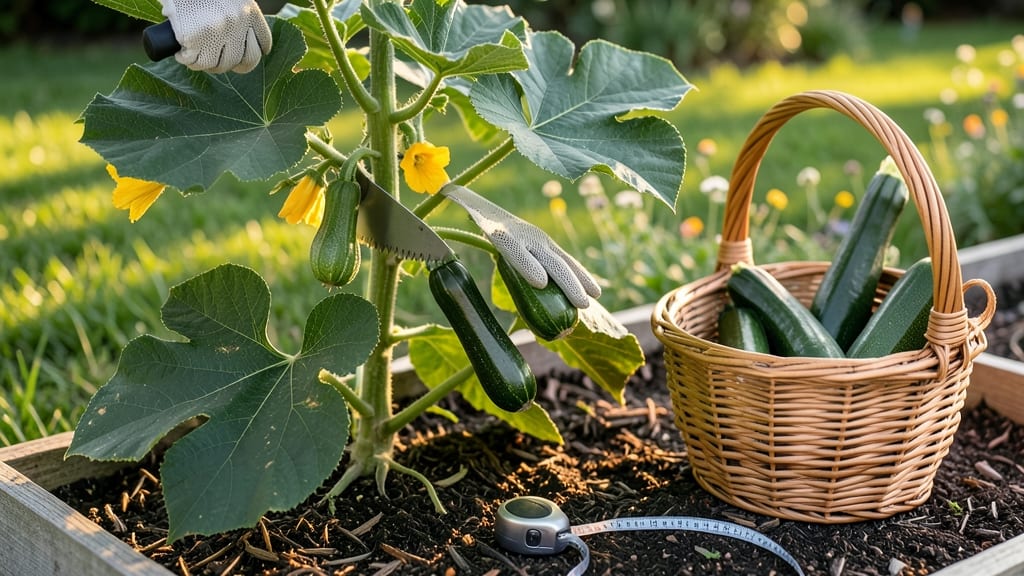
Harvesting zucchini squash at the right time means the difference between a tender, flavorful 🎃 and a tough, seedy disappointment.
Picture this: you wake up to find a foot-long monster where a tiny zucchini once was. That’s not just a kitchen challenge—it’s a plant stress signal. Zucchini squash can go from garden star to kitchen staple—or turn into a mushy mess—in just days.
Timing your harvest perfectly ensures tender, flavorful produce, and avoiding these mistakes means no bitter surprises. The key? Watching for three visual cues: size, skin firmness, and color changes that tell you exactly when to grab your shears.
Below, I’ll walk you through the thumb-size rule, how to check seed development, and what happens if you wait too long (or pick too soon). No more guesswork—just perfect, ready-to-use zucchini every time.
The thumb-size rule: how big should zucchini be when harvested?
Harvesting zucchini at the perfect size ensures tender, flavorful squash instead of tough, seedy monsters. The classic thumb-width rule is your best friend here—when your zucchini measures about 1-2 inches wide (roughly the width of your thumb), it's prime for picking.
This size usually translates to 6-8 inches long, depending on the variety.
Why does this rule work? Zucchini grow rapidly—sometimes overnight—and can quickly become overripe. Harvesting at this stage guarantees sweet, mild flavor and thin, edible skin. Plus, regular harvesting encourages your plant to produce more squash instead of focusing energy on one giant fruit.
The thumb-width rule isn't one-size-fits-all, though. Different zucchini varieties mature at slightly different rates. Bush varieties (like 'Eight Ball' or 'Patio Star') tend to stay smaller, while vining types (like 'Black Beauty') can grow longer. Always check your seed packet for variety-specific recommendations.
Here’s how to adjust the rule for your plants:
- Bush varieties: Harvest when 1-1.5 inches wide (they rarely get much bigger).
- Vining varieties: Aim for 1.5-2 inches wide and 8-12 inches long.
- Round types (like 'Gold Rush'): Pick when 3-4 inches in diameter.
One common mistake is waiting until zucchini are too large—often because gardeners miss the early signs. By the time they reach 3 inches wide, the seeds inside are fully developed, and the flesh becomes stringy and bitter. Overgrown zucchini also steal nutrients from your plant, reducing future yields.
Another pitfall is harvesting too early, before the squash reaches the thumb-width stage. Underripe zucchini have thin, watery flesh and lack the sweetness of properly matured fruit. To avoid this, check your zucchini every 2-3 days during peak growing season (late summer).
Pro tip: Use a softball-sized zucchini as your visual guide. When your squash is roughly that size, it’s likely ready. This works especially well for vining varieties, which can grow longer but should still be harvested before they outgrow their space.
If you’re growing zucchini in containers or small spaces, harvest even earlier—around 6 inches long. These plants often produce more frequently but need frequent picking to stay productive. Ignoring this can lead to crowded vines and diseases like powdery mildew.
Remember, the thumb-width rule is a starting point, not a strict rulebook. Always combine it with visual cues like color and texture for the best results. Next, we’ll dive into those 3 key visual signs that your zucchini is truly ready to harvest.
3 Visual cues to harvest zucchini at peak ripeness (beyond the ruler)
While the thumb-width rule is a great starting point, zucchini ripeness reveals itself through subtle visual clues that go beyond measuring. These 3 key indicators will help you pick your squash at its sweetest, most tender stage—before it turns tough or seedy.
I’ve learned the hard way that ignoring these signs leads to bitter, fibrous zucchini that’s barely edible.
First, pay attention to the blossom end (the end opposite the stem). When it starts showing a yellowish-brown hue, that’s your cue the zucchini is nearing peak ripeness.
This color change signals the fruit is developing natural sugars and losing its raw, grassy flavor. I always check this spot first—it’s the most reliable early warning system.
Next, examine the skin texture with your fingertips. A ripe zucchini should feel smooth but slightly yielding when pressed gently—like the skin of a ripe avocado. If it’s hard as a rock, it’s not ready yet; if it feels dented or spongy, it’s overripe.
I always do this test after checking the blossom end, as it confirms what I’ve already seen.
Finally, check the seed development—this is the secret to flavor and tenderness. Slice the blossom end open with a knife: if the seeds are tiny and pea-sized, you’ve got a winner.
But if they’re dime-sized or larger, the zucchini has passed its peak and will be seedy and bitter. Pro tip: I keep a small knife in my gardening apron just for this quick check!
Harvesting at this stage ensures your zucchini stays sweet, tender, and full of flavor. Plus, picking regularly encourages your plants to produce more—my bush varieties give me 50+ zucchini per season when I follow these cues. The key is to act fast once you spot these signs!
Don’t wait until your zucchini reaches football size—by then, it’s already past its prime. Trust these visual cues instead, and you’ll enjoy homegrown zucchini that tastes like summer in every bite. Happy harvesting! 🎃