
Vegetables
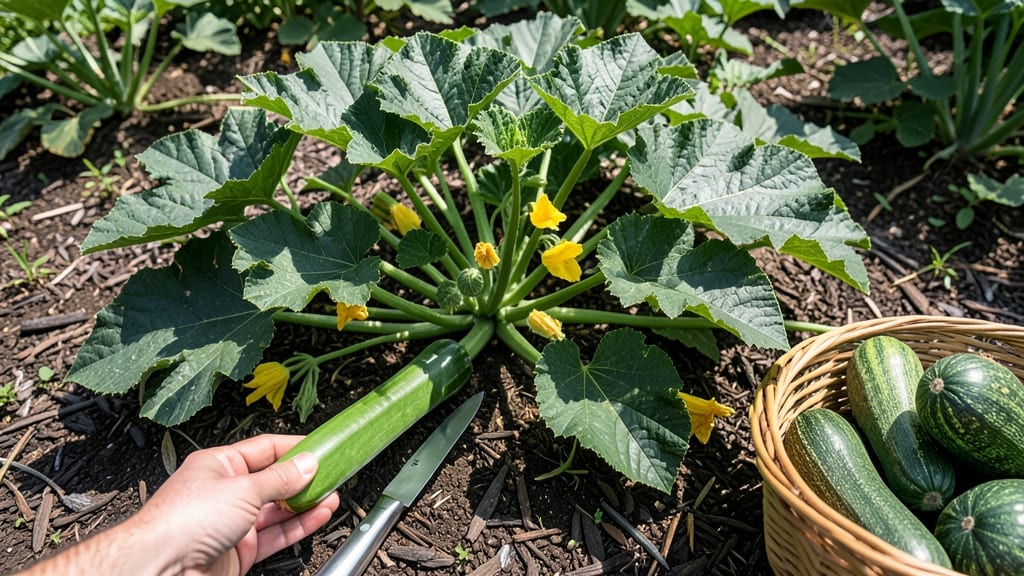
Harvesting zucchini at the right time means the difference between tender, sweet squash and a seedy, bitter mess that’s barely edible. The key is knowing when those 🎃 are ready—before they outgrow their flavor and your patience.
Picture this: You wake up to find a zucchini the size of a baseball bat, and your garden’s once-proud plants are now sprawling vines with more fruit than you can handle.
That’s what happens when you wait too long. But harvest too early, and you’re left with underdeveloped squash that lacks the rich, nutty taste you crave.
Luckily, there are three simple tactile tests to nail the perfect harvest window. From thumb pressure to size checks, these tricks ensure you pick your zucchini at peak ripeness—every single time. No more guesswork, no more wasted effort.
Below, I’ll walk you through each method, share common mistakes to avoid, and even tell you what to do if you do end up with a monster squash.
By the end, you’ll be harvesting like a pro—keeping your plants productive and your kitchen stocked with delicious, homegrown 🎃 all season long.
3 Tactile tests to harvest zucchini at perfect ripeness
Harvesting zucchini at the right moment transforms your garden’s summer bounty into tender, flavorful squash. The key? Tactile tests that reveal ripeness through touch, size, and stem strength. Skip these checks, and you’ll end up with bitter, seedy monsters that overpower your kitchen prep.
Let’s dive into the three foolproof methods I swear by every harvest season.
First, understand why timing matters. Zucchini grows rapidly—sometimes overnight—and once it passes peak ripeness, its texture turns mealy and flavor sours. These tests help you intercept perfection before overgrowth takes over. Grab your gloves, and let’s get started with the first tactile clue your fingers will love.
🌱 3 Tactile Tests for Perfect Zucchini Ripeness
-
1. Thumb Pressure Test
Press gently on the skin. If it resists slightly (like a ripe avocado), it’s ready. If it dents easily, wait 1-2 days. -
2. Size Comparison
Aim for 6-8 inches long. Use a ruler or your hand (palm width ≈ 3 inches) for quick checks. Smaller? Wait. Larger? It’s past prime. -
3. Stem Firmness Test
Gently bend the stem near the fruit. If it snaps cleanly, harvest now. If it bends without breaking, it needs more time.
Let’s start with the thumb pressure test, my go-to for busy gardeners. Place your thumb on the zucchini’s skin and apply gentle pressure. A ripe zucchini will yield just enough to dent slightly but won’t bruise under your touch.
Think of it like testing a ripe peach—firm enough to hold, but with a hint of give. If the skin springs back immediately, it’s not ready yet. Wait another day or two and retest.
Pro tip: Morning harvests are ideal because zucchini absorbs less water overnight, making the skin firmer and easier to judge. Avoid harvesting after rain or heavy watering, as the skin will feel softer and give false readings.
Keep a small notebook nearby to track which tests work best for your specific zucchini variety—some, like 'Black Beauty', ripen faster than others.
Next, let’s talk size comparison, the simplest test for beginners. Hold the zucchini next to a 6-inch ruler or your outstretched palm (most adults’ palms are about 3 inches wide). The ideal harvest window is between 6-8 inches.
At this size, the seeds are small and the flesh is tender. Zucchini grows exponentially, so a squash that’s 10 inches long can feel woody and bitter within hours.
I once let one grow to 12 inches—it weighed over 5 pounds and tasted like a squashy sponge.
For visual learners, imagine a standard baseball (about 3 inches in diameter). A ripe zucchini should be twice that length. If it’s smaller, it’s still immature and lacks sweetness. If it’s larger, it’s past its prime and may have developed large seeds.
Use a permanent marker to mark your target size on a nearby stake for quick reference during harvests.
The stem firmness test is my favorite because it’s instant feedback with no tools needed. Grasp the zucchini near the stem and gently bend it sideways. A ripe zucchini’s stem will snap cleanly with minimal force, almost like a dry twig.
If the stem bends without breaking, the fruit isn’t ready. This test works because the vascular connection between the stem and fruit weakens as the zucchini matures, making it easier to detach naturally.
Here’s a common mistake to avoid: twisting the stem instead of bending it. Twisting can damage the plant and leave jagged edges that invite pests or disease. Always cut or snap the stem cleanly about 1 inch above the fruit to encourage more production.
I’ve seen gardeners pull zucchini off by the stem, which can tear the plant’s skin and reduce future yields.
Once you’ve mastered these three tactile tests, harvesting zucchini becomes second nature. Consistency is key: check your plants every 2-3 days during peak season (July-August) to avoid overgrowth.
A well-maintained zucchini plant can produce a dozen squash per week—but only if you stay ahead of ripeness. Keep a small basket nearby while harvesting to avoid dropping (and bruising) your perfect picks.
Remember, zucchini flavor peaks at 6-8 inches, but don’t stress if you miss the window. Even overgrown zucchini can be saved with the right cooking methods—think grilling or baking to caramelize the sugars.
But why settle for second-best flavor when these tests guarantee peak ripeness every time? Your taste buds (and your dinner guests) will thank you.
Zucchini harvesting mistakes that ruin your crop (and how to avoid them)
Harvesting zucchini at the wrong stage transforms your garden’s potential into a bitter, seedy disappointment. I’ve seen overgrown zucchini turn into pulp within days, and underripe squash that’s tough as a board.
The key? Timing—and knowing the subtle signs your plant gives you. Many gardeners make costly mistakes like waiting until the zucchini is too large or ignoring the plant’s signals.
One of the biggest errors is harvesting too late, which leads to blossom-end rot and overly seedy fruit. On the flip side, picking too early results in underdeveloped flavor and stunted growth.
Even experienced gardeners sometimes miss the ideal 6-8 inch window where zucchini hits peak sweetness. Let’s fix that with actionable tips to extend your harvest season and keep your plants productive.
⚠️ callout-warning ⚠️
🌱 Critical Harvesting Mistake: Waiting Until Zucchini Is Too Large
Zucchini grows fast—up to 2 inches in a single day! By the time you notice a 12-inch monster, it’s often past its prime. Overgrown zucchini develops hard seeds, bitter flesh, and blossom-end rot (that ugly brown spot). Worse, the plant stops producing new flowers until you remove the heavy fruit.
Fix it: Harvest every 2-3 days during peak season. Use the thumb test—press gently: if the skin doesn’t dent, it’s ready!
Another common blunder is ignoring plant signals. Your zucchini plant communicates readiness through leaf color, stem firmness, and even the way new flowers appear.
For example, if you see more male flowers (the ones with long stems) than female flowers (with tiny zucchini at the base), your plant is stressed and needs attention. Pay attention to these cues—they’re your plant’s way of saying, “Pick me now!”
Harvesting at the wrong time also shortens your season. Zucchini plants produce continuously if you keep them pruned and fed. But if you let fruit grow too large, the plant exhausts its energy and may stop flowering entirely.
I’ve seen gardeners lose weeks of harvest by waiting just a few days too long. The solution? Set a reminder to check your plants daily during peak season.
Don’t forget about tools and technique. Using a sharp pruner or even a serrated knife leaves a cleaner cut than tearing the stem, which can damage the plant and invite disease.
Always leave a small stem attached to the zucchini—this prevents rot and makes storage easier. Pro tip: Harvest in the morning when the fruit is cool and firmest.
Finally, store harvested zucchini properly to avoid waste. Overripe zucchini in your fridge? Don’t toss it—use it in bread, fritters, or pickles. But if you’re struggling with bitterness or rot, it’s a sign you’re harvesting too late.
The good news? With these tips, you’ll extend your harvest season and enjoy sweet, tender zucchini all summer long.