
Vegetables
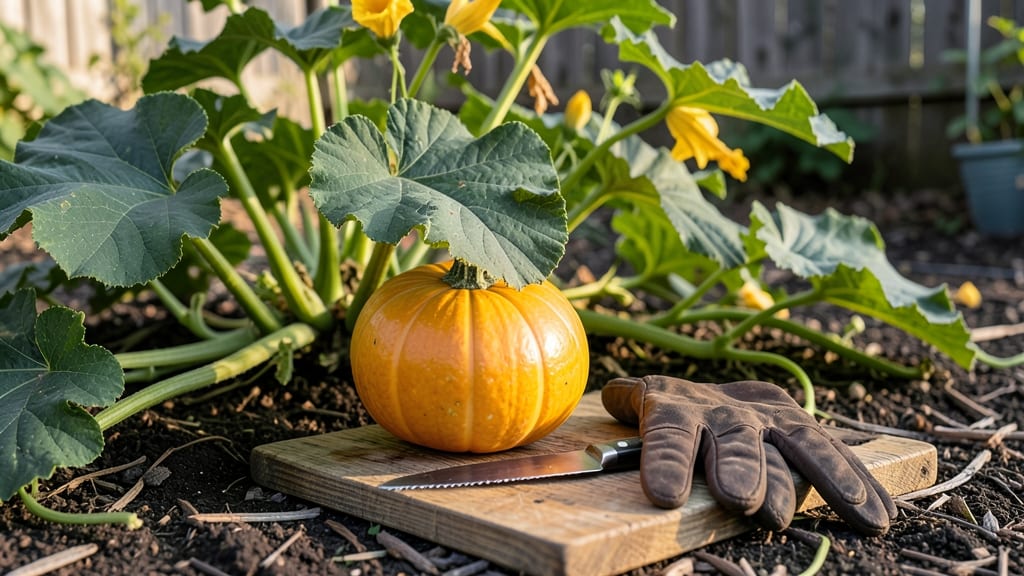
To pick honeynut squash at the perfect moment, watch for a tan skin that yields slightly when pressed 🎃 — this is your cue that sweetness peaks and storage life begins.
Harvesting too early means tough flesh and wasted effort, while waiting too long risks overripeness and shriveled flavor. The key is timing: these small, golden gems need 80-100 days from planting, but climate and soil conditions shift that window.
Below, I’ll walk you through three tactile tests—stem dryness, weight, and skin firmness—that let you confirm ripeness without damaging the fruit. These methods work whether you’re growing in Zone 6a or a container.
Master these checks, and you’ll enjoy honeynut squash at its peak: sweet, tender, and ready for storage or the table.
3 Tactile tests to determine honeynut squash ripeness without cutting
Honeynut squash thrives when harvested at the perfect moment—too soon and you’ll get watery flesh, too late and the skin toughens. The key is using your hands to test three critical ripeness indicators without damaging the fruit.
These tactile methods let you feel, not guess, when your squash is ready for the kitchen or storage.
Unlike larger winter squash, honeynuts stay small (about 4-6 inches long) and change subtly as they ripen. Their golden-beige skin and dense texture make them ideal for roasting, but only when picked at peak maturity. Master these tests to ensure your harvest delivers maximum sweetness and storage potential.
🌱
Press gently near the stem—ripe skin should feel firm but not rock-hard. Overripe squash will have wrinkled skin.
Grasp the stem near the fruit—it should pull away cleanly with a slight crack. A stubborn stem means immature squash.
Tap the squash—ripe seeds will rattle loudly inside. A dull thud means underripe flesh.
Start with the skin firmness test—this is your first clue. Unripe honeynut squash has soft, green skin that yields slightly under pressure, while overripe examples develop dry, papery texture. Aim for a smooth, taut surface with a slight sheen, indicating peak sugar content.
Next, perform the stem separation test to avoid bruising. Use your thumb and forefinger to pinch the stem 1 inch from the fruit. A ripe honeynut will release easily, while an unripe one will resist. This test also prevents stem-end rot, a common issue with forced harvests.
For the final check, try the seed development test. Hold the squash in one hand and tap it firmly with your knuckles. Ripe seeds create a loud, hollow rattle—like a tiny maraca. If the sound is muffled, the squash needs 1-2 more weeks on the vine.
Combine these tests with visual cues: ripe honeynuts turn from greenish-yellow to tan-beige, and their size stabilizes at 4-6 inches. Avoid harvesting when vines show yellowing leaves—this signals the plant is redirecting energy to seed production, not fruit sweetness.
Pro tip: Harvest in the morning after dew dries to minimize bruising. Use a sharp pruning shear to cut stems 1 inch above the fruit, leaving a small stem cap to extend shelf life. Store in a cool, dry place (50-55°F) for up to 3 months.
🎃
Honeynut squash ripeness stages: what to expect by week and season
Understanding the week-by-week development of honeynut squash helps you predict harvest times accurately. These squash typically mature between 80-100 days after transplanting, but exact timing depends on your climate zone and growing conditions.
In cooler regions like USDA Zone 6a, expect a slightly longer maturation period compared to warmer southern climates.
Spring-planted honeynut squash usually reaches harvest readiness by late September, while fall plantings may extend into October or November before frost sets in. Container-grown squash often ripen 1-2 weeks earlier than in-ground varieties due to faster heat absorption from the pots.
Always monitor your plants closely, as seasonal temperature shifts can accelerate or delay ripening.
📋 Honeynut Squash Ripeness Timeline
For spring planting in Zone 6a, aim to harvest between late September and mid-October when daytime highs average 70°F. If you planted in early June for a fall crop, watch for color changes starting in early August—these squash mature faster due to summer heat.
In container gardens, honeynut squash often ripen 5-7 days ahead of in-ground plants because pots absorb and retain more heat.
Adjust your harvest timing based on stem separation—the most reliable indicator. When the stem snaps cleanly at the base (rather than tearing), your squash is ready. This test works best in morning hours when stems are firmest.
If your region experiences early frosts, prioritize harvesting when the skin turns tan with green stripes rather than waiting for full beige color.
Remember that container-grown squash may need slightly earlier harvesting than in-ground varieties, especially in hot climates where they can overripen quickly. Always check for heavy weight—a ripe honeynut squash should feel dense for its size. This density indicates proper water uptake and sweet flesh development.
🌱