
Picking
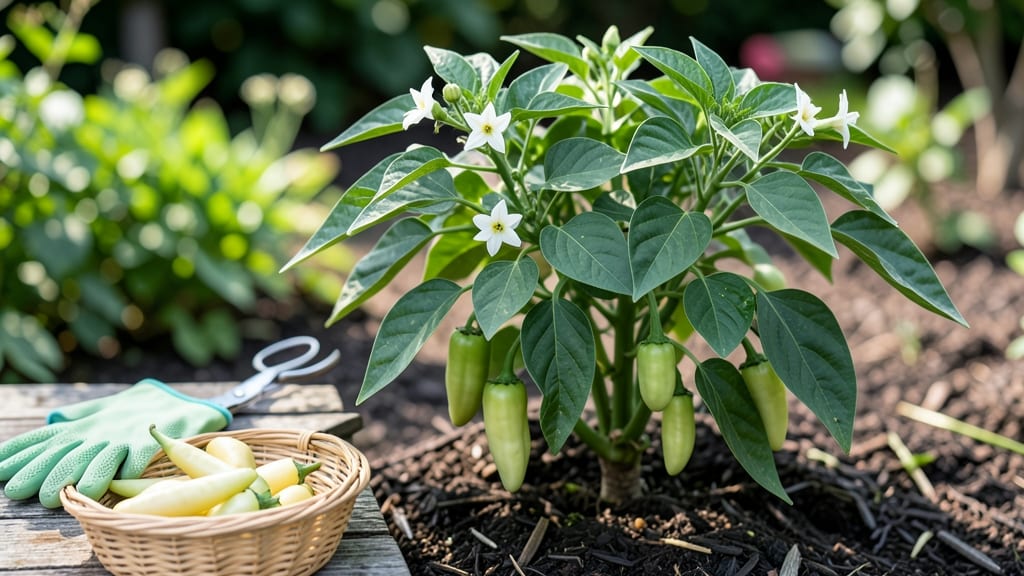
Knowing the banana pepper harvest time is the difference between a pepper so mild it’s almost boring and one that packs just the right crunch and subtle heat you crave.
Picture this: you’ve nurtured your 🌶️ plants all summer, and now the moment has arrived—except you’re not sure if that yellow pepper is ready or still needs time.
The good news? Banana peppers give clear signals when they’re perfect for picking, and missing these cues means losing flavor and spice potential.
In Zone 6, where most of us grow these golden gems, harvest season stretches from July through October—but timing matters more than the calendar. Too early, and you’ll get bland, underdeveloped peppers; too late, and they’ll turn rubbery or overly spicy.
Here’s how to spot the 3 key stages of ripeness so you never guess again.
You’ll learn how color shifts from green to yellow to red affect heat levels, the simple firmness test that saves you from picking too soon, and even how to store your harvest to keep those peppers crisp for weeks. Let’s get started.


Banana pepper harvest time by color: when to pick for best flavor
Banana peppers change color as they ripen, and each stage offers a unique flavor profile and spice level. Understanding these 3 color stages—green, yellow, and red—will help you decide when to harvest for optimal taste and texture. Whether you prefer mild crunch or a subtle kick, timing matters!
Green banana peppers are the least ripe and typically the mildest, with a crisp texture similar to unripe bell peppers. They’re often used in pickling or fresh snacks but lack the sweetness of their riper counterparts. If you love tangy, vinegary flavors, green peppers are your go-to.
Yellow banana peppers mark the transition phase, balancing mild heat and sweetness. Their skin softens slightly, and the flesh becomes slightly thicker, making them ideal for raw snacking or sautéing. This stage is perfect if you want a mild, fruity heat without overpowering spice.
Red banana peppers are the most mature and offer the best balance of sweetness and heat. They’re softer than green or yellow peppers but still retain a pleasant crunch. Their flavor deepens, making them perfect for stuffing, roasting, or drying.
If you prefer milder peppers, harvest them when they’re still green or yellow. For a sweeter, slightly spicier pepper, wait until they turn red. Pro tip: Harvest in the morning when peppers are firmest and most flavorful.
Color isn’t the only factor—size and firmness also play a role. Aim for peppers that are 2-4 inches long and feel firm to the touch. Overripe peppers (soft, wrinkled, or discolored) lose flavor and texture, so act quickly when they reach peak ripeness.
To adjust spice levels, you can harvest at different stages. For example, green peppers are best for pickling mixes, while red peppers shine in roasted dishes. If your plant produces too many peppers at once, prioritize harvesting the most mature ones first to encourage more fruit.
After harvesting, store banana peppers in the fridge for up to 3 weeks (green) or 4 weeks (red). For long-term storage, dry or freeze them to preserve flavor. Red peppers store longer due to their thicker skin and higher sugar content.
Regional climate affects ripening time. In hotter zones (8-10), peppers may ripen faster and turn red sooner. In cooler zones (5-7), they might stay green or yellow longer. Monitor your plants closely and adjust harvesting times accordingly.
Don’t let peppers linger on the vine too long—they’ll overripe and lose quality. A well-timed harvest ensures maximum yield and flavor, keeping your garden productive all season long. Happy harvesting!
How to check banana pepper ripeness before harvesting (5 key signs)
Banana peppers reach their peak flavor and texture when harvested at the right moment. Unlike other peppers, they don’t ripen off the vine, so timing is everything.
I’ve learned that missing these 5 key signs can lead to either underripe peppers with sharp edges or overripe ones that lose their crispness. Let’s break down exactly what to look for to ensure you’re harvesting at the perfect moment.
First, focus on the size of the pepper. Banana peppers should be between 2 to 4 inches long when ready for harvest. Smaller peppers, especially under 1.5 inches, are too young and will lack the sweet, mild flavor you’re after.
I once picked a batch too early because they looked "ready," only to discover they were bitter and tough—a mistake I won’t repeat!
Next, test the firmness of the pepper. A ripe banana pepper should feel firm to the touch, almost like a small cucumber. If it yields or feels soft when you gently squeeze it, it’s overripe.
I’ve found that overripe peppers lose their crunch and develop a mealy texture, which is disappointing after all the care you’ve put into growing them.
Pay close attention to the color consistency. Banana peppers change color as they ripen—from green to yellow, orange, or red—depending on the variety. The key is uniformity. If you see patches of green or uneven coloring, the pepper isn’t fully ripe.
For example, my ‘Golden Banana’ variety turns a bright yellow when ready, but if it’s still green-tinged, I wait a few more days.
Another telltale sign is how the stem separates from the plant. When ripe, the stem should snap easily when bent rather than tearing or feeling mushy. This indicates the pepper is mature and ready to pick.
I’ve seen gardeners struggle with stubborn peppers that won’t snap—these are often underripe or stressed, so I recommend checking other peppers on the same plant for consistency.
Finally, check the seed development if you’re unsure. Cut open a pepper to inspect the seeds—ripe banana peppers have fully formed but not shriveled seeds. If the seeds are tiny or the pepper is hollow inside, it’s not ready.
This step is especially useful for container gardeners, where space is limited, and you want to ensure every harvest is worth the effort.
Remember, banana peppers won’t ripen further once picked, so don’t rush the harvest. If you miss the window, you’ll end up with peppers that are either too sharp or too soft.
With these 5 key signs, you’ll consistently harvest banana peppers at their peak—crisp, flavorful, and perfect for pickling, stuffing, or snacking!