
How To
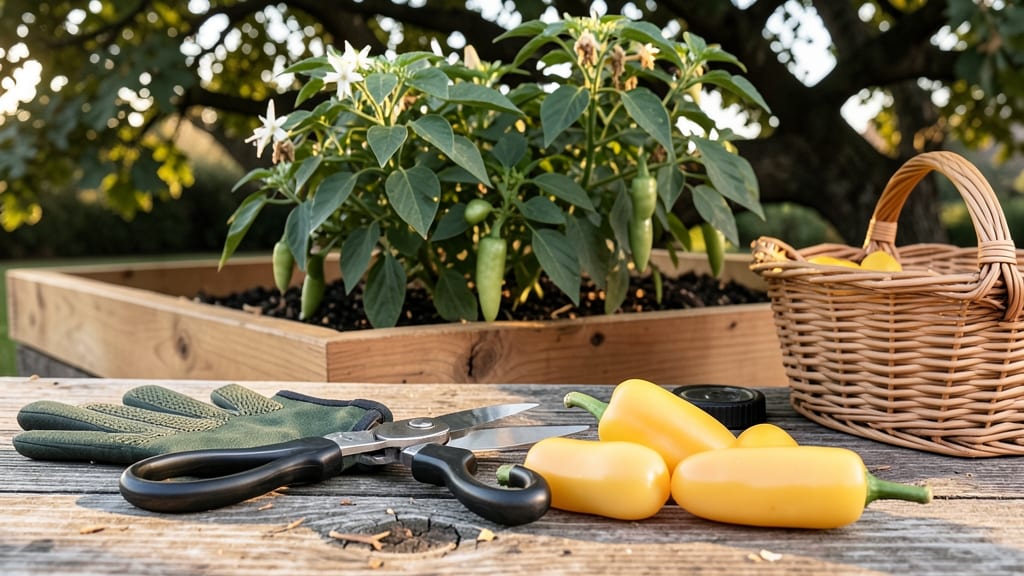
Harvesting sweet banana peppers at the right time means the difference between bursting sweetness and a disappointing bite—so knowing when they're ready is everything.
Picture this: you’ve nurtured your 🌶️ plants all summer, and now the peppers are changing color, but you’re not sure if they’re quite there yet. One wrong move, and you’ll miss the perfect window for that mild, tangy flavor everyone loves.
Most gardeners in zones like 6a should start checking ripeness in late summer, but the real secret lies in the color shift—from green to yellow or light orange—and the firmness that tells you they’re ready to pick.
Below, I’ll walk you through the exact cues to watch for, plus the common mistakes that turn great peppers into bitter ones. By the end, you’ll know exactly when to snip for the best flavor—and how to use them fresh, pickled, or preserved.

Sweet banana pepper ripeness stages by color: the perfect harvest timeline
Sweet banana peppers transform from green to yellow to red as they ripen, each stage offering distinct flavor profiles and heat levels. Understanding these color cues ensures you harvest at peak sweetness—when the sugar content is highest and the texture is crisp.
The journey from unripe to fully ripe can take 60-90 days, depending on your climate zone and growing conditions.
Harvesting too early means tart, underdeveloped peppers with bitter undertones, while waiting too long results in overripe, leathery pods with intense heat. The sweet spot?
A 2-3 inch pepper with a slightly yielding skin and vibrant yellow-orange hue. Let’s break down each ripeness stage so you never miss the perfect moment.
🌱
| Stage | Color | Size | Firmness | Heat Level | Flavor Profile | Harvest Time |
|---|---|---|---|---|---|---|
| Immature | Bright green | Under 1.5" | Hard, crisp | None | Tart, grassy | Avoid |
| Early Ripening | Green-yellow | 1.5-2" | Firm but yielding | Mild (500 SHU) | Sweet-tart | Optional (pickling) |
| Peak Ripeness | Yellow-orange | 2-3" | Soft but not mushy | Low (1,000 SHU) | Sweet, mild heat | Prime harvest |
| Overripe | Deep red | 3"+ | Leathery, wrinkled | High (2,000+ SHU) | Bitter, intense | Avoid (unless drying) |
The immature stage (bright green, under 1.5 inches) is where most gardeners go wrong—they harvest too soon, assuming bigger means better. These peppers are hard and tart, lacking the complex sweetness that develops as they mature.
If you’re craving crunchy, fresh peppers for salads, wait until they reach the early ripening stage (green-yellow, 1.5-2 inches), where the flavor mellows and a hint of sweetness emerges.
True peak ripeness occurs at the yellow-orange stage, where peppers hit 2-3 inches in length and develop a slightly yielding texture. This is the sweet spot for fresh eating, offering a balanced sweetness with just a mild kick (1,000 SHU).
The skin should give slightly when pressed but not feel mushy or wrinkled. Twist the pepper gently—if it detaches cleanly from the
How to test banana pepper ripeness beyond color: tactile and taste cues
Color isn’t the only clue to determine if your sweet banana peppers are ready for harvest. While the shift from green to yellow-orange is a great starting point, tactile cues and taste tests are where you’ll find the real truth about ripeness.
I’ve learned the hard way—overripe peppers taste bitter, while underripe ones lack that sweet crunch we all love.
Start by checking the firmness of the pepper. A perfectly ripe banana pepper will feel firm but slightly yielding when you gently squeeze it—like a ripe avocado. If it’s rock-hard, it’s too early.
If it’s mushy, you’ve waited too long. This tactile test is especially useful when peppers are still mostly green with yellow patches, helping you avoid the bitter aftertaste of overripeness.
Next, try the snap test. Hold the pepper near the stem and gently twist. A ripe banana pepper should detach cleanly with minimal force. If it resists and feels like it’s still attached by a thread, it’s not ready.
This method works even if the color isn’t fully shifted yet—trust your hands over your eyes here.
🚨 WARNING: Harvesting Too Early or Too Late If you pick peppers that are underripe (green and hard), they’ll lack sweetness and have a hollow, papery texture. On the flip side, overripe peppers (soft, wrinkled, or fully red) develop a bitter taste and lose their crunch.
The sweet spot is when they’re 2-3 inches long with a slightly glossy skin and that perfect snap. Miss this window, and you’ll sacrifice flavor for yield quantity—but quality suffers first.
⚠️ When to Harvest Sweet Banana Peppers
Harvest when peppers are 2-3 inches long and firm but yielding to gentle pressure. The color shift from green to yellow-orange is key, but tactile cues (snap test) confirm ripeness. Avoid harvesting when peppers are hard or wrinkled—this leads to bitter, underripe or overripe flavors. Use clean pruning shears to avoid damaging the plant.
For the ultimate test, take a small taste sample. A ripe banana pepper should have a bright, slightly sweet flavor with a mild crunch. If it tastes bland or grassy, it’s not ready.
If it’s overly sweet but soft and mealy, it’s past its prime. This method is foolproof—your taste buds know best!
One common mistake I see is harvesting all peppers at once when they first change color. Instead, check your plants every 2-3 days in late summer.
Some peppers ripen faster than others, so spot-harvest for consistent flavor. This also encourages the plant to produce more peppers, giving you a longer harvest season.
Pro tip: Store freshly harvested peppers in the fridge for up to 2 weeks to preserve their sweetness. If you’re not using them immediately, pickle or dry them at peak ripeness—this locks in that perfect flavor. Now, grab those shears and start testing your peppers like a pro! 🌶️