
Picking
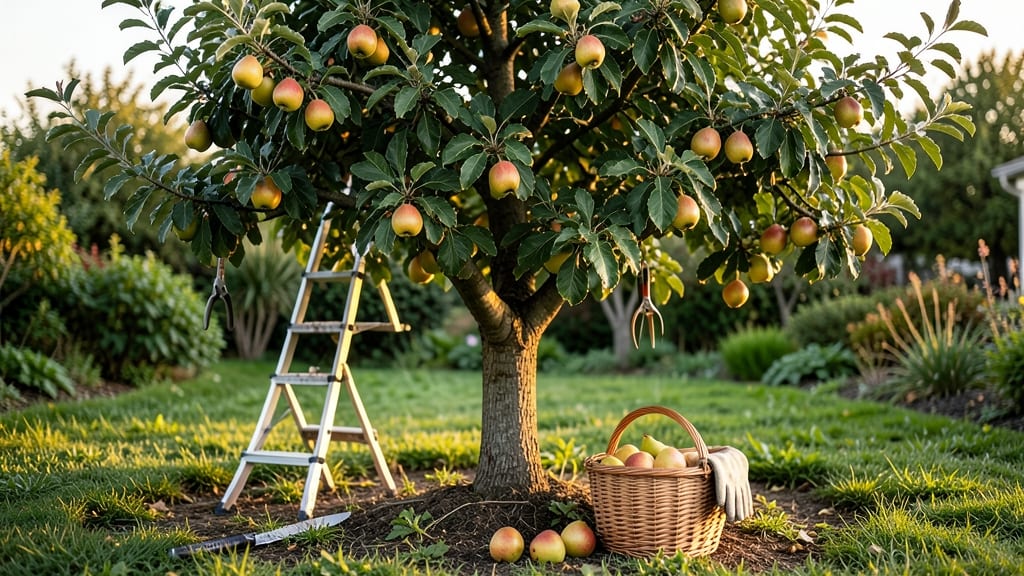
Harvesting Bartlett pears at the right time means the difference between a sweet, juicy reward and a mealy, disappointing bite.
Picture this: you’ve waited months for your 🍐 to ripen, only to pick them too early and end up with bland fruit that never softens properly.
That’s why knowing the exact Bartlett pear harvest time is so critical—it’s not just about waiting for fall, but spotting the precise moment when color, firmness, and stem separation all align.
Most Bartlett pears reach peak ripeness between late September and October, but your local climate plays a big role. In cooler zones like 6a, you might need to wait until early October, while warmer areas could see them ready as early as mid-September.
The key is watching for that telltale yellow blush and a gentle give when you press the fruit.
In this guide, I’ll walk you through the visual cues to look for, how to perform the classic "gentle give" test, and how to adjust your timeline based on your region. By the end, you’ll never second-guess whether your pears are ready—or left too long on the tree.

When to harvest Bartlett pears: color & ripeness signs
Timing your Bartlett pear harvest perfectly ensures sweet, flavorful fruit instead of mealy disappointments. These pears are one of the most popular varieties for home gardeners, but their exact harvest window depends on visual cues and environmental factors.
Unlike apples, Bartlett pears must ripen off the tree to reach peak sweetness, so knowing when to pick is crucial.
Start by watching for color changes—Bartlett pears transition from bright green to a golden yellow or light green blush. This shift signals the fruit is nearing maturity, but it’s not the only factor.
The stem separation test and fruit firmness also play critical roles in determining the ideal harvest time. Let’s break down these key indicators so you can pick your pears at their prime.
The color change is your first visual clue, but don’t rely on it alone. Bartlett pears can stay green even when ripe, especially in cooler climates. Instead, focus on the stem separation test: grasp the pear near the stem and twist gently.
If the stem snaps cleanly without resistance, the fruit is ready. This test is more reliable than color alone, especially for home gardeners in USDA zones 5–8, where temperatures fluctuate.
Firmness is another critical factor. A ripe Bartlett pear should feel firm but slightly yielding when pressed gently with your thumb. Think of it like the texture of a ripe avocado—it shouldn’t be hard or mushy.
Overripe pears lose their structure and become grainy, so timing is everything. If you press and the skin doesn’t give at all, the pear needs more time on the tree.
Environmental factors also influence harvest timing. In warmer climates (like Zone 9+), Bartlett pears may ripen earlier, sometimes as early as August. Conversely, in cooler regions (like Zone 5), you might not see color changes until October.
Pay attention to your local first frost date—Bartlett pears won’t ripen well after frost, so harvest at least 2 weeks before the expected freeze to allow for indoor ripening.
One common mistake is harvesting too early because the pears look ripe. Green, hard pears won’t ripen properly off the tree, no matter how long you store them. Wait until at least 75% of the fruit in a cluster shows color changes and passes the stem test.
This ensures a consistent harvest with minimal waste. Pro tip: harvest on a dry, sunny morning to reduce bruising and extend shelf life.
After picking, store Bartlett pears in a cool (55–65°F), humid (85–90%) environment, like a basement or unheated garage. They’ll continue ripening over 1–3 weeks, depending on how close they were to readiness at harvest.
Check them weekly—once they soften, move them to room temperature to speed up the process. With the right harvest timing, you’ll enjoy pears that are sweet, juicy, and perfect for fresh eating, baking, or canning.
Remember, Bartlett pears are climacteric fruit, meaning they ripen best after harvest. By mastering these visual and physical cues, you’ll avoid the disappointment of mealy pears and enjoy a bountiful harvest year after year. Happy picking! 🍐
The gentle give test: how to physically check pear ripeness
When checking Bartlett pear ripeness, the gentle give test is your best friend. This simple method helps you avoid harvesting too early (when pears are hard and underripe) or too late (when they become mushy).
The key is finding that perfect balance between firmness and slight yielding—like pressing a ripe avocado.
Start by selecting a pear that’s already showing some color change from green to yellow or blush tones. Avoid testing pears that are still fully green or already have dark spots, as these indicate underripeness or overripeness.
The gentle give test works best on medium-sized fruit that’s fully developed in shape.
🚨 ⚠️ callout-warning ⚠️
If a pear feels too soft or leaves an indentation when pressed, it’s past its prime. Overripe Bartlett pears develop a mealy texture and lose their sweet flavor. Harvesting too late also means fruit may drop prematurely, wasting your hard work.
Pro Tip: Test 2-3 pears per cluster to account for natural size variations. If most pass the test, it’s time to harvest!
Gently grasp the pear between your thumb and forefinger, then apply light pressure toward the stem end. A ripe Bartlett pear should yield slightly—like pressing a ripe peach—but still feel firm.
Think of it as the resistance of a well-inflated balloon. If the pear doesn’t give at all, it’s not ready yet.
Common mistakes include pressing too hard (which can bruise the fruit) or testing pears that are still attached by a green stem. The stem should separate cleanly from the fruit when twisted gently—this is another sign of ripeness.
If the stem snaps off but leaves a green "cap," the pear needs more time on the tree.
For dwarf Bartlett trees or container-grown pears, the gentle give test is even more critical. Smaller trees produce fruit that ripens faster, so check pears every 3-5 days during peak harvest season (late summer to early fall).
In cooler climates, pears may take longer to ripen, so monitor temperature trends and adjust your testing schedule accordingly.
Once you’ve mastered the gentle give test, you’ll never second-guess your Bartlett pear harvest time again. The secret lies in patience—wait for that perfect moment when the fruit yields just enough to promise sweet, juicy perfection. Happy harvesting! 🍐