
Picking
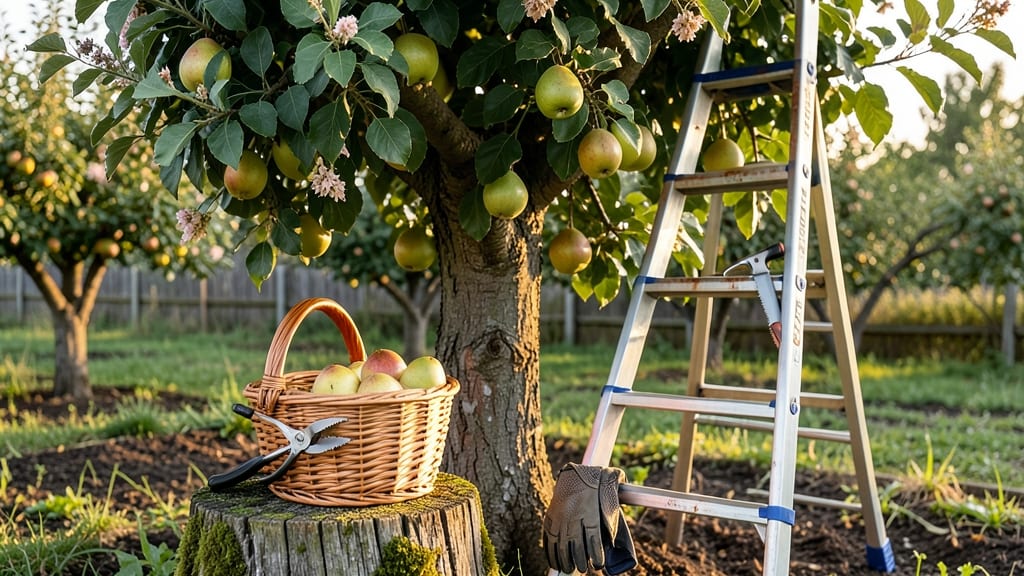
Harvesting pears at the right time during pear harvest season transforms your tree into a sweet, flavor-packed treasure chest—yet many gardeners miss the window, ending up with bland or mealy fruit.
Picture this: you’ve waited months for your 🍐 to ripen, only to pick them too soon and watch them spoil before they ever reach their full potential.
The difference between a disappointing harvest and one that keeps you in fresh pears through winter often comes down to knowing exactly when to pluck them.
In this guide, I’ll break down the key signs of ripeness—from color shifts to the telltale "twist-and-release" test—and how regional climate affects your timing. Whether you’re growing Bartletts in Zone 6a or Asian pears in warmer areas, these tips ensure your harvest is always at its peak.
You’ll also discover how to store your pears for maximum freshness, whether you’re planning to eat them fresh, bake them into pies, or preserve them for later. Let’s get started!


When to harvest pears for peak sweetness and storage potential
Harvesting pears at the right moment transforms ordinary fruit into a sweet, flavorful treasure that stores beautifully through winter. Unlike apples, pears never ripen on the tree—they must be picked at the perfect stage of maturity and allowed to ripen off the tree.
The key lies in understanding variety-specific cues and adjusting for your local climate to avoid common mistakes like harvesting too early (mealy texture) or too late (rotting).
For most pear varieties, the harvest window typically falls between late summer and early fall, but exact timing depends on factors like sun exposure, temperature fluctuations, and even soil moisture.
In warmer climates, pears may ripen earlier, while cooler regions often experience a delayed harvest. Understanding these variables ensures you don’t miss the optimal sweetness window or risk fruit spoilage.
Color isn’t the only indicator—pear ripeness involves a combination of skin texture, stem separation, and even the fruit’s scent. For example, Bartlett pears develop a golden-yellow hue and release a sweet fragrance when ready, while Bosc pears maintain their green skin but soften noticeably. Ignoring these signals often leads to pears that lack flavor or spoil prematurely.
Regional adjustments are critical. Gardeners in USDA Zones 5-7 (like the Midwest or Northeast) may harvest as late as October, while those in Zones 8-10 (Southern states or coastal areas) might begin picking as early as August.
Even within the same zone, microclimates—such as urban heat islands or mountain valleys—can shift the harvest window by 2-4 weeks.
Here’s the science behind ripeness: Pears produce ethylene gas as they mature, which softens the flesh and intensifies sweetness. When picked too early, this process halts, leaving you with a hard, bland fruit. Conversely, leaving pears too long on the tree can lead to overripening and rot, especially in humid conditions. The goal is to harvest when the fruit is physiologically mature but still firm enough to ripen off the tree.
| Variety | Harvest Season | Color at Harvest | Stem Separation | Flesh Firmness |
|---|---|---|---|---|
| Bartlett | Late August–September | Golden-yellow | Twists easily | Firm but yields slightly |
| Bosc | September–October | Green (may blush) | Separates cleanly | Firm with slight give |
| Anjou | Late September–October | Green-yellow | Twists with gentle pull | Firm, no soft spots |
| Asian (e.g., Hosui) | August–September | Green (stays firm) | Separates easily | Crisp, firm texture |
| Regional Adjustment | ±2–4 weeks | Varies by climate | Always test | Avoid overripening |
Let’s break down the three key indicators to determine when pears are ready for harvest. First, examine the skin color.
For Bartlett pears, this means a uniform golden-yellow hue with no lingering green near the stem. Bosc and Anjou pears, however, may retain their green skin but will develop a waxy sheen when ripe. Asian pears, like Hosui, stay green but become slightly translucent when ready.
Next, test the stem separation. Gently grasp the pear near the stem and twist it slightly. If it detaches cleanly with minimal force, it’s ready. If the stem resists or breaks off, wait 3-5 more days.
This test is especially critical for Bartlett pears, which can overripen quickly in warm weather. Pro tip: Use a fruit lever or small pruners to avoid damaging the tree.
The flesh firmness test is often overlooked but crucial. Press your thumbnail gently into the pear’s skin—it should yield slightly but not feel mushy. Overripe pears will have soft spots or a mealy texture when cut open.
For Asian pears, the flesh should remain crisp and firm even when ripe, as they’re harvested earlier than other varieties
How to test pears for ripeness before picking (and what happens if you wait too long)
Testing pears for ripeness is an art that balances patience and precision. Unlike many fruits that ripen on the vine, pears often need time off the tree to develop their full sweetness and texture.
I’ve learned the hard way that picking too early results in bland, mealy fruit, while waiting too long can mean rotten pears still clinging to the branches. The key is understanding the subtle cues your tree provides.
Start by examining the pear’s skin color. Most varieties develop a rich hue—think deep yellow for Bartletts, reddish blush for Bosc, or golden tones for Anjou.
However, color alone isn’t enough; you’ll also need to check for stem separation and flesh firmness. These three factors combined give you the clearest picture of ripeness.
⚠️ Critical Harvest Window for Pears
Pears in pear harvest season (typically August-October in most regions) must be picked at the right moment. Harvesting too early leads to mealy texture, while waiting too long causes rotting on the tree. Most varieties ripen 1-3 weeks after picking, so don’t wait until they’re soft on the branch!
Gently grasp the pear near its stem and give it a slight twist. If it separates cleanly from the branch, it’s ready. If the stem resists or tears, the pear needs more time.
This test is non-negotiable—forcefully pulling pears can damage the tree and leave fruit vulnerable to disease. I always use this method to avoid overripe or underripe pears.
Next, press the pear’s flesh gently with your thumb. A ripe pear will yield slightly but still feel firm—think of the give in a ripe avocado. If it feels rock-hard, it’s not ready.
Overripe pears, on the other hand, will feel mushy and may even ooze juice when pressed. This is your cue to harvest and ripen them indoors if needed.
Don’t overlook the scent test. A ripe pear emits a sweet, fragrant aroma near its stem. Sniff carefully—if you catch a whiff of that natural sweetness, the pear is likely ready.
This is especially useful for varieties like Asian pears, which may not change color dramatically. I’ve found that combining scent with the other tests gives the most accurate results.
If you miss the harvest window, all isn’t lost. Pears can ripen off the tree at room temperature in a paper bag with an apple or banana (the ethylene gas speeds up ripening). Place the pears in the bag and check them daily.
Within 3-7 days, they should reach peak ripeness. Just be sure to refrigerate them afterward to slow further ripening and extend shelf life.
Remember, every pear variety has its own timeline. Bartletts, for example, ripen earlier than Bosc pears, so adjust your testing methods accordingly. With practice, you’ll develop an eye for the perfect moment—turning your pear tree into a year-round source of delicious fruit. Happy harvesting! 🍐