
How To
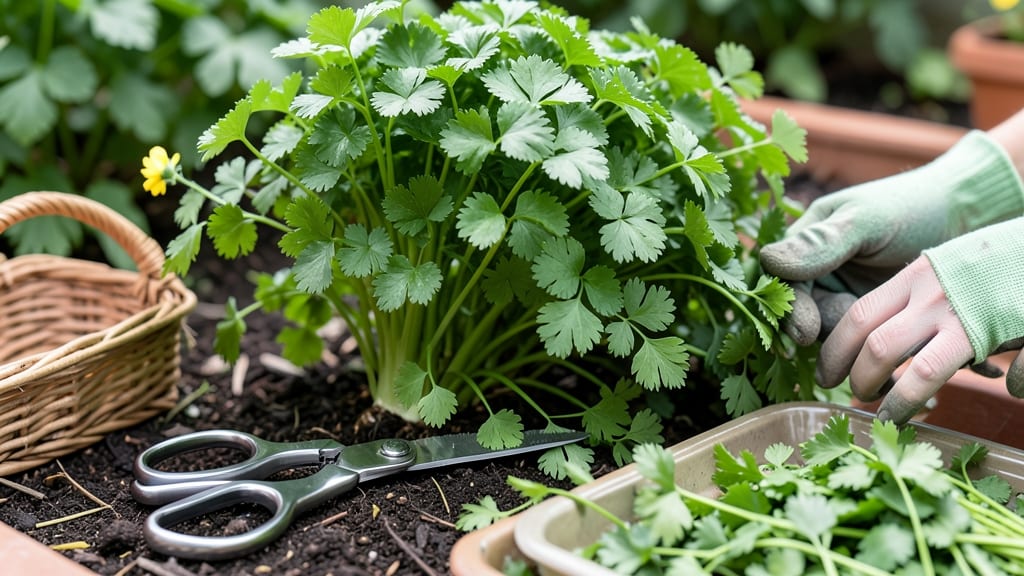
Harvesting parsley the best way ensures you get flavorful leaves while keeping your plant thriving 🌿—and it’s easier than you think.
Imagine reaching for your favorite recipe and realizing your parsley is wilted or bitter because you cut it at the wrong time. That’s why timing and technique matter more than you’d expect. A few simple steps can turn your harvest from disappointing to downright abundant.
You don’t need to pull every leaf at once—just focus on the outer stems. This keeps the center growing strong while giving you fresh herbs whenever you need them. Plus, I’ll show you how to spot the perfect moment to cut, so you never sacrifice flavor or future growth.
Ready to master the art? You’ll learn when to harvest, what tools to use, and how to store your bounty so it stays fresh longer. Let’s get started!

When and how to harvest parsley for maximum flavor and regrowth
Timing your parsley harvest is everything—cut too early, and you’ll miss peak flavor; wait too long, and the plant may bolt or lose vigor. The best time to harvest parsley is when leaves reach 4-6 inches tall and have a deep green color.
This usually happens 75-90 days after sowing, depending on your climate and growing conditions. Early morning harvests yield the freshest leaves, as moisture levels are highest and flavors are most concentrated.
Parsley is a biennial herb, meaning it grows leaves in its first year and flowers in the second. To maximize regrowth, always harvest before flowering, which typically occurs in late spring or early summer.
Flowering signals the end of its productive leaf phase, so cutting stems just as buds begin to form ensures you get the most flavorful leaves while encouraging the plant to stay bushy and productive for longer.
Here’s a quick reference for the ideal harvest window and key visual cues to look for when deciding it’s time to cut your parsley:
| Stage | Leaf Size | Stem Condition | Best Action |
|---|---|---|---|
| Early Growth | 2-4 inches | Soft, flexible | Avoid harvesting; let mature |
| Prime Harvest | 4-6 inches | Firm, upright | Harvest outer stems |
| Pre-Flowering | 6+ inches | Stiff, woody | Harvest aggressively; prevent bolting |
| Post-Flowering | Yellowing | Brittle | Stop harvesting; remove plant |
When harvesting, focus on the outer leaves and stems first. This method encourages the plant to produce new growth from the center. Use a clean, sharp pair of scissors or pruning shears to make cuts just above a leaf node—this is where new shoots will sprout.
Avoid cutting into the main stem or you risk damaging the plant’s ability to regrow.
Seasonal variations also play a role in parsley’s flavor and regrowth. In spring and fall, when temperatures are cooler, parsley grows more slowly but develops richer flavors. Harvest lightly during these seasons to avoid stressing the plant.
In summer’s heat, parsley may bolt faster, so prioritize harvesting stems with flower buds to redirect energy back into leaf production.
For flat-leaf parsley, which is more tender and flavorful, you can harvest individual leaves as needed. However, curly parsley tends to be hardier and is better harvested in larger batches.
In both cases, never remove more than one-third of the plant’s foliage at once, or you’ll stunt its ability to recover and regrow.
After harvesting, rinse the stems under cool water to remove dirt and debris, then pat dry with a clean towel. Store parsley in the refrigerator’s crisper drawer, wrapped in a damp paper towel, to preserve freshness for up to 10 days.
For longer storage, consider freezing chopped parsley in ice cube trays or drying it in a well-ventilated area away from direct sunlight.
Encouraging regrowth after harvest is simple: keep the soil consistently moist (but not soggy) and fertilize lightly with a balanced 5-10-10 fertilizer every 4-6 weeks during the growing season.
Mulching around the base of the plant helps retain moisture and suppress weeds, creating an ideal environment for parsley to bounce back with fresh, flavorful leaves.
Remember, parsley is a slow grower compared to other herbs, so patience pays off. By following these harvesting guidelines, you’ll enjoy a steady supply of fresh parsley all season long—whether you’re using it in soups, garnishes, or homemade herbal remedies.
Step-by-step parsley harvesting techniques to avoid common mistakes
Harvesting parsley correctly is an art that balances leaf quality and plant health. Whether you're growing flat-leaf or curly parsley, the right technique ensures your herb stays flavorful and keeps producing. The key lies in when you cut and how you handle the stems afterward.
Timing matters most—wait until your parsley has at least 6-8 mature leaves per stem before harvesting. This ensures the plant has enough energy to regrow. Avoid cutting into the woody base or you’ll stunt future growth. Now, let’s dive into the best practices for a clean, stress-free harvest.
After harvesting, give your parsley plant a little extra care to encourage regrowth. Water deeply and avoid fertilizing for 1-2 weeks to let the plant recover. If you notice yellowing leaves or stunted growth, it’s a sign you’ve over-harvested—scale back and let the plant rebound.
For curly parsley, which is more delicate, harvest individual leaves rather than entire stems to avoid shocking the plant. Flat-leaf parsley, on the other hand, handles stem harvesting better and can bounce back faster. Always prioritize leaf quality over quantity to keep your parsley thriving all season.
With these techniques, you’ll enjoy a continuous harvest of fresh, flavorful parsley without sacrificing your plant’s health. Happy harvesting! 🌿