
How To
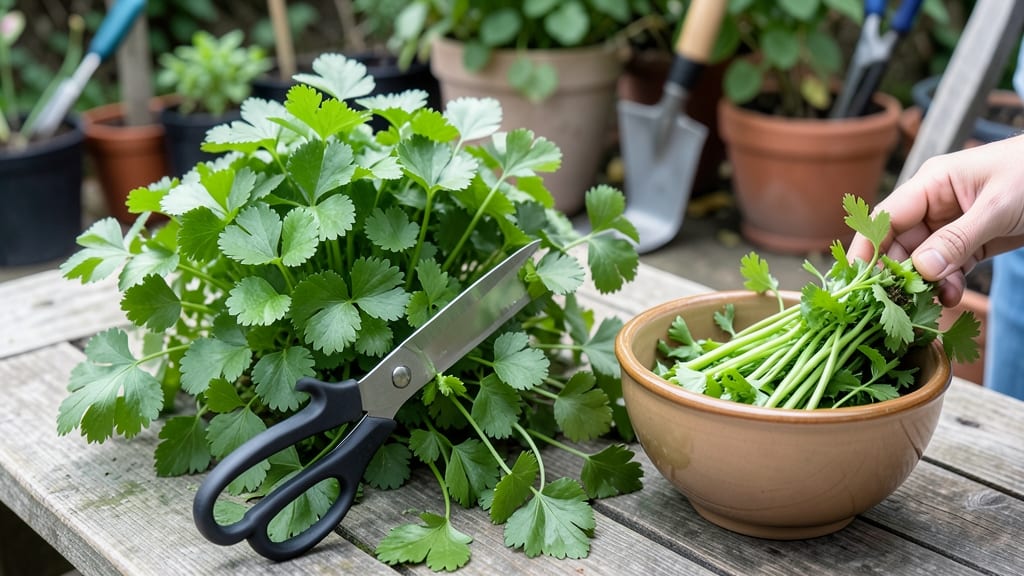
To harvest flat leaf parsley properly, focus on the outer leaves and avoid cutting more than one-third of the plant at once—this ensures your 🌿 keeps growing back lush and full.
Picture this: you’ve waited months for your parsley to mature, only to snip it all at once and watch it bolt or wilt. That’s why the cut-and-come-again method is your secret weapon—it keeps your parsley productive for months, not weeks.
Whether you’re harvesting for a recipe or just fresh garnishes, timing matters. Learn when to cut for the best flavor, which tools make the job easier, and how to revive parsley that’s looking a little tired after heavy use.
By the end of this guide, you’ll know exactly how to harvest flat leaf parsley without stunting growth, plus tips to extend your harvest well past the first frost in Zone 6a.

Step-by-step guide to harvesting flat leaf parsley for maximum regrowth
Harvesting flat leaf parsley correctly is the secret to a thriving plant that keeps producing lush, flavorful leaves all season. Unlike its curly cousin, flat leaf parsley responds beautifully to the cut-and-come-again method, encouraging bushier growth when done right.
The key is timing—wait until the plant has 6-8 mature leaves before making your first cut, and always leave at least one-third of the plant intact to fuel regrowth.
Before you grab your shears, gather the right tools: a pair of sharp pruning shears or clean kitchen scissors, a small bowl for your harvest, and a spray bottle with water to refresh wilted leaves. Avoid using dull tools, as they can crush stems and invite disease.
I like to harvest on a cool morning after the dew has dried but before the sun peaks—this keeps the leaves crisp and reduces stress on the plant.
- Step 1: Identify Mature Leaves Look for dark green, fully unfurled leaves that are at least 4-6 inches tall. These are ready for harvest while younger leaves stay behind to grow.
- Step 2: Choose the Right Stems Select outer stems (not the center) to avoid damaging the plant’s growth point. Aim for stems that are pencil-thick or thicker—thinner stems can be harvested later.
- Step 3: Make Clean Cuts Use sharp shears to cut stems at a 45-degree angle, about 1-2 inches above a leaf node. This encourages new growth from the node below.
- Step 4: Never Cut More Than 1/3 Remove no more than one-third of the plant at a time. Over-harvesting stresses the plant and can lead to leggy growth or bolted flowers.
- Step 5: Refresh and Store Immediately place harvested leaves in ice water for 10 minutes to crisp them up. Pat dry and store in a perforated plastic bag in the fridge for up to 10 days.
- Step 6: Fertilize After Harvesting After cutting, feed the plant with a balanced fertilizer (5-10-10) to replenish nutrients. Water deeply to help recovery.
Timing your harvests is crucial for continuous production. In spring and fall, you can harvest every 2-3 weeks as the plant grows vigorously. During summer heat, reduce harvesting frequency to every 3-4 weeks to avoid shocking the plant.
I’ve found that parsley harvested in late afternoon often regrows faster because the plant has had time to recover from morning sun exposure.
One common mistake is cutting too close to the base of the plant, which removes the growing point and stunts future harvests. Always leave at least 2-3 inches of stem above the soil to ensure new shoots emerge.
If you accidentally cut too low, don’t panic—simply prune back any flower stalks and focus on encouraging leafy regrowth with consistent watering and light fertilization.
To encourage bushier growth, pinch off any flower buds as soon as they appear. Allowing parsley to bolt (send up a tall flower stalk) diverts energy away from leaf production.
I like to use my fingers to gently squeeze off buds before they open, which also gives me a bonus harvest of tender flower stems for garnishes. Regular pinching keeps the plant compact and productive for months.
If your parsley starts looking leggy or sparse after harvesting, it’s time to give it a rejuvenation trim. Cut back the entire plant by half its height to encourage new growth from the base.
This works best in early spring or after a heatwave. Just be patient—it may take 3-4 weeks for the plant to bounce back, but the result is a fuller, more vigorous bush.
For container-grown parsley, the same rules apply, but be extra mindful of root space. Since pots have limited room, avoid harvesting more than one-quarter of the plant at a time.
I’ve had great success growing parsley in 12-inch pots with a well-draining potting mix, keeping it near an east-facing window for gentle morning light.
Pro tip: Mark your harvest calendar with the dates you cut your parsley. This helps you track regrowth patterns and adjust your schedule for year-round harvests. With the right technique, my flat leaf parsley has produced continuous harvests for up to 6 months
Remember, the goal is to balance harvest and regrowth. When done correctly, your parsley will reward you with abundant, flavorful leaves all season long—no need for store-bought bundles. Happy harvesting! 🌿✂️🌱
Best practices for year-round parsley harvesting: seasonal tips and common mistakes
Parsley thrives in cooler seasons, but with the right techniques, you can harvest fresh leaves year-round. Spring and fall offer ideal conditions, while winter requires extra care to protect your plants. Understanding these seasonal differences ensures continuous harvests without stressing your parsley.
In spring, parsley grows rapidly with longer daylight. Focus on regular harvesting to encourage bushier growth. By late summer, heat stress slows production, so reduce harvesting frequency. Winter harvesting demands indoor relocation or protective measures to keep your plants alive.
⚠️ callout-warning ⚠️
Never trim more than 1/3 of the plant at once, especially near the growing point. This stunts regrowth and can kill your parsley. Instead, snip outer stems at a 45-degree angle, leaving at least 2-3 inches of growth.
Pro Tip: Use clean, sharp scissors or pruners to avoid crushing stems.
For outdoor harvesting, spring and fall are peak seasons. In spring, start harvesting when leaves reach 4-6 inches tall. In fall, continue until temperatures drop below 40°F. If frost threatens, harvest all remaining leaves and move potted parsley indoors for winter storage.
Indoor regrowth strategies work best with bright indirect light and consistent moisture. Place your parsley near an east-facing window and water when the top inch of soil feels dry. Reduce fertilizer use in winter to prevent salt buildup in potting mix.
Common mistakes include over-harvesting in summer heat or ignoring dormancy signs in winter. Leggy growth signals stress—prune back by 1/3 and increase light exposure. Yellow leaves often mean overwatering; let soil dry slightly between waterings.
With these seasonal adjustments, your parsley will stay productive from spring blooms to winter survival. Always prioritize plant health over quantity to enjoy fresh parsley year after year. 🌿