
Vegetables
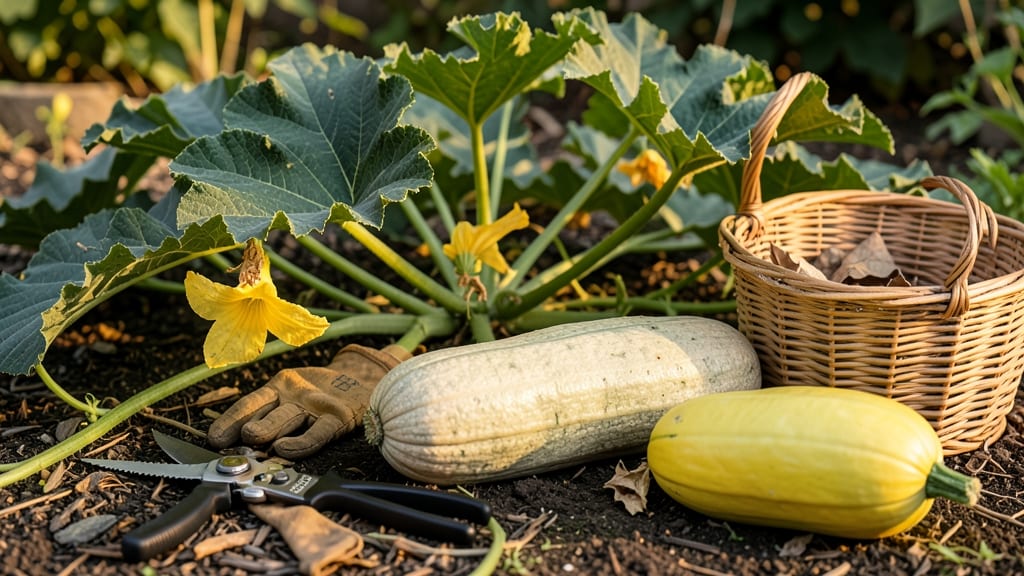
Harvesting spaghetti squash at the right time turns tough, dry strands into tender, noodle-like perfection 🎃 — and missing the window can mean wasted effort.
Picture this: you’ve spent months nurturing your spaghetti squash, only to slice into one that’s still hard as a rock or so overripe it falls apart. The difference between a delicious harvest and a disappointing one often comes down to timing.
Knowing when to pick—based on color, texture, and even the sound of the fruit—can save you from frustration and ensure your squash shines in every dish.
In this guide, I’ll walk you through the three key visual cues that signal your spaghetti squash is ready, plus how to test for ripeness before cutting it open.
Whether you’re a first-time gardener or a seasoned pro, these tips will help you time your harvest for maximum flavor and texture.
You’ll also learn how to store your squash properly after harvest, so it stays fresh longer and keeps tasting great. Let’s get started!
3 Visual signs your spaghetti squash is ready to harvest
Harvesting your spaghetti squash at the perfect moment transforms it from a tough, unappetizing gourd into a delicate, noodle-like delicacy. The key? Watching for three visual cues that signal peak ripeness. Ignoring these signs often leads to overripe squash with stringy flesh or underripe ones that never soften properly.
Let’s break down what to look for so you can enjoy that tender texture we all crave.
First, pay close attention to the rind color. Unlike other winter squash, spaghetti squash starts with a bright green exterior that gradually shifts to a dull yellow when fully mature.
This color change isn’t just about aesthetics—it’s a clear indicator that the starches inside have converted into those coveted noodle-like strands. If you see patches of orange or brown, it might be past its prime, leading to a bitter taste.
Don’t overlook the stem and vine condition, either. When it’s time to harvest, the vines will start to yellow and crisp up, almost like dried paper. This is nature’s way of telling you the plant has redirected its energy to the fruit.
If the vines are still green and lush, your squash needs more time. Pro tip: Gently tug on a leaf—if it snaps easily, your squash is likely ready.
Look for a matte yellow color, not shiny or green. The rind should feel hard but firm, not soft or spongy. If it’s still green, wait 3–5 more days.
Healthy vines should turn brown and crispy. If they’re still green and growing, the squash isn’t ready. Check for leaf drop—this is a surefire sign the plant is focusing on the fruit.
The stem near the squash should shrink and feel woody. If it’s still soft or green, the squash needs more time. A hardened stem means the squash has stopped growing.
The size and weight of your spaghetti squash also play a crucial role. A fully ripe squash will feel heavy for its size, almost like it’s too big for its frame. Tap it gently—if it sounds dense and hollow (not echoey), it’s ready.
Avoid harvesting if it feels light or hollow, as this often means the flesh is underdeveloped and will be tough.
One common mistake gardeners make is waiting too long for the squash to grow bigger, thinking bigger equals better. But oversized spaghetti squash often means overripe flesh that’s stringy and less flavorful. Aim for a squash that’s 8–12 inches long—this is the sweet spot for both texture and taste.
If yours is larger, it might still be edible, but the strands will be less tender.
Harvesting at the right time also depends on your climate and variety. In cooler regions, spaghetti squash typically matures 85–95 days after planting, while warmer climates can extend this to 100 days.
Keep an eye on the first frost date—if it’s approaching, prioritize harvesting even if the squash isn’t perfectly ripe. You can still use it, though the texture may be slightly firmer.
Once you’ve confirmed all three visual signs, it’s time to harvest. Use a sharp pruning saw or a clean knife to cut the squash from the vine, leaving a 1–2 inch stem attached.
This helps prevent rot during storage. After harvesting, let the squash cure in a dry, shaded spot for 7–10 days to harden the skin further, which improves storage life.
Proper timing isn’t just about flavor—it’s about avoiding waste. A squash harvested too early will never soften properly, no matter how long you bake it. Conversely, one left too long on the vine risks cracking or rotting, especially in humid conditions.
By mastering these three visual cues, you’ll consistently enjoy that perfect noodle-like texture every time.
How to test spaghetti squash ripeness before harvesting
Testing your spaghetti squash for ripeness before harvesting is the secret to unlocking that perfect, tender texture we all love. Unlike other squash varieties, spaghetti squash doesn’t soften much after picking, so timing is everything. The good news?
You don’t need fancy tools—just your hands, eyes, and a little patience. I’ve learned the hard way that waiting too long means stringy, overripe squash, while harvesting too early gives you tough, unappetizing strands.
The key is combining visual cues with simple physical tests. Start by checking the rind color, which should shift from bright green to a dull, matte yellow. This change signals the squash has stopped growing and is ready for harvest.
But don’t stop there—you’ll also want to examine the vine health and perform a quick thumb press test to confirm ripeness. These steps work together to give you the most accurate picture of when to pick.
Step-by-Step Ripeness Test for Spaghetti Squash
-
Step 1: Check the Rind Color
Look for a dull yellow rind (not shiny green). Press gently—if it feels firm but not rock-hard, it’s on track. -
Step 2: Inspect the Vines
Healthy, brown and crispy vines mean the plant is redirecting energy to the fruit. Green vines = not ready yet. -
Step 3: Perform the Thumb Press Test
Press your thumb into the squash skin near the stem. If it leaves a shallow dent that bounces back slowly, it’s ripe. No dent? Wait a few days. -
Step 4: Tap for Sound
Give the squash a firm tap with your knuckles. A deep, hollow thud means it’s fully mature. A high-pitched sound = underripe. -
Step 5: Weigh It Down
Lift the squash—it should feel heavy for its size. Light squash often means it’s still filling with water and isn’t ready.
Once you’ve confirmed ripeness, decide whether to harvest for immediate use or long-term storage. Squash picked for eating right away can handle a slightly earlier harvest—just ensure the rind is mostly yellow. For storage, wait until the vines are completely dead and the squash is fully mature.
This ensures maximum shelf life, which can last 2–3 months in a cool, dry place like a garage or basement.
If you’re unsure whether your squash is ready, err on the side of waiting. Overripe spaghetti squash becomes stringy and watery, while underripe squash stays tough and unpalatable.
Keep an eye on your plants, and don’t hesitate to test a few squash—you’ll quickly develop a feel for the perfect harvest moment. The more you practice, the easier it gets, and soon you’ll be harvesting squash that’s perfectly tender every time.
After harvesting, cure your squash for 10–14 days in a warm, dry spot (around 80°F) to thicken the skin and improve storage life. This simple step makes all the difference in keeping your squash fresh until you’re ready to cook it up.
With these tests and tips, you’ll never second-guess your harvest timing again!