
Vegetables
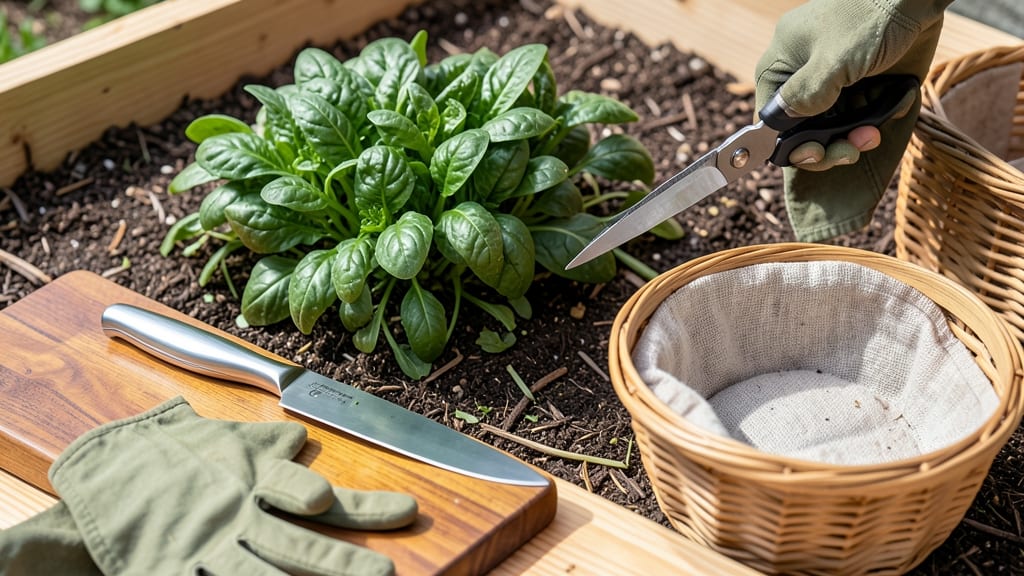
Harvesting spinach the best way ensures tender leaves and a plant that keeps producing all season long—no replanting required.
Want fresh spinach all season long without replanting? Mastering the cut-and-come-again method transforms your harvest from seasonal to year-round abundance—here’s how to do it right.
This approach isn’t just about picking leaves; it’s about timing, technique, and care that keeps your 🍃 spinach thriving. Learn when to harvest for maximum yield, which leaves to cut (and which to leave behind), and how to avoid common mistakes that stunt regrowth.
By the end, you’ll have a foolproof system for harvesting spinach that’s faster, easier, and delivers a steady supply of homegrown greens—whether you’re in Zone 6a or beyond.

How to use the cut-and-come-again method for maximum spinach yield
The cut-and-come-again method is my secret weapon for turning a single spinach planting into a never-ending harvest. Instead of pulling the whole plant when it matures, you carefully snip the outer leaves while leaving the inner growth intact.
This technique works best with baby leaf varieties like 'Baby's Leaf Hybrid' or 'Tyee,' which are bred for this exact purpose.
Why does this method work so well? Spinach is a cut-and-come-again crop that regenerates from its base when given proper care. By harvesting strategically, you can extend your harvest by 4-6 weeks or even longer in cool climates.
The key is patience and precision—over-harvesting can shock the plant, while proper technique keeps it producing like a machine.
Before you begin, gather your tools: a pair of sharp pruning shears or clean scissors (to avoid tearing leaves), a small bucket of water (to rinse harvested leaves), and a garden journal to track regrowth. Work on a cool morning when leaves are crisp and hydrated for the cleanest cuts.
Step-by-Step: Best Way to Harvest Spinach
- 1 Identify mature outer leaves – Look for leaves that are 4-6 inches long and fully developed. These are your first targets, as they won't regrow as quickly as inner leaves.
- 2 Make clean cuts at the base – Using your shears, cut the leaf 1/2 inch above the soil line. Avoid tearing—this prevents disease entry points and helps the plant heal faster.
- 3 Leave the center intact – Never remove more than 1/3 of the plant's leaves at once. The inner leaves (still 2-3 inches long) will become your next harvest, so protect them like gold.
- 4 Water immediately after cutting – Give the plant 1 inch of water to help it recover. This is especially critical in hot weather, where stress can trigger bolting (flowering).
- 5 Fertilize lightly 3-5 days later – Use a balanced 10-10-10 fertilizer (1 tbsp per plant) to encourage regrowth. Avoid nitrogen-heavy fertilizers, which can make leaves too soft and prone to bolting.
- 6 Monitor for regrowth – New leaves should emerge from the center in 7-10 days. If growth slows, check for pests (like aphids) or nutrient deficiencies (yellowing leaves).
After your first harvest, you'll notice something magical: the plant starts producing smaller but more tender leaves from the center. These are perfect for baby spinach salads and can be harvested every 5-7 days if conditions are ideal.
The key to success is consistency—stick to your 1/3 rule and always leave the heart of the plant intact.
Pro tip: If your spinach starts to bolt (send up flower stalks), it's time to harvest everything at once. Bolted spinach becomes bitter, but you can still use the leaves in cooked dishes. To prevent bolting, keep plants well-watered and avoid harvesting in hot summer months when days lengthen.
For container gardeners, this method works beautifully in 5-gallon pots or larger. Just ensure your container has drainage holes and use a lightweight potting mix to prevent root stress. In ground, space plants 4-6 inches apart to give them room to regenerate.
Remember: the cut-and-come-again method rewards patience. If you rush and take too many leaves at once, your spinach will stop producing and may even die. But when done right, you'll enjoy fresh spinach for weeks—without ever replanting!
When and how often to harvest spinach for continuous growth
Timing your spinach harvest correctly is the secret to nonstop greens all season. Unlike one-and-done crops, spinach rewards the cut-and-come-again method, where you pick leaves repeatedly while letting the plant regrow.
The key lies in balancing leaf maturity with plant health—harvest too early or too often, and you stunt growth; wait too long, and you risk bolting or bitterness.
For most spinach varieties, aim to harvest when leaves reach 4-6 inches long and have fully developed but remain tender. This size ensures the leaves are flavorful yet still capable of regrowing.
In spring and fall, when temperatures are mild, you can harvest every 1-2 weeks—but adjust frequency based on how quickly your plants rebound.
5 Key Steps to Harvest Spinach for Regrowth
- 📏 Check leaf size: Harvest outer leaves at 4-6 inches while leaving inner leaves (2-3 inches) to grow.
- ✂️ Use clean shears: Cut leaves 1 inch above the base to avoid damaging the crown.
- 🌱 Leave 50% of growth: Never remove more than half the plant in one harvest.
- 💧 Water deeply post-harvest: Keep soil consistently moist for 3-5 days after cutting.
- 🌿 Fertilize lightly: Apply balanced fertilizer (10-10-10) 1 week after harvest to boost regrowth.
Spring harvests thrive with weekly cuts from late spring through early summer, while fall spinach can handle bi-weekly harvests until the first frost. Watch for bolting signs (tall stems with flowers)—this means your plant is stressed and won’t regrow well.
If you see this, stop harvesting and let it produce seeds for next season.
In hot summer months, spinach often bolts quickly, so focus on shade protection and evening harvests to avoid stressing the plant. For container-grown spinach, reduce harvest frequency to every 2-3 weeks since roots have less space to recover.
Always harvest in the morning when leaves are crispest and most flavorful.
Your spinach is ready for cutting when leaves are bright green, tender, and 4+ inches long. Avoid harvesting if leaves are yellowing, wilted, or sparse—these are signs of stress or poor regrowth conditions.
With the right timing, one spinach plant can provide continuous harvests for 6-8 weeks, making it one of the most rewarding cut-and-come-again crops.
Pro tip: Label your spinach rows by planting date to track growth stages. Early plantings may bolt faster than later ones, so adjust your harvest schedule accordingly. With practice, you’ll develop a rhythm that keeps your spinach thriving—and your kitchen stocked—all season long. 🍃