
Vegetables
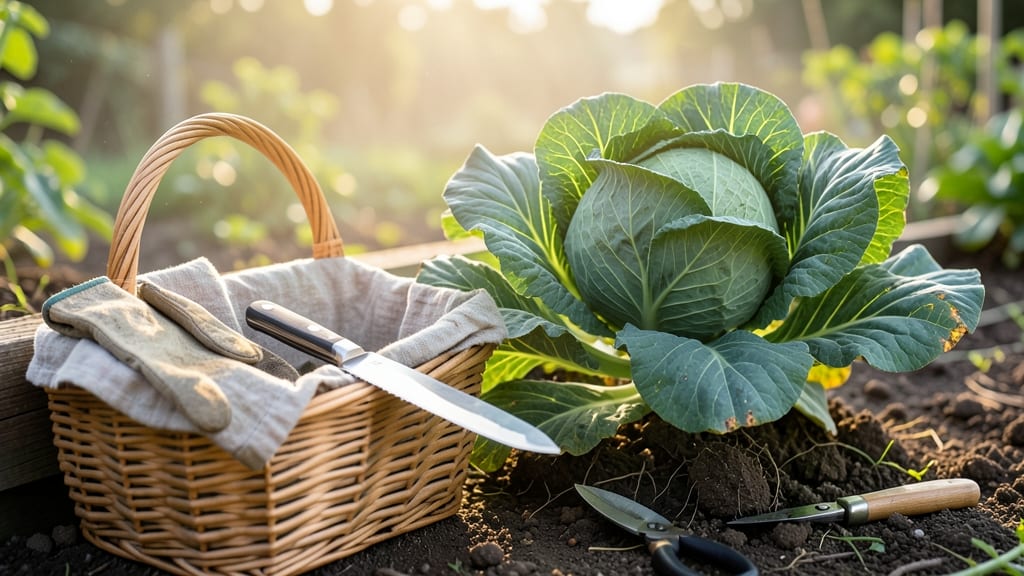
Knowing the perfect cabbage harvest time is the difference between a crisp, flavorful head of 🥬 and a bitter, loose disappointment.
Picture this: you’ve nurtured your cabbage for months, watching it grow from a tiny seedling into a sturdy plant. Now, the moment of truth arrives—when do you cut it down?
Harvest too early, and you’ll get a small, underdeveloped head. Wait too long, and you risk splitting or bolting, ruining your hard work.
Timing matters because cabbage doesn’t ripen like a tomato or cucumber. Instead, it reaches its peak when the head is firm, tightly wrapped, and vibrant in color.
In USDA Zone 6, that’s typically June–July for spring plantings or October–November for fall crops, but the real secret lies in those visual cues.
Below, I’ll walk you through how to spot a perfectly ripe cabbage, avoid common mistakes, and even extend your harvest season. By the end, you’ll know exactly when to grab your knife and enjoy that satisfying crunch.

How to determine the perfect cabbage harvest time by variety
Cabbage harvest time isn’t one-size-fits-all—each variety has its own maturity timeline and visual cues that signal readiness. Green cabbage, red cabbage, and Savoy cabbage all mature differently, while bok choy follows its own schedule.
Ignoring these differences means missing out on crisp, flavorful heads or dealing with bitter, loose leaves. Let’s break down the exact signs to watch for each type, so you never harvest too early or too late.
Start by checking the days to maturity on your seed packet—a general guide, but not the final word. Environmental factors like temperature and sunlight can shift your harvest window by weeks. For example, cool spring weather slows growth, while hot summer days may speed it up.
Combine packet timelines with physical maturity signs for foolproof results. The key is balancing head firmness, leaf color, and stem strength—each variety has its own ideal combo.
Here’s the visual cheat sheet you’ll need to master cabbage harvest time by variety:
| Variety | Days to Maturity | Head Size | Harvest Cues | Best Harvest Months |
|---|---|---|---|---|
| Green Cabbage | 85–120 days | 6–8 inches wide | Tight head, dark green leaves, stem snaps cleanly | June–July (spring) or October–November (fall) |
| Red Cabbage | 75–100 days | 5–7 inches wide | Deep purple/red hue, firm head, crisp leaves | May–June (spring) or September–October (fall) |
| Savoy Cabbage | 90–110 days | 8–12 inches wide | Wrinkled leaves, solid head, pale green color | July–August (spring) or October–November (fall) |
| Bok Choy | 30–50 days | 4–6 inches tall | Tender stems, bright green leaves, loose head | April–May (spring) or August–September (fall) |
For green cabbage, aim for a solid, round head that’s 6–8 inches wide. The leaves should be tightly wrapped and dark green, with no yellowing at the edges. Twist the stem gently—if it snaps cleanly, it’s ready.
Harvesting too late risks bitter flavor and split heads, while harvesting too early gives you a loose, underdeveloped cabbage. Red cabbage matures faster but needs that vibrant purple-red color—harvest when the head is firm and the color is deep and uniform.
Savoy cabbage stands out with its wrinkled leaves, but the harvest rules are similar: wait until the head is firm and fully formed. Its pale green hue should stay consistent—no browning or wilting. Bok choy is the speedster of the bunch, ready in just 30–50 days. Look for tender stems and bright green leaves; harvest the whole plant when the leaves are loose but still crisp. Unlike other cabbages, bok choy doesn’t form a tight head, so focus on leaf tenderness instead.
Weather plays a critical role in cabbage harvest time. Cool temperatures (50–70°F) are ideal—harvest on a mild day to avoid stressing the plant. If a heatwave is forecasted, harvest early to prevent bolting (flowering prematurely).
Conversely, cold snaps can slow maturity, so adjust your timeline if temperatures drop unexpectedly. Always harvest in the morning when heads are cool and crisp, not after a hot afternoon when they may wilt.
Pro tip: Use a sharp knife or pruning shears to cut the head 1–2 inches above the base. Leave the outer leaves intact—some varieties (like Savoy) may regrow a second head if you’re gentle. For bok choy, snip the whole plant at the base.
After harvesting, store cabbages in a cool, dark place (32–40°F) with high humidity to preserve freshness for weeks. Red cabbage and Savoy hold up especially well in storage.
Don’t overlook regional variations—cabbage grows faster in cooler climates (like the Pacific Northwest) than in hot, humid regions (like the Southeast). Adjust your harvest window by 1–2 weeks based on your local climate. For example, in Zone 5, spring cabbage may be ready by
Common mistakes that ruin cabbage harvest time (and how to avoid them)
Harvesting cabbage at the wrong time can turn your hard work into disappointment—small, loose heads or bitter, split cabbages are common results of poor timing. Even experienced gardeners sometimes miss the ideal harvest window, which typically falls between 60-120 days after planting, depending on the variety.
Understanding these mistakes will help you avoid wasting your garden effort and ensure a bountiful, flavorful harvest.
One of the biggest errors is harvesting too early, often because the heads look small but promising. However, early harvesting leads to loose, underdeveloped cabbages that lack the crisp texture and rich flavor you crave. Patience is key—wait until the head is fully formed and firm to the touch.
Another frequent mistake is waiting too long, which causes the cabbage to split or develop a bitter taste, especially in hot weather.
🚨 CALLOUT WARNING 🚨
🚨 Critical Harvest Mistakes to Avoid
- Harvesting too early: Leads to small, loose heads with poor flavor.
- Ignoring head firmness: Soft or yielding heads mean underripe cabbage.
- Overlooking weather signs: Hot, dry conditions accelerate bolting and splitting.
- Storing improperly: Moisture loss or ethylene gas ruins freshness.
Pro Tip: Twist the stem gently—if it snaps cleanly, your cabbage is ready!
To avoid these pitfalls, focus on the visual and tactile cues that signal readiness. A properly mature cabbage head should be tight, firm, and dark green, with a diameter of 4-8 inches, depending on the variety. The outer leaves should also feel crisp and slightly waxy.
If you notice the head starting to loosen or the leaves yellowing, it’s already past its prime. Pay attention to the stem’s flexibility—a ready-to-harvest cabbage will snap easily when twisted.
Post-harvest care is equally important for preserving your cabbage’s freshness. After harvesting, trim the outer leaves and store the heads in a cool, dark place with high humidity, like a root cellar or refrigerator crisper drawer.
Avoid washing the cabbage before storage, as excess moisture speeds up spoilage. If you’re storing for longer than a few weeks, consider braiding or hanging the cabbage heads to keep them dry and extend shelf life.
If you’re growing multiple varieties, remember that each type has its own ideal harvest time.
For example, bok choy matures faster (around 30-50 days) and should be harvested when the leaves are still tender, while savoy cabbage takes longer (up to 100 days) and benefits from a slightly later harvest.
Always check the seed packet for variety-specific guidelines to ensure you’re harvesting at the perfect moment.
Finally, keep an eye on the weather forecast leading up to harvest. A sudden heatwave can cause cabbages to bolt prematurely, while prolonged cold may slow maturity.
If you’re in a warmer climate, consider planting cold-hardy varieties like January King or Golden Acre, which handle heat better and offer a longer harvest window. With these tips, you’ll avoid common mistakes and enjoy a crisp, flavorful cabbage harvest every time.
🌱