
Vegetables
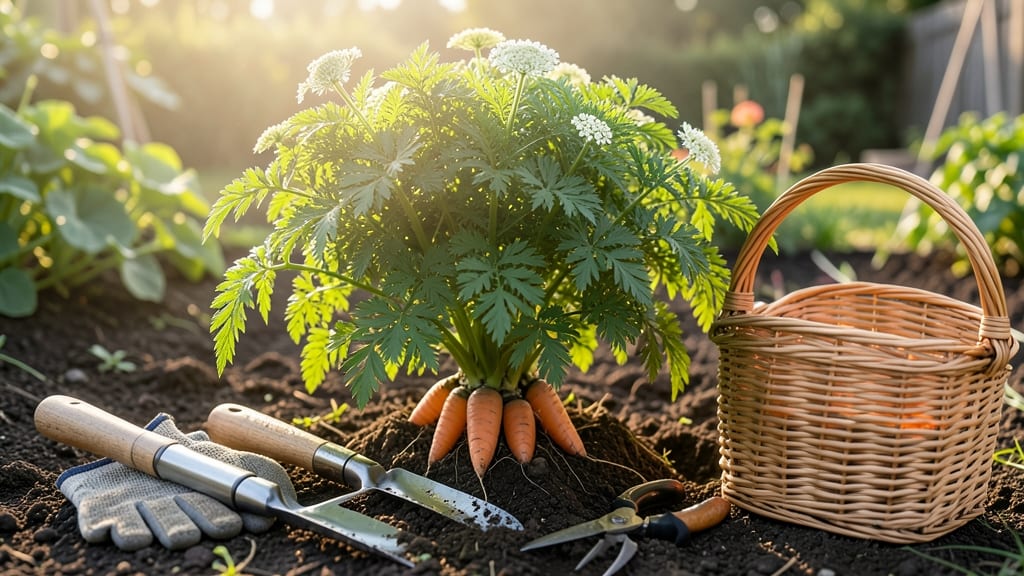
Harvesting carrots at the right time means the difference between sweet, crisp roots and tough, bitter ones—here’s when to pull them for peak flavor.
If you’ve ever bitten into a carrot that’s more like a tree branch than a vegetable, you know timing matters. The key is watching for 6-8-inch tops and roots that reach about ¾-inch thick, which usually happens 70 days after planting.
Spring-planted carrots in Zone 6a are ready by mid-summer, while fall crops should be harvested before the first frost. Soil conditions and variety also play a role—loose, well-drained soil prevents woody roots, and heirloom types may need extra time.
Below, I’ll walk you through how to check for readiness, the best tools to use, and how to store your harvest so it stays fresh longer. No more guesswork—just perfect carrots every time.

How to determine the best carrot harvest time by variety and growth stage
Timing your carrot harvest perfectly ensures you enjoy sweet, crisp roots instead of tough, fibrous ones. The best harvest time depends on variety type, days-to-maturity, and growth stage.
Short-season varieties like Nantes mature faster (around 60-70 days), while heirlooms such as Chantenay may take 80-90 days. Understanding these differences helps you avoid missing the window for peak flavor.
Carrots are ready for harvest when their roots reach 3/4-inch diameter and the tops grow to 6-8 inches tall. However, some varieties like Danvers can be harvested earlier at 1/2-inch thick for baby carrots.
Pay attention to soil conditions—too much moisture can cause splitting, while dry soil may lead to woody textures. Balancing these factors ensures a successful harvest.
| Variety | Days to Maturity | Harvest Size | Best Harvest Time | Notes |
|---|---|---|---|---|
| Nantes | 60-70 days | 3/4-1 inch | Late spring to early summer | Long, tapered roots; ideal for storage |
| Danvers | 70-80 days | 1/2-1 inch | Mid-summer to early fall | Short, stout roots; great for baby carrots |
| Chantenay | 80-90 days | 1-2 inches | Late summer to fall | Heirloom; conical shape; stores well |
| Paris Market | 50-60 days | 1/2 inch (baby) | Early summer | Round roots; harvest young for tenderness |
| Purple Haze | 70-80 days | 3/4-1 inch | Mid-summer | Heirloom; purple skin; harvest before color fades |
For short-season varieties like Paris Market, you can start harvesting as early as 50 days for baby carrots. These varieties thrive in cooler climates and are perfect for early spring plantings.
Monitor their growth closely, as they mature quickly. If you’re growing long-season heirlooms like Chantenay, wait until the roots reach 1-2 inches in diameter for the best flavor and texture.
Visual cues are your best friends when determining harvest time. Look for deep, consistent color—whether orange, purple, or yellow—and lush, healthy foliage. The leaves should be vibrant, not yellowing or wilted, which could indicate stress or overmaturity.
Gently tug on the tops; if the root resists slightly, it’s likely ready. If it pulls out easily, it may still need time to develop.
Soil conditions play a critical role in harvest timing. Loose, well-draining soil allows roots to grow straight and evenly, making them easier to harvest. If your soil is compacted or clay-heavy, carrots may develop forked or misshapen roots, which can still be harvested but may require more care.
Amend the soil with compost or sand before planting to improve drainage and encourage uniform growth.
Seasonal adjustments are key to successful harvesting. In spring plantings, aim to harvest carrots before the weather turns too hot, as extreme heat can cause them to become woody. For fall plantings, harvest before the first frost hits, typically around October 30 in most regions.
If frost is imminent, pull the carrots and store them in a cool, dark place to extend their shelf life.
Don’t wait too long to harvest, as overripe carrots lose their sweetness and develop a bitter, woody texture. If you miss the window, you can still salvage them by using them in cooked dishes, but fresh, crisp carrots are always the best.
Regularly check your plants every 5-7 days once they near maturity to catch the perfect harvest moment.
Pro tip: Use a hand fork or garden trowel to loosen the soil around the roots before pulling. This reduces damage and makes the process easier, especially for larger varieties.
After harvesting, brush off excess dirt and store them in a cool, humid environment (around 32-40°F) to maintain freshness for up to a month.
By paying attention to variety-specific timelines, growth cues, and soil conditions, you’ll consistently harvest carrots at their peak. Whether you’re growing Nantes for storage or Paris Market for quick baby carrots, timing is everything for garden-fresh flavor. Happy harvesting! 🥕
Signs your carrots are overripe (and how to fix it)
Even experienced gardeners sometimes miss the perfect carrot harvest window, leading to overripe roots that become tough and bitter. When carrots stay in the ground too long, they develop a woody texture and lose their signature sweetness.
The good news? You can still salvage them—or prevent future mistakes by adjusting your planting schedule.
Overripe carrots often show visible signs like split roots or leaves turning yellow. These changes happen when the plant focuses energy on seed production instead of root development. For spring-planted carrots, this usually occurs 85+ days after sowing, while fall varieties may overripe earlier if frost approaches.
🚨 Warning: Overripe Carrots Are Unsalvageable for Fresh Use
Once carrots develop a hard, woody core or bitter taste, they’re best used for cooking—not fresh eating. Split roots or cracked skins also signal it’s past the ideal harvest time. Act fast if you see these signs to salvage what you can!
To identify overripe carrots, check for three key indicators: a diameter larger than 1.5 inches, a hollow or fibrous center, and leaves that have browned or died back.
These signs mean the plant has shifted resources from root growth to seed production. For late-season harvests, monitor weather forecasts—fall frosts can also stress carrots, accelerating overripening.
If your carrots are already overripe, don’t toss them! Use them in soups, stews, or roasted dishes where texture matters less. For next season, adjust your planting schedule: short-season varieties like ‘Paris Market’ mature in 50-60 days, while ‘Danvers’ take 70-80 days.
Plant succession crops every 2-3 weeks to ensure a steady harvest.
Prevent overripening by harvesting regularly—aim for roots that are 3/4-inch thick and deep orange. Thin seedlings early to reduce competition, and mulch with straw or compost to maintain even moisture. For fall harvests, plant heat-tolerant varieties like ‘Solar Yellow’ and harvest before first frost to avoid stress.
Remember: Timing is everything with carrots. A sharp knife or fork makes harvest easier, and storing roots in cool, humid conditions (like a root cellar) extends their freshness. With these tips, you’ll avoid the bitter disappointment of overripe carrots and enjoy crisp, sweet roots all season! 🥕