
Planting
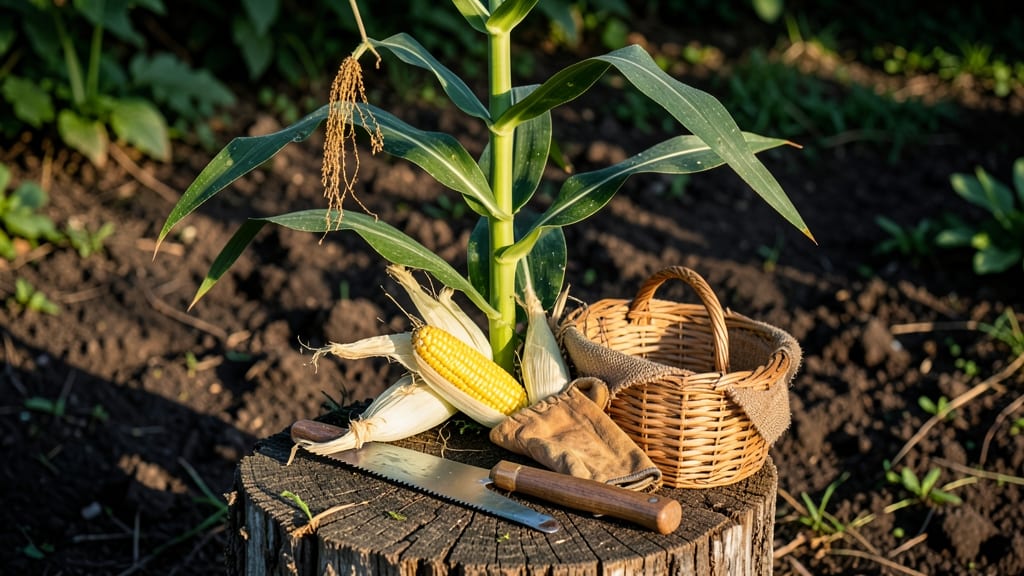
Harvesting corn from seed takes about 90 days of careful timing, and getting it right means the difference between sweet, juicy ears and tough, dry cobs.
Did you know your corn plants need exactly 90 days of precise care to reach peak harvest potential? Timing isn’t just about patience—it’s the difference between flinty kernels and sweet, plump ears ready for the cob.
Most varieties mature between 60 to 120 days, but hitting that sweet spot depends on factors like soil warmth, sunlight, and even your local frost dates. In USDA Zone 6a, planting after last frost (usually late April) sets you up for a late summer harvest.
Below, I’ll break down the exact stages of growth, how to spot when your corn is ready, and how to adjust for your region—so you never miss the window again.

The 90-Day corn growth cycle: key stages from seed to harvest
Understanding your corn's 90-day growth cycle transforms guesswork into a predictable harvest. Each stage demands specific care to ensure those sweet kernels develop properly. From the first sprouts to mature ears, timing and conditions make all the difference in achieving plump, flavorful corn.
Corn development unfolds in four distinct phases: germination, vegetative growth, reproductive stage, and maturity. Each requires tailored attention—soil warmth for sprouting, consistent moisture during tasseling, and proper nutrients for ear formation. Let’s break down what happens each week and how to optimize care for maximum yield.
Did you know? Most sweet corn varieties reach maturity in 70-90 days, but some specialty types like popcorn can take up to 120 days. The key is matching your variety to your growing season’s length.
| Stage | Days After Planting | Key Characteristics | Optimal Care |
|---|---|---|---|
| Germination | 0-14 | Seed sprouts, first leaves appear | Keep soil warm (60°F+), moist but not soggy |
| Vegetative Growth | 15-45 | Rapid leaf and stalk growth | 1-2 inches water/week, balanced fertilizer |
| Reproductive Stage | 46-70 | Tassels emerge, silks appear | Increase water to 2 inches/week, potassium-rich feed |
| Maturity | 70-90+ | Silks brown, kernels plump | Reduce water slightly, harvest when silks dry |
During the germination stage (0-14 days), your seeds need consistent warmth and moisture to break dormancy. Plant when soil temperatures reach at least 60°F—cold soil slows sprouting and can lead to uneven emergence. Use a soil thermometer to monitor conditions, especially in cooler climates.
Once sprouted, the vegetative stage (15-45 days) is all about leaf and stalk development. This is when corn plants compete for sunlight and nutrients. Thin seedlings to 4-6 inches apart to prevent overcrowding, which stunts growth. Side-dress with compost or a balanced fertilizer to support rapid growth.
The reproductive stage (46-70 days) marks the critical window for ear formation. You’ll notice tassels (male flowers) and silks (female flowers) emerge. This phase demands consistent moisture—drought stress here leads to poor pollination and underdeveloped ears. Water deeply in the morning to keep roots hydrated without encouraging fungal diseases.
Finally, the maturity stage (70-90+ days) is when your patience pays off. Look for brown silks and kernels that are plump and milky when pierced. Harvest too early, and you’ll get underdeveloped ears; wait too long, and kernels turn starchy.
Aim to harvest within 2-3 days of peak readiness for the best flavor and texture.
Pro tip: Shuck the husk and check kernel color—milky white means perfect timing, while translucent kernels signal overmaturity. Store harvested ears in the fridge for up to a week or blanch and freeze for long-term storage.
By aligning your care with these 90-day milestones, you’ll transform your corn patch from a gamble into a predictable harvest of sweet, juicy ears. The secret? Paying attention to each stage’s unique needs.
How to calculate your exact corn harvest date based on variety and climate
Calculating your corn harvest date starts with the days-to-maturity listed on your seed packet. This number represents how many days from planting until harvest under ideal conditions. For example, if your packet says 75 days, that's your baseline—but climate and variety tweak this timeline significantly.
Understanding these factors ensures you plant at the perfect time for peak sweetness and maximum yield.
Your local frost dates are the next critical piece. Corn cannot tolerate frost, so you must plant early enough to harvest before the first frost hits.
Check the USDA Plant Hardiness Zone map for your area—Zone 5 gardeners, for instance, have fewer frost-free days than Zone 8, meaning earlier planting is essential. For example, in Zone 6a, with a first frost around October 15, you’ll need to harvest by then.
- 1 Check seed packet for days-to-maturity (e.g., 60-120 days).
- 2 Find your frost dates: Subtract days-to-maturity from first frost date to determine your planting window.
- 3 Adjust for soil warmth: Corn needs 60°F+ soil. Use a soil thermometer—plant only when soil reaches this temp.
- 4 Add 5-7 days buffer for slow starts or cool weather to avoid immature harvests.
- 5 Plant succession crops every 2 weeks for staggered harvests if your season is long.
Let’s say you’re in Zone 6a with a first frost on October 15 and you’re growing ‘Silver Queen’ sweet corn, which takes 85 days to maturity. Subtract 85 days from October 15 to find your planting window: July 1.
But wait—soil in Zone 6a rarely stays warm enough for corn after June 15, so you’ll need to plant by then to avoid stunted growth. This is where soil temperature becomes your new best friend.
For northern climates (Zones 3-5), consider early-maturing varieties like ‘Early Sunglow’ (70 days) or ‘Bodacious’ (75 days). These give you flexibility to plant earlier and still harvest before frost.
In southern climates (Zones 7-10), you can extend your season with late varieties like ‘Peaches and Cream’ (110 days), planting as late as June for a fall harvest. Always check your last frost date too—you’ll want to plant early enough to avoid frost damage during pollination.
Pro tip: Use a planting calendar or app like Gardenate to input your USDA Zone and variety for instant planting and harvest dates. These tools account for local climate quirks, like late springs or early heat waves, that can shift your timeline.
For example, if your area had a cold snap in May, you might need to delay planting by 2 weeks to avoid poor germination.
Once you’ve nailed down your planting date, mark your calendar for harvest day. For sweet corn, aim to harvest within 2-3 days of maturity for the best flavor.
If you’re growing dent corn for storage, wait until kernels are hard and dry—this can add 10-14 extra days to your timeline. Remember, precise timing isn’t just about avoiding frost; it’s about ensuring your corn reaches its peak sweetness and optimal texture for the table.