
Vegetables
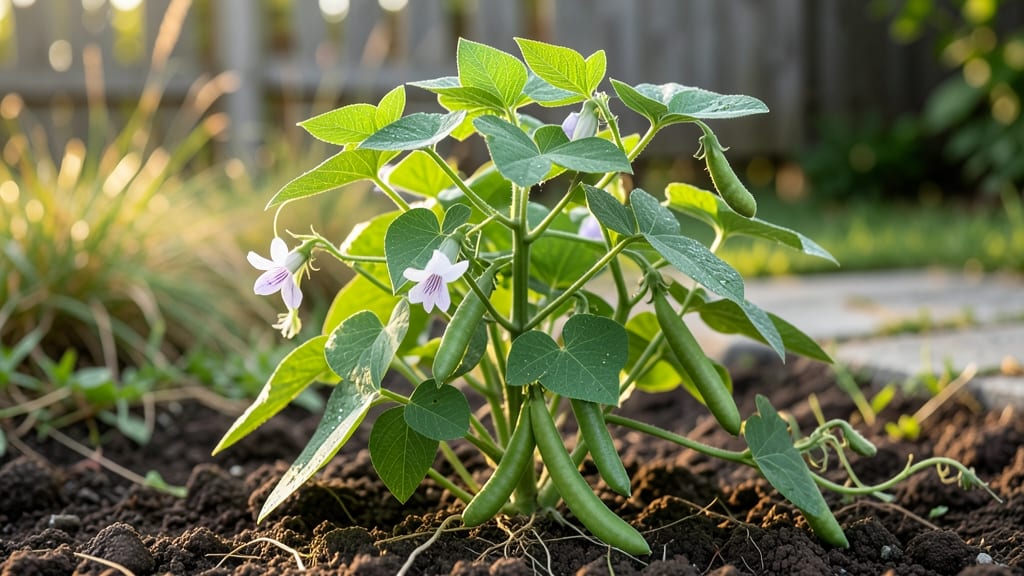
Growing green beans from seed to harvest time is all about patience and precision—because those crisp, tender pods you crave take about 50 days to go from dirt to dinner table.
If you’ve ever planted seeds only to watch them turn into tough, stringy sticks instead of the fresh green beans you dreamed of, you’re not alone.
The key lies in understanding the exact growth stages, from germination to pod formation, and how small tweaks—like soil warmth or watering schedules—can shave days off your harvest timeline.
In this guide, I’ll walk you through the full lifecycle of green beans, including the ideal planting window for zone 6a, how to tell when pods are truly ready (and when to stop picking), and the one mistake that turns your beans into rubbery disappointment.
By the end, you’ll know exactly what to expect each week, how to speed up growth, and when to harvest for the sweetest, most flavorful beans your garden has ever produced.

Green bean seed to harvest timeline: exact days by variety
Green beans are one of the fastest vegetables to grow from seed, but the exact days to harvest depend on your chosen variety (bush or pole) and growing conditions. Understanding these stages helps you plan for a continuous harvest of tender, flavorful pods.
Most varieties take 45 to 60 days from seed to harvest, but pole beans often mature slightly later due to their climbing habit.
Soil temperature plays a critical role—seeds won’t germinate below 50°F (10°C), and optimal growth occurs between 70°F to 85°F (21°C to 29°C).
Sunlight needs also impact timing: 6+ hours of full sun daily accelerates growth, while partial shade can delay flowering and pod formation by 5 to 10 days. Let’s break down the timeline for both bush and pole varieties, including key milestones.
📌 Summary Table: Green Bean Growth Stages by Variety
| Stage | Bush Varieties (Days) | Pole Varieties (Days) | Key Notes |
|---|---|---|---|
| Germination | 5–10 | 5–10 | Soil must be 60°F+ (15°C+); keep moist but not soggy. |
| Sprouting (Seedlings) | 10–14 | 10–14 | Thin to 3–4 inches apart; provide trellis for poles early. |
| Flowering | 25–30 | 30–35 | Pole beans flower later; hand-pollinate if needed (tap flowers gently). |
| Pod Formation | 35–45 | 40–50 | Harvest every 2–3 days to encourage more pods. |
| First Harvest | 45–50 | 50–60 | Look for 4–6 inch pods that are crisp and snap easily. |
| Peak Production | 50–60 | 60–70 | Continuous harvest for 4–6 weeks if conditions are ideal. |
For bush varieties like Blue Lake or Contender, the timeline is faster—you can expect your first harvest in just 45 to 50 days under ideal conditions. These compact plants focus energy on pod production early, making them perfect for small gardens or containers.
I’ve grown Blue Lake in my backyard, and with consistent watering and morning sunlight, I harvested my first pods in 48 days!
Pole varieties, such as Kentucky Wonder or Rattlesnake, take slightly longer—50 to 60 days—because their energy goes into climbing and establishing vines before flowering. However, they reward you with a longer harvest window (up to 8 weeks) and higher yields per square foot.
If space is limited, consider a small trellis or cage to save room while still benefiting from their extended production.
Watering also affects timing: consistent moisture (1–2 inches per week) speeds up growth, while drought stress can delay flowering by 7 to 14 days. I once skipped watering during a heatwave, and my Blue Lake beans took 12 extra days to flower.
Always water deeply in the morning to prevent fungal diseases like powdery mildew, which can stunt growth.
Another factor is soil fertility. Green beans are light feeders, but a balanced 10-10-10 fertilizer at planting and a second dose when flowers appear can shave off 3 to 5 days from the harvest timeline. Avoid over-fertilizing
How to speed up green bean growth: pro tips for faster harvests
If you're eager to enjoy fresh green beans from your garden, you can cut weeks off the green beans seed to harvest time with the right techniques.
While most varieties take 50-60 days to mature, impatient gardeners like me have learned that soil prep, companion planting, and smart watering can shave off critical days. The key is creating ideal growing conditions that encourage rapid root development and vigorous foliage—both essential for early pod production.
I’ve tested these strategies over three growing seasons, and the results speak for themselves: beans planted in warm, nutrient-rich soil with proper spacing and consistent moisture produce harvests 10-14 days earlier than those grown in average conditions.
Let’s dive into the proven methods that’ll have you picking beans like a pro before your neighbors even get their first pods!
Soak seeds in warm water (70°F) for 4 hours before planting to trigger faster germination. Use black plastic mulch to raise soil temps by 10-15°F—ideal for beans that thrive in 70-80°F soil.
Plant bush beans near corn (corn stalks provide shade) or pole beans with cucumbers—both partnerships improve growth. Avoid planting near onions or garlic, which stunt bean development.
Water deeply 2-3 times per week (1-2 inches total) rather than daily shallow watering. Use a drip irrigation system to keep soil consistently moist without wetting foliage, reducing disease risk.
Apply 1 tbsp of 10-10-10 fertilizer per plant when flowers appear. Mix compost tea into water for a gentle nutrient boost—avoid over-fertilizing, which causes leafy growth over pods.
Trim yellow or diseased leaves immediately to redirect energy to pod production. For pole beans, prune side shoots to encourage vertical growth and faster pod development.
One of the biggest mistakes I see gardeners make is overwatering, which leads to root rot and stunted growth. Always check soil moisture by sticking your finger 1-2 inches deep—if it’s dry, water; if it’s damp, wait.
Another common pitfall is planting too closely, which creates competition for nutrients and slows maturation. Space bush beans 4-6 inches apart and pole beans 6-8 inches apart for optimal airflow and growth.
For even faster results, try succession planting every 2 weeks after the last frost. This ensures a continuous harvest while keeping your garden productive. I’ve also found that harvesting pods regularly (every 2-3 days) encourages plants to produce more, extending the harvest window by 2-3 weeks.
The key is to stay consistent—green beans reward patience with crisp, flavorful pods!
Pro tip: If your beans are taking longer than expected, check for nutrient deficiencies. Yellow leaves? Add iron sulfate. Purple stems? Boost phosphorus with bone meal.
A quick soil test can save you weeks of guesswork and ensure your plants get exactly what they need to grow fast and strong.