
Vegetables
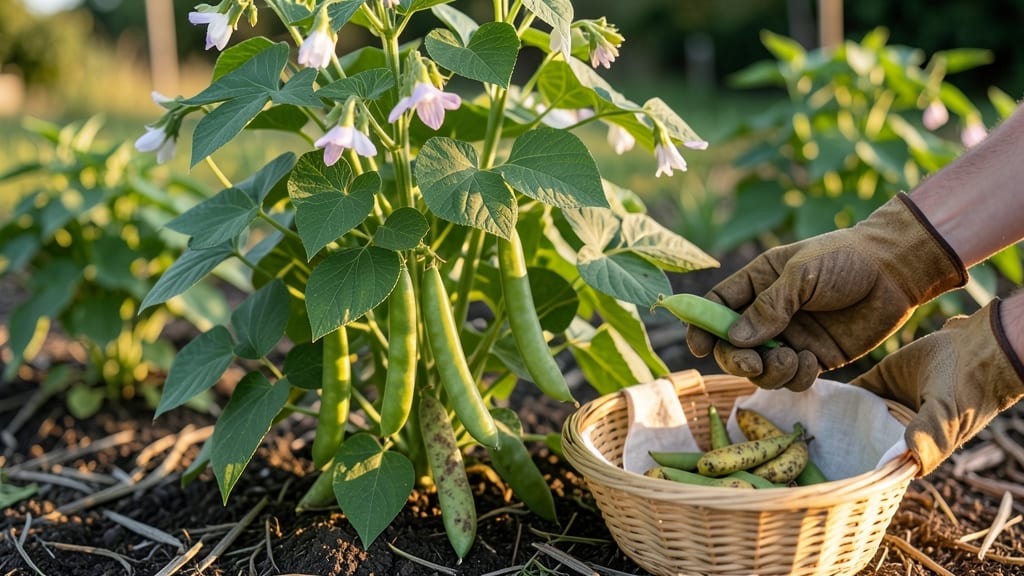
Harvesting green beans 🌱 at the right time means the difference between tender, crisp pods and tough, stringy ones—so timing is everything.
Picking green beans at the wrong time means sacrificing crisp texture and sweet flavor, yet many gardeners miss the perfect harvest window. Whether you’re growing bush or pole varieties, knowing when to pluck them ensures your harvest tastes fresh and snaps like it just came from the store.
Most green beans are ready to pick when pods are 4 to 6 inches long, firm to the touch, and snap easily when bent. If you wait too long, the pods toughen up and the seeds inside grow larger, ruining that perfect garden-fresh taste.
In this guide, I’ll walk you through three simple tests to determine when green beans are at their peak, how often you should harvest for maximum yield, and the most common mistakes that turn great harvests into disappointments.


3 Visual and tactile tests to determine green bean harvest readiness
Harvesting green beans at the perfect moment transforms your garden into a crisp, flavorful feast. The difference between tender and woody beans often comes down to timing—specifically, three key tests that reveal when pods are ready.
Master these visual and tactile cues, and you'll enjoy beans that snap with freshness straight from the vine.
Many gardeners wait too long, letting beans grow tough and seedy, or harvest too early when pods are still immature. Both mistakes rob you of the sweet flavor and crunchy texture you crave.
By focusing on these three simple tests—size, color, and the snap test—you'll know exactly when to pick for peak quality.
Here's how to apply each test to your green beans, along with what to watch for to avoid common pitfalls:
Let’s break down each test further. The size test is your first line of defense—most green bean varieties reach ideal harvest size between 50-60 days after planting. For bush beans, aim for 4-5 inches, while pole beans can stretch to 6 inches before they toughen.
Use a ruler to check consistency across your plants.
Color plays a surprising role in flavor. Bright green pods contain higher levels of chlorophyll, which correlates with sweetness. If your beans start developing yellow or brown streaks, they’ve likely been on the vine too long.
This is especially true for varieties like Blue Lake or Romano, where color shifts signal a rapid drop in quality.
The snap test is my favorite because it combines visual and tactile cues. Hold a pod between your thumb and forefinger, then gently bend it. A crisp, clean break means it’s ready to eat.
If the pod creaks or feels spongy, it’s past its prime. For extra accuracy, test 3-5 pods from different parts of the plant—some varieties may mature unevenly.
Don’t overlook the seed check, which reveals the bean’s internal state. Cut open a pod lengthwise—if the seeds are tiny and smooth, harvest immediately. Seeds larger than 1/8 inch mean the bean has started converting sugars into starch, making it starchy and less sweet.
This is a common mistake with pole beans, which can grow rapidly if left unchecked.
Timing your harvests correctly also impacts your plant’s productivity. When you pick beans at their peak, you signal the plant to produce more flowers and new pods. This continuous cycle can extend your harvest season by 2-4 weeks compared to letting beans overripe.
For best results, harvest every 2-3 days during peak production—this keeps plants focused on growth rather than seed development.
One final tip: Always use clean, sharp scissors or pruners to harvest. Twisting or pulling pods can damage the plant and leave it vulnerable to pests or disease.
Cut just above the pod’s attachment point to encourage even growth. And remember—morning harvests yield the freshest beans, as daytime heat can cause pods to wilt quickly.
By mastering these three tests, you’ll transform your green bean harvest from hit-or-miss to consistently delicious. The key is consistency: check your plants daily during peak season, and you’ll never miss the perfect moment again. Happy harvesting! 🌱✂️
How often to harvest green beans for maximum yield and productivity
Harvesting your green beans at the right frequency is the secret to a continuous bounty. When you pick too infrequently, your plants redirect energy to seed production instead of growing more pods.
Aim for 2-3 harvests per week—this keeps your bushes productive and encourages tender, flavorful beans all season long.
I’ve learned the hard way that skipping harvests leads to tough, stringy beans. The key is to check your plants every 2-3 days during peak production (July-August) and harvest only the mature pods.
Leave younger pods to grow—they’ll be ready in just a few days. This method ensures your plants never get overwhelmed.
Here’s my proven harvesting schedule that maximizes yield: Start with every 3 days when pods first appear, then increase to every 2 days during the height of production. Always harvest in the morning when beans are cool and crispest. This simple routine keeps your plants happy and your kitchen stocked.
For bush beans, simply pinch or cut pods at the stem. With pole beans, use hand pruners to avoid damaging vines. I always leave 1-2 inches of stem attached—this helps the plant heal faster.
After harvesting, give your plants a quick watering to replenish moisture lost during the process.
To extend your harvest season, try succession planting every 2 weeks after your first harvest. This overlapping method ensures you have fresh beans from mid-summer to early fall.
I’ve had success with this technique in my Zone 6a garden, where we enjoy beans until our first frost in October.
Remember, the more you harvest, the more your green bean plants will produce. It’s like giving them a pat on the back—"Good job! Now let’s make more!" With consistent harvesting, you’ll enjoy a continuous supply of sweet, tender beans all season long. Happy harvesting! 🌱