
Vegetables
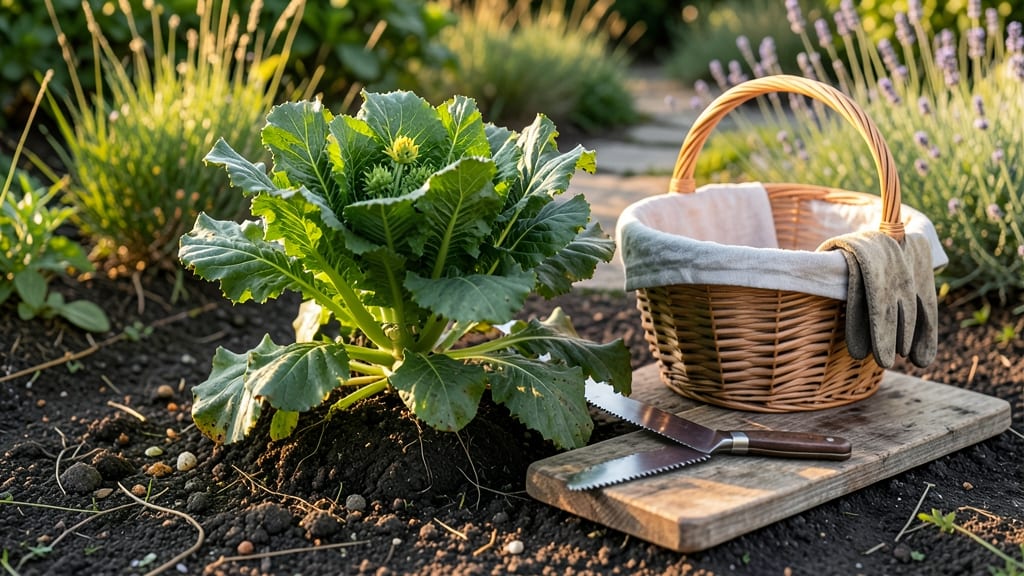
Harvesting black-seeded Simpson lettuce 🥬 at the right moment transforms your garden into a crisp, flavorful salad powerhouse—if you know the exact signs to watch for.
Picture this: you reach for a leaf, and it snaps cleanly at the stem, while the leaf cups stay tight instead of flopping open. That’s the golden moment—when flavor peaks and texture is perfect. Miss it, and you’re left with bitter, tough leaves that ruin even the best recipe.
Timing is everything with Simpson lettuce, especially in Zone 6, where spring and fall harvests demand precision. Too early, and the leaves are underdeveloped; too late, and bolting turns your crop into a sad, seed-studded mess.
The key? Learning the stem snap test and leaf cup tightness cues that tell you exactly when to pick.
In this guide, I’ll walk you through the step-by-step process—from the right tools to use to how to store your harvest so it stays crisp for days.
Whether you’re cutting whole heads or plucking leaves one by one, you’ll leave with a method that keeps your Simpson lettuce tasting fresh, no matter when you’re ready to eat.

When to harvest Black Seeded Simpson lettuce by stem snap test & leaf cup tightness
Timing your Black Seeded Simpson lettuce harvest perfectly ensures maximum flavor and texture. Unlike other varieties, this heirloom thrives when you combine two key indicators: the stem snap test and leaf cup tightness.
Ignoring these cues often leads to bitter, woody leaves or premature bolting. Let’s break down exactly what to look for and when to act.
The stem snap test is your first clue. Gently grasp a mature outer leaf near the base and pull upward. If the stem snaps cleanly at the soil line with minimal resistance, your lettuce is ready.
This indicates the roots have fully developed, ensuring crispness. If the stem resists or tears, wait 3-5 more days—the plant needs more time to mature.
Leaf cup tightness is equally important. Healthy Simpson lettuce forms tight, overlapping leaf cups at the center. When these cups begin loosening slightly but remain snug, it’s time to harvest. Loose cups signal the plant is past its prime, while overly tight cups mean it’s not mature enough. Aim for that just-right balance where leaves are fully expanded but still firm.
| Harvest Cue | What to Look For | Action |
|---|---|---|
| Stem Snap Test | Outer leaf pulls cleanly at soil line with minimal resistance | Harvest within 1-2 days |
| Leaf Cup Tightness | Leaf cups slightly loosened but still snug | Harvest immediately |
| Leaf Size | Outer leaves 4-6 inches long, fully expanded | Ready for harvest |
| Color & Texture | Deep green, crisp, and firm (not soft or yellowing) | Harvest for best flavor |
| Bolt Risk | Tall stems or flower buds forming | Harvest immediately to prevent bitterness |
Pay attention to the leaf color as well. Mature Black Seeded Simpson lettuce boasts a vibrant, deep green hue. If leaves start turning pale or yellowing, the plant is either underwatered or overripe.
Avoid harvesting in these conditions—flavor and texture will suffer. Instead, adjust your watering schedule or harvest sooner next time.
Another telltale sign is the tenderness test. Gently pinch a leaf between your fingers. If it feels tender but still holds its shape, it’s ready. Soft, floppy leaves mean the lettuce is past its peak, while overly firm leaves indicate it needs more time.
This simple test helps you avoid the crunchy-but-bitter trap many gardeners fall into.
Harvesting at the right time also depends on weather conditions. If temperatures rise above 80°F (27°C), lettuce bolts quickly, turning bitter. Prioritize harvesting during cooler mornings (before 10 AM) to preserve crispness. In hot climates, consider harvesting every 2-3 days to encourage continuous growth and prevent bolting.
One common mistake is waiting too long for perfect size. While Simpson lettuce can grow larger, its flavor peaks when leaves are 4-6 inches long. Larger leaves often develop a tougher texture and milder taste.
For the best experience, harvest when leaves are fully developed but still small—this ensures both crispness and sweetness.
For continuous harvests, use the "cut-and-come-again" method. Snip outer leaves at the base, leaving the inner rosette intact. This encourages regrowth and extends your harvest window by 2-3 weeks.
Just avoid cutting more than 1/3 of the plant at once to prevent stress. With proper timing, you can enjoy fresh Simpson lettuce for weeks!
Finally, watch for bolt signs like tall stems or flower buds. If you spot these, harvest immediately—bolted lettuce becomes bitter and inedible.
By mastering the stem snap test and leaf cup tightness, you’ll consistently harvest Simpson lettuce at its peak, ensuring salads that are crisp, sweet, and full of flavor.
Step-by-step harvesting technique to preserve lettuce quality & extend freshness
Harvesting Black Seeded Simpson lettuce at the right moment ensures crisp texture and sweet flavor. The key is to act when the outer leaves reach 4-6 inches and the leaf cups stay tightly closed.
If you wait too long, the stems may toughen, and the lettuce can bolt prematurely, ruining your crop.
Use the right harvesting tools—a sharp knife or clean scissors—to avoid crushing the delicate leaves. Cutting too close to the base stem can damage regrowth, so leave about 1 inch of stem intact if you plan to harvest more leaves later.
Always work in the early morning when temperatures are cooler.
How to Harvest Black Seeded Simpson Lettuce
- 1 Check leaf maturity: Gently pinch an outer leaf. It should be crisp and firm, not soft or floppy.
- 2 Test the stem: Hold the base of a leaf and pull gently. If it snaps easily near the leaf cup, it’s ready. If it resists, wait 2-3 days.
- 3 Use clean tools: Sterilize your knife or scissors with rubbing alcohol to prevent disease spread between plants.
- 4 Cut at the base: Angle your cut 1 inch above the soil to encourage regrowth if harvesting leaf-by-leaf.
- 5 Handle with care: Place harvested lettuce in a shallow container to avoid bruising the tender leaves.
After harvesting, rinse gently with cool water to remove dirt, then pat dry with a clean towel or paper towels. Store in a plastic bag with a paper towel to absorb moisture, and keep it in the crisper drawer of your fridge.
This method can extend freshness by up to 10 days.
If you’re harvesting the entire head, trim the roots to 1 inch and store it upside down in a loose plastic bag with a damp paper towel.
This mimics the natural humidity of the garden and keeps the lettuce crisp for longer. Avoid washing until right before use to prevent mold growth.
For continuous harvests, leave the innermost leaves intact and trim the outer leaves every 2-3 days. This encourages new growth and gives you a longer harvest window. Just remember: never remove more than 1/3 of the plant at once to avoid stressing the lettuce.