
How To
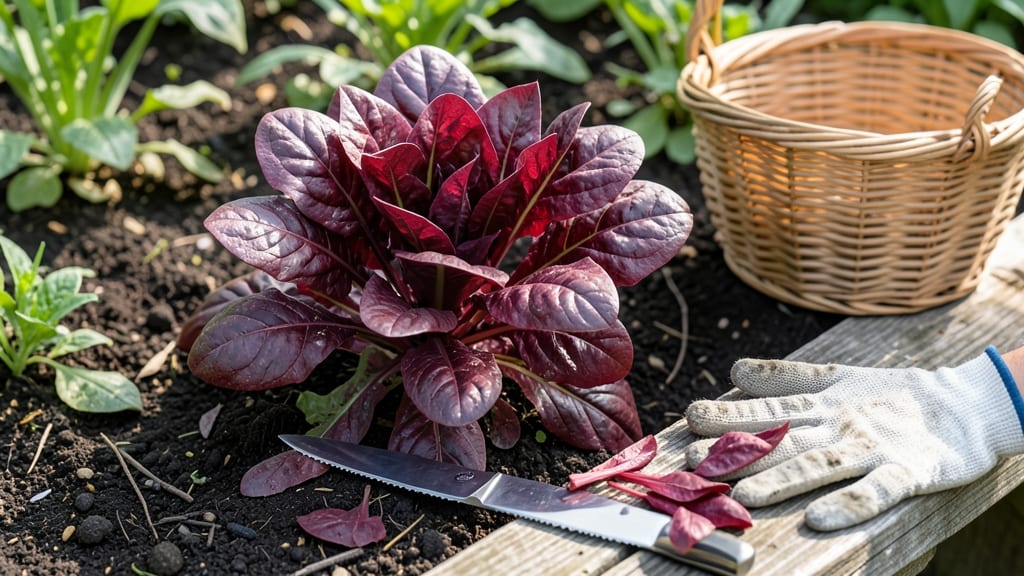
Harvesting red romaine lettuce 🥬 at the right time means crisp, sweet leaves that snap cleanly off the stalk — and missing the window means bitter, tough greens.
You might think size is the only clue, but the true test is the stalk: if it snaps easily with a satisfying crack, it’s ready. Too soft? Wait a few days. Too fibrous? You’ve waited too long.
Spring and fall bring different challenges: in spring, cooler temps slow growth, while fall heat can push lettuce to bolt. Knowing the signs saves your harvest from going to waste.
Below, I’ll walk you through the crisp stalk snap test, how to spot perfect heads, and when to cut for baby leaves vs. full heads — so you never miss peak flavor again.


How to perform the crisp stalk snap test for perfect red romaine
Harvesting your red romaine lettuce at the perfect moment transforms your garden into a crisp, flavorful bounty. The crisp stalk snap test is my go-to method for determining when these vibrant leaves are ready for harvest.
This simple technique helps you avoid the pitfalls of harvesting too early (tender, underdeveloped leaves) or too late (bitter, bolted plants).
Before diving into the test, let’s talk about what you’re really looking for: firmness, leaf size, and color intensity. A mature red romaine should have elongated leaves that stand upright, forming a tight, compact head.
The color should be a deep, consistent red—not pale or streaky. These visual cues combined with the snap test give you the green light for harvest.
Here’s the step-by-step guide to performing the test correctly, ensuring you harvest your lettuce at its peak. Pay attention to the details—this is where the magic happens!
Select a red romaine plant that looks visually mature. Look for leaves that are fully elongated and upright, forming a tight head. Avoid plants with pale or yellowing leaves.
Hold the outer stalk of the lettuce head near the base, about 1-2 inches from the soil. Use your thumb and forefinger to grip firmly but gently—you want to feel the stalk’s resistance, not crush it.
Apply a light downward pressure with your fingers. Imagine you’re giving the stalk a firm squeeze—not a hard pinch. The goal is to test the stalk’s structural integrity, not its durability.
Here’s the key: when you apply pressure, the stalk should snap cleanly with a slight resistance. If it snaps easily (like a dry twig), the lettuce is overripe. If it bends without snapping, it’s not ready yet.
After the snap, inspect the cut stalk. It should reveal a white or pale green core with no yellowing. The leaves should also be deep red and crisp to the touch. If the core is yellow or the leaves feel flimsy, wait a few more days.
If your red romaine passes all these checks, it’s time to harvest! Use a sharp knife or clean scissors to cut the head about 1 inch above the soil. This encourages regrowth for a second harvest if your climate allows.
Timing is everything when it comes to harvesting red romaine. The crisp stalk snap test isn’t just about the snap—it’s about combining this tactile test with visual cues.
For example, if your lettuce has passed the snap test but the leaves are still pale, it might need a little more time in cooler temperatures to develop that rich red hue.
One common mistake I see is harvesting based solely on leaf size. Just because the leaves are long doesn’t mean they’re ready! Always pair the snap test with a visual inspection.
Look for upright growth, deep color, and firmness. These three factors together guarantee a lettuce that’s crisp, flavorful, and perfect for salads or sandwiches.
Pro tip: If you’re growing red romaine in hotter months, harvest earlier in the day when temperatures are cooler. Heat stress can cause lettuce to bolt prematurely, turning bitter before it reaches peak maturity. A morning harvest not only ensures crispness but also protects your investment from the afternoon sun.
Once you master the crisp stalk snap test, you’ll never second-guess when to harvest your red romaine again. This method works for other leafy greens too, like butter lettuce or arugula, so you’ll have a reliable trick up your gardening sleeve for years to come. Happy harvesting!
Red romaine lettuce growth stages: when to harvest for baby leaves vs. full heads
Knowing when to harvest your red romaine lettuce depends on whether you want tender baby leaves or full, crisp heads. Each stage offers different flavors and textures, but timing is everything to avoid bolting or bitter leaves. Let's break down the key differences between harvesting baby leaves and full heads.
The ideal temperature range for red romaine growth is 55-70°F. When temperatures rise above 75°F, your lettuce will bolt prematurely, sending up bitter flower stalks. To prevent this, provide partial shade during hot afternoons and keep the soil consistently moist.
For baby leaves, you can start harvesting as early as 3-4 weeks after planting. These young leaves are delicate, sweet, and perfect for salads. The key is to pick the outer leaves first, allowing the inner leaves to keep growing. This method extends your harvest season.
Here’s a quick comparison to help you decide when to harvest:
| Harvest Type | Time to Harvest | Leaf Size | Ideal Temperature | Soil Conditions |
|---|---|---|---|---|
| Baby Leaves | 3-4 weeks | 2-4 inches | 55-65°F | Moist, well-draining |
| Full Heads | 6-8 weeks | 6-12 inches | 55-70°F | Rich, fertile, slightly acidic |
For full heads, wait until your red romaine reaches 6-8 weeks of maturity. At this stage, the leaves should be deep red, fully elongated, and upright. The stalk snap test is your best friend here: gently pull on a leaf. If it snaps cleanly, it’s ready for harvest.
To avoid bolting, always harvest in the morning when temperatures are cooler. If you notice the leaves becoming bitter or the plant sending up a flower stalk, it’s already too late. Instead, focus on consistent watering and shade cloth during peak summer heat.
Once you’ve harvested your red romaine, store it in the fridge for up to 5-7 days or wash and dry the leaves for immediate use. Happy harvesting! 🥬