
Trees
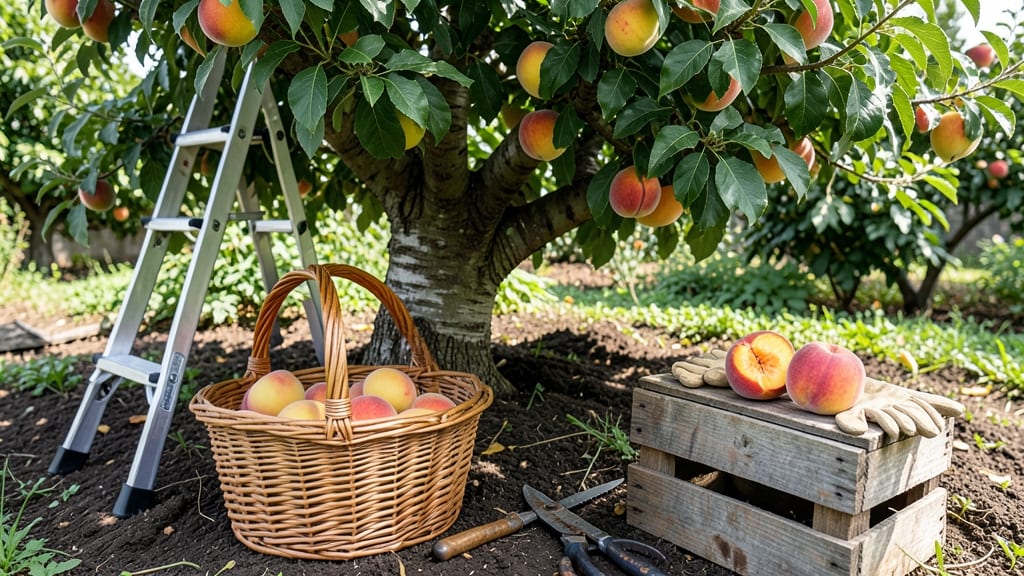
Harvesting a peach tree at the right time means the difference between a juicy, sweet reward and a mealy, bitter disappointment 🍑 — and the secret lies in knowing exactly when to pick.
Picture this: you’ve waited all summer for those velvety peaches, only to bite into one that’s hard as a rock or worse, riddled with bitter pit.
The good news? With the right cues—color, scent, and the famous "thump test"—you can time your harvest like a pro and avoid these common pitfalls.
Peaches ripen between July and September in most USDA Zone 6a areas, but variety and weather play a huge role. A peach ready to harvest will yield slightly to gentle pressure, smell fragrant at the stem, and separate cleanly with a twist.
Miss these signs, and you risk overharvesting or letting fruit spoil on the tree.
In this guide, I’ll walk you through the exact steps to pick peaches at peak sweetness, how to store them for maximum freshness, and even how to troubleshoot bitter pit before it ruins your crop. Ready to turn your tree’s bounty into summer’s best flavor?


How to determine the perfect ripeness for harvesting peaches
Harvesting peaches at the right moment transforms a simple fruit into a sweet, juicy delicacy. The difference between a perfect peach and one that’s mealy or bitter often comes down to timing.
Understanding visual cues, texture changes, and scent will help you pick peaches at their peak. Even the climate and variety play a role in determining when your peaches are ready.
Most peach varieties ripen between mid-July and early September, but this window shifts based on your USDA hardiness zone and the specific cultivar. For example, Elberta peaches mature earlier than Redhaven peaches.
Paying attention to these seasonal shifts ensures you don’t miss the harvest window or pick peaches too late.
| Indicator | Description | Action |
|---|---|---|
| Skin Color | Deepens to rich yellow, white, or red (varies by variety) | Check for even color without green patches |
| Texture | Gives slightly when pressed near the stem (like a ripe avocado) | Avoid peaches that are rock-hard or mushy |
| Stem Separation | Fruit twists off easily with a slight tug (no force needed) | If it resists, it’s not ready yet |
| Scent | Releases a sweet, fragrant aroma at the stem | Unripe peaches smell neutral or bland |
| Thump Test | Gives a hollow sound when tapped near the stem | Solid thud = underripe; mushy = overripe |
The thump test is one of my favorite tricks for testing ripeness. Hold a peach in one hand and tap it gently near the stem with your other hand. A ripe peach will sound hollow or slightly dull, while an unripe one will have a solid, crisp tone.
This method works best on firm but yielding peaches—avoid using it on overly soft fruit, as you risk bruising them.
Climate and variety significantly impact ripening timelines. In hotter climates (Zones 8-10), peaches often ripen 2-3 weeks earlier than in cooler zones. For example, Southern Highboy peaches thrive in heat, while Relenta peaches are better suited for cooler regions. Always check your tree’s specific variety notes for localized guidance.
Harvesting in the morning is ideal because peaches are cooler and firmer, reducing the risk of bruising. If you must harvest later in the day, pick during shady periods to prevent heat damage. Never harvest after a heavy rain, as wet peaches are prone to rot and disease.
One common mistake is waiting too long for peaches to ripen on the tree. While it’s tempting to let them stay until they’re super soft, overripe peaches develop mealy flesh and fermented flavors.
If you’re unsure, pick a few peaches early and let them ripen at room temperature for 1-2 days. This way, you can test their readiness without risking the entire crop.
For late-season varieties, like O’Henry peaches, monitor the tree closely. These peaches often ripen in late August or early September, and missing this window means they’ll never reach peak sweetness.
Keep a harvest journal to track ripening patterns year over year—this helps you anticipate future harvests with precision.
If you’re growing multiple peach varieties, harvest them sequentially. Early-season types like Redtop should be picked first, followed by mid-season varieties like Suncrest, and finally late-season types like Contender. This staggered approach ensures you’re not overwhelmed with peaches all at once and maximizes storage potential.
Once you’ve mastered the art of picking ripe peaches, you’ll never settle for store-bought again. The key is patience and observation—trust your senses, and your peach tree will reward you with bursting sweetness every season. Happy harvesting! 🍑
Why your peaches might be bitter and how to prevent it
Bitter peaches can ruin what should be a sweet summer harvest. The most common culprit is bitter pit disease, caused by a calcium deficiency in the fruit.
This happens when your peach tree can't absorb enough calcium during rapid growth phases, often due to uneven watering or poor soil conditions.
Other factors like extreme heat stress, over-fertilization with nitrogen, or even root damage can also trigger bitter flavors. Young trees are especially vulnerable because their root systems aren't fully established to support heavy fruit loads.
⚠️ callout warning
Don't confuse bitter pit with natural tartness in some varieties. Look for:
- Small brown pits in the flesh near the stone
- Gritty texture when biting into the fruit
- Uneven ripening (some areas sweeter than others)
If you see these signs, act immediately to save next year's crop!
To prevent bitter pit, start with a soil test to check calcium levels. Most peach trees need soil with a pH between 6.0 and 7.0. If calcium is low, amend your soil with crushed eggshells or gypsum (calcium sulfate) in early spring before flowering.
Consistent deep watering is crucial—peach trees need 1-2 inches of water weekly, especially during fruit development. Avoid shallow watering that encourages surface roots, which struggle to access calcium from deeper soil layers.
Be cautious with fertilizer applications. Too much nitrogen promotes leafy growth at the expense of fruit quality. Use a balanced 10-10-10 fertilizer sparingly, and always water thoroughly after applying to prevent root burn.
For established trees, consider foliar sprays with calcium nitrate during fruit set. This delivers calcium directly to developing peaches. Apply in the early morning on calm days to prevent leaf scorch from the sun.