
Vegetables
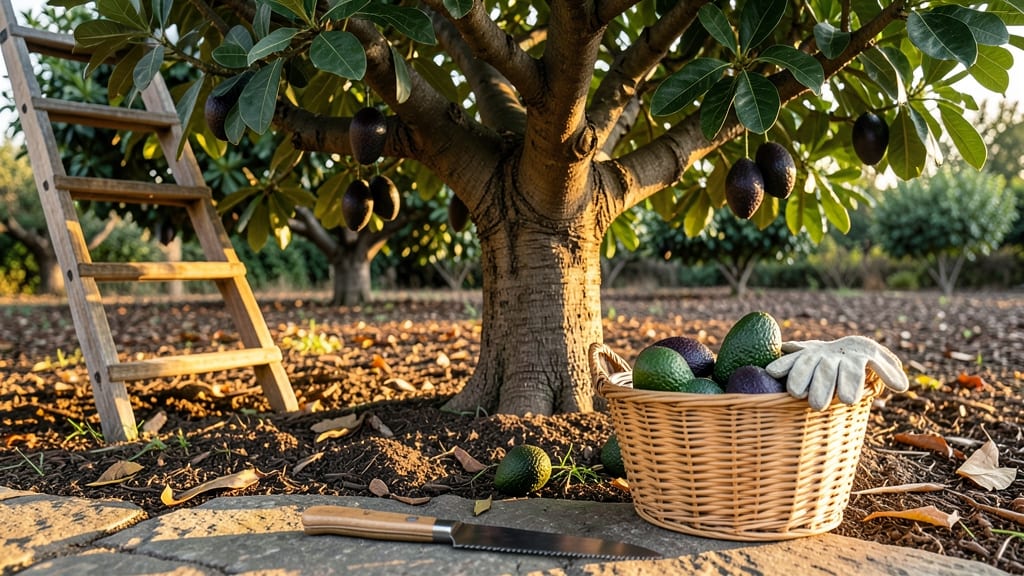
Avocados reach their harvest time when the fruit detaches easily with a gentle twist 🥑 — a critical moment that separates creamy perfection from bitter disappointment.
Picture this: you’ve nurtured your tree for years, and now the moment of truth arrives. But how do you know if your avocados are truly ready? Waiting too long means mealy texture, while picking too soon leaves you with an unripe, flavorless fruit.
The key lies in color shifts, stem resistance, and even the weight of the fruit—details most growers overlook.
Whether you’re in General (Tropical/Subtropical Regions) or zones 9-11, timing matters. Some varieties like Hass turn dark purple, while others stay green but soften. I’ll break down the exact cues—from skin texture to the famous "stem test"—so you never miss peak flavor again.
Ready to master the art of harvesting? You’ll learn when to pick by season, how to handle the fruit after harvest, and the one mistake that ruins avocados faster than you’d think. Let’s get started.

How to determine avocado ripeness by color and stem test
Harvesting avocados at the perfect moment transforms your homegrown fruit from bland to buttery perfection. Unlike many fruits that ripen on the vine, avocados reach their ideal flavor after harvest, but only if you pick them at the right stage.
The key lies in two simple tests: color changes and the stem resistance method. These indicators work together to tell you when your avocado is ready to ripen indoors.
Most avocado varieties, especially the popular Hass avocado, start with a bright green skin that gradually darkens as they mature. However, color alone isn’t enough—you’ll also need to check the stem’s resistance to avoid picking too early or too late.
The stem test is where many gardeners go wrong, often assuming a firm grip means the fruit is unripe. Let’s break down the exact steps to get it right every time.
Step-by-Step Avocado Ripeness Test
-
Step 1: Observe Skin Color
Start by examining the avocado’s skin. Hass varieties should transition from bright green to dark purple or black when ripe. Other types like Fuerte may stay green but develop a yellow tint near the stem.
-
Step 2: Check Stem Resistance
Gently twist the fruit at the stem. If it snaps cleanly with a slight resistance (not too firm, not too loose), it’s ready. A firm grip means it’s underripe; a loose stem signals overripeness.
-
Step 3: Test Fruit Weight
Hold the avocado in your hand. A ripe avocado feels heavy for its size due to its dense flesh. If it feels light or hollow, it’s not ready yet.
-
Step 4: Gently Squeeze the Fruit
Apply light pressure with your fingers. The skin should yield slightly (like a ripe peach) but not feel mushy. A rock-hard avocado is unripe; a soft or squishy one is overripe.
-
Step 5: Inspect the Seed
Cut open the avocado to check the seed. A ripe avocado will have a fully formed, dark brown seed with a thick, creamy pit. If the seed is soft or pale, the fruit isn’t ready.
One of the biggest mistakes I see gardeners make is relying only on color to judge ripeness. For example, a Hass avocado might turn dark purple but still feel rock-hard inside—this means it’s not ready to eat yet.
Similarly, a Fuerte avocado might stay green but be perfectly ripe if it passes the stem test. Always combine both visual and tactile checks for accuracy.
Temperature also plays a crucial role in avocado ripening. If your tree is in a warmer climate (USDA Zones 9-11), avocados may ripen faster and require more frequent checks.
In cooler microclimates, the ripening process slows down, so don’t rush to harvest just because the skin darkens. Patience is key—avocados ripen best at room temperature (68-77°F) after harvest.
Once you’ve confirmed your avocado is ready, harvest it by twisting gently until the stem separates from the branch. Avoid using pruning shears unless necessary, as this can damage the fruit. After harvesting, place the avocado in a paper bag with a banana or apple to speed up ripening.
The ethylene gas from these fruits triggers the ripening process, giving you a perfectly ripe avocado in 2-5 days.
If you’re unsure whether your avocado is ready, err on the side of caution and let it ripen longer. Underripe avocados will never develop their signature creamy texture or rich flavor, but slightly overripe ones can still be used in smoothies or guacamole.
With practice, you’ll become an avocado ripeness expert—no more bitter surprises at mealtime!
Pro tip: Keep a harvest journal to track when your avocados ripen each season. Note the skin color, stem resistance, and fruit weight for each variety. Over time, you’ll recognize the perfect moment to pick, ensuring your homegrown avocados are always at their best.
Best practices for harvesting avocados at peak flavor
Timing your avocado harvest is everything—pick too early, and you’ll get a bland, seedy fruit. Harvest too late, and the flesh turns mushy or bitter.
The key lies in understanding variety-specific cues and seasonal patterns. Hass avocados, the most popular type, darken as they ripen, while Fuerte avocados stay green but develop a waxy texture. Knowing these differences ensures you harvest at the perfect moment for maximum flavor and creaminess.
Seasonal timing also plays a critical role. In USDA Zones 9-11, avocados typically ripen year-round, but peak harvest seasons vary. Hass varieties often reach maturity in late spring to summer, while Fuerte and Reed varieties may peak slightly earlier.
Pay attention to your local climate—cooler regions might experience delayed ripening, while tropical zones can enjoy multiple harvests annually.
| Variety | Harvest Season | Skin Color | Stem Test | Post-Harvest Handling |
|---|---|---|---|---|
| Hass | Late spring to summer | Dark purple/black | Twists easily | Ripens at room temp |
| Fuerte | Early spring to late summer | Green with waxy texture | Pulls away cleanly | Store in fridge |
| Reed | Summer to early fall | Green to yellow-green | Gives slightly | Ripens faster |
| Bacon | Late summer | Green with rough skin | Twists with resistance | Long shelf life |
Once you’ve identified the right harvest window, use the stem twist test as your final cue. Gently grasp the fruit and twist—if it detaches cleanly from the branch with just a slight pull, it’s ready.
If the stem resists or snaps off with the fruit still attached, wait another 1-2 weeks. This test is especially critical for Hass avocados, which ripen on the tree but continue softening after picking.
Post-harvest handling directly impacts flavor and shelf life. Hass avocados should ripen at room temperature for 2-5 days post-harvest, while Fuerte and Reed varieties can be refrigerated immediately to slow ripening.
Once ripe, store them in the fridge to extend freshness. Avoid cutting into avocados until you’re ready to use them—exposed flesh oxidizes quickly, turning brown and losing flavor.
Pro tip: Mark your harvest calendar based on your tree’s first fruit. Avocado trees often produce fruit 1-2 years after planting, and once established, they yield year-round with seasonal peaks.
Keep notes on which varieties ripen earliest in your climate—this helps you plan for continuous harvests and minimizes waste from overripe fruit.
Remember, patience is key. Rushing the harvest can leave you with a fruit that’s too firm or seedy. Let nature take its course, and you’ll reward yourself with avocados that are creamy, rich, and bursting with flavor. 🌱🥑