
Picking
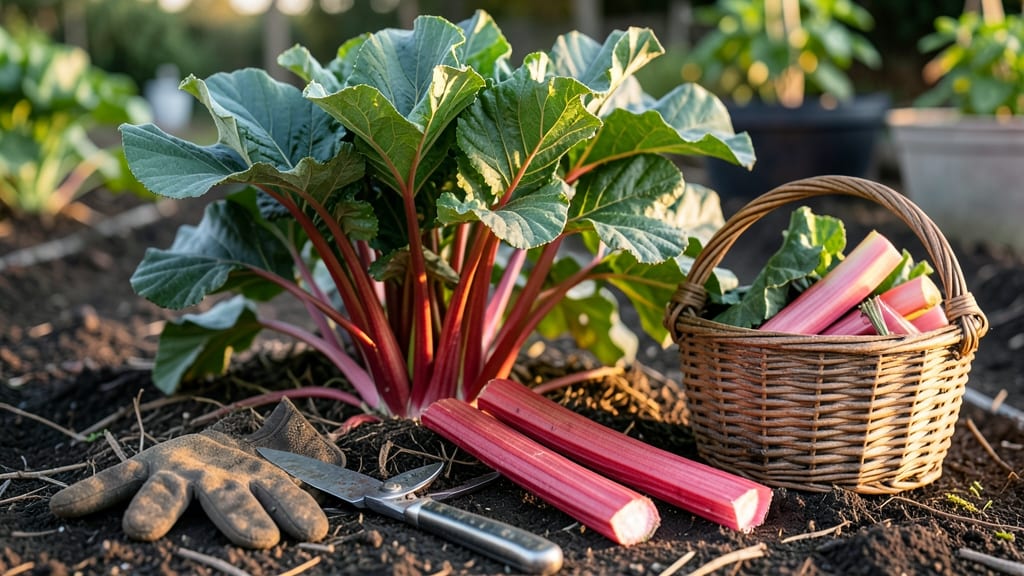
The time to harvest rhubarb is when stalks reach 8–12 inches and snap cleanly with a gentle twist—this simple test unlocks the sweetest, most tender stalks for pies and compotes.
If you’ve ever bitten into rhubarb that’s too fibrous or bland, you know timing is everything—harvesting at the wrong moment turns tart perfection into tough disappointment. The stem twist test reveals the exact moment your rhubarb reaches peak flavor, and missing it means wasted plants.
For most gardeners in USDA Zone 6a, that window opens in late spring, around May–June, when the stalks are deep red or green and firm but bendable. But regional climates shift those dates—cooler areas may wait until after the last frost, while warmer zones can start harvesting earlier.
Below, I’ll walk you through the twist test, month-by-month timing by zone, and how to keep your rhubarb 🌱 productive year after year without over-harvesting. No more guesswork—just perfect tartness every time.

When to harvest rhubarb using the stem twist test (exact method)
Harvesting rhubarb at the right time transforms your garden into a tart treasure trove. The stem twist test is my foolproof way to determine peak tenderness and flavor.
When done correctly, this simple method ensures you pick stalks that are crisp, vibrant, and packed with that signature tangy sweetness we all love.
Timing matters because rhubarb stalks can go from perfect to woody in just days. Early harvests often yield small, underdeveloped stalks, while waiting too long results in fibrous, less flavorful harvests.
The twist test gives you that precision window between these extremes, typically between late spring and early summer when daylight length triggers active growth.
Before you grab your shears, know these key indicators: stalks should be 8-12 inches long, have a deep vibrant color (red, pink, or green depending on variety), and feel firm but yield slightly when gently squeezed.
These visual cues work, but the twist test adds that final confirmation of readiness.
Seasonal timing plays a crucial role in rhubarb's harvest window. In most USDA zones 3-8, the best harvest period spans from late April to early June.
However, if you live in warmer climates (zones 9-10), you might extend harvesting into late summer, but be cautious—overheating can make stalks tough.
Avoid these common mistakes that throw off your harvest timing. First, never harvest before the last frost—cold snaps can damage tender stalks. Second, don't wait until stalks exceed 12 inches in diameter, as they become fibrous. Finally, avoid harvesting flowering stalks—they're bitter and divert energy from future growth.
For first-year plants, expect a modest harvest of just a few stalks. Mature plants (3+ years old) can yield 50+ stalks per harvest, but never take more than one-third of the stalks at once. This balance ensures your rhubarb plant stays healthy and productive for years to come.
After harvesting, store stalks in the refrigerator for up to 2 weeks or freeze them for long-term use. To encourage earlier harvests next year, consider forcing rhubarb by covering the crown with a bucket or container in late summer.
This tricks the plant into producing tender stalks by early spring, giving you a jump-start on the season.
Mastering the stem twist test transforms your rhubarb harvest from guesswork to precision. With this method, you'll consistently pick stalks at their peak—tender, tart, and bursting with flavor—every single time you reach for your shears. Happy harvesting! 🌱
Rhubarb harvest timeline: month-by-month guide for best yields
Timing your rhubarb harvest by USDA zone and plant maturity ensures sweet-tart perfection every season. First-year plants yield minimal stalks (1-2 per plant), while mature rhubarb (3+ years old) can produce 50+ stalks annually. Over-harvesting weakens plants—never remove more than one-third of stalks at once.
Northern growers (Zones 3-5) should start harvesting in late May after frost risk passes, while Southern gardeners (Zones 6-9) can begin in March-April. The key is waiting until stalks reach 10-12 inches and pass the twist test—if they snap cleanly, they’re ready.
| Month | USDA Zones 3-5 | USDA Zones 6-9 | Harvest Notes |
|---|---|---|---|
| April | Wait until after last frost | Begin light harvesting | First stalks appear—test twist |
| May | Peak harvest begins | Full harvest season | Harvest 2-3x weekly; avoid leaves |
| June | Slow harvest taper | Reduce frequency | Stop by July to preserve plant |
| July-August | No harvest | No harvest | Focus on watering; fertilize lightly |
| September | None | None | Prep for winter; mulch heavily |
In Zones 3-5, early harvests risk frost damage—always check weekly forecasts and protect plants with row covers if frost is predicted. Southern zones (6-9) enjoy a 2-month harvest window, but stop by July to let plants replenish energy for next year.
For first-year plants, limit harvests to 1-2 stalks total to avoid stunting growth. Mature plants reward patience with heavier yields—harvesting 3-4 stalks weekly during peak season (May-June) works best. Always cut stalks at the base with clean shears to prevent disease.
Balance is key: Over-harvesting reduces next year’s crop, while under-harvesting leads to woody stalks. Aim to remove only mature stalks (those passing the twist test) and leave younger growth to develop. This ensures your rhubarb plant stays healthy and productive for decades.
🌱