
How To
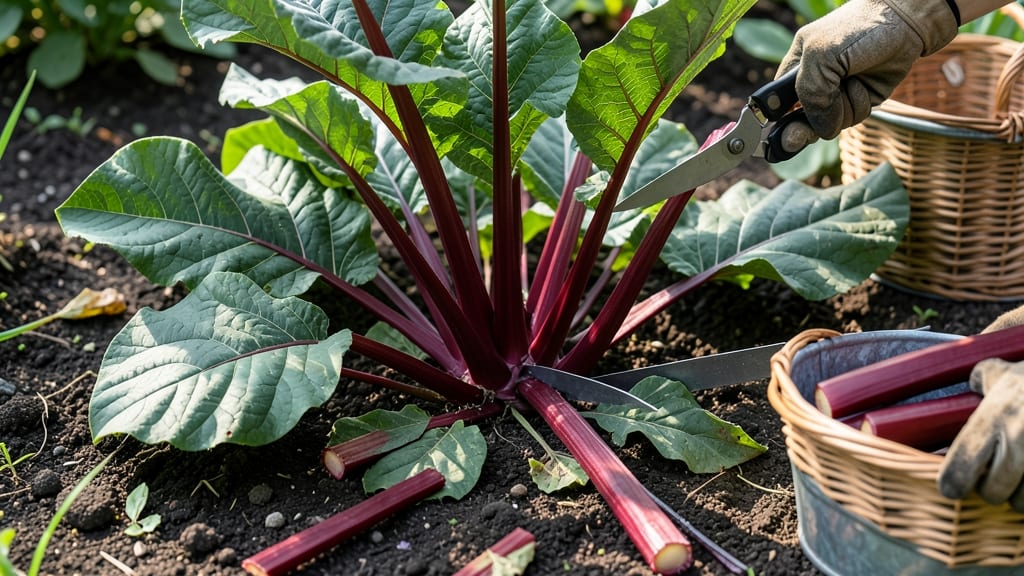
Harvesting rhubarb stalks at the right time ensures sweet, tender stalks 🌱 while keeping your plant thriving for years.
Picture this: you’re about to pull a stalk, only to find it’s still woody or the plant is struggling to bounce back. That’s the frustration of harvesting too early or too aggressively—something even experienced gardeners fall into.
The key is knowing when stalks are mature but before they flower, plus using the right cutting technique to avoid damaging the crown.
Rhubarb’s first harvest typically arrives in April, but timing depends on your USDA Zone 6a climate. Stalks should be at least 10 inches long, bright pink or red, and firm to the touch.
Cutting them at the base with a clean knife (not pulling) prevents stress on the plant and encourages more regrowth.
In this guide, you’ll learn the exact signs of readiness, step-by-step cutting methods, and how to avoid common mistakes that weaken your rhubarb. By the end, you’ll harvest like a pro—without sacrificing next year’s crop.

When rhubarb stalks are ready for harvesting (and how to tell)
Harvesting rhubarb at the right time ensures sweet, tender stalks while preserving your plant’s health for years to come. First-year plants need patience—wait until year two for a full harvest. The key is watching for maturity signs like stalk size, color, and firmness, not just guessing by calendar dates.
Most gardeners make the mistake of harvesting too early, which leads to woody stalks and weak regrowth. I’ve learned that patience pays off—waiting for stalks to reach 10-12 inches guarantees the best flavor and texture. Let’s break down the exact signals your rhubarb is ready.
Seasonal timing matters just as much as stalk size. In USDA Zone 6a, the prime window opens in late April or early May, right after the last frost. Late-season cuts can continue until early July, but avoid harvesting after mid-July to prevent stressing the plant before winter.
Here’s my rhubarb maturity checklist—use it to avoid over-harvesting and keep your plant thriving for decades. The table below shows the critical signs your stalks are perfect for picking, along with what to avoid.
| Maturity Sign | Ready for Harvest? | Action |
|---|---|---|
| Stalk Length | 10–12 inches or longer | Harvest when firm and bright |
| Stalk Color | Deep pink, red, or green (varies by variety) | Avoid pale or dull stalks |
| Stalk Firmness | Crisp, snaps cleanly when bent | Discard rubbery or fibrous stalks |
| Leaf Stage | Fully unfurled, stalks plump | Wait if leaves are still curled |
| Seasonal Timing | After last frost, before flowering | Stop harvesting by mid-July |
| Regrowth Cycle | Leave 1–2 stalks per plant for regrowth | Never remove more than ⅓ of stalks |
First-time harvesters often wonder how many stalks to pick at once. My rule is to never take more than one-third of the stalks from a mature plant. For example, if your rhubarb has 12 stalks, harvest just 4 to allow the plant to recover and produce more next season.
After your first harvest, your rhubarb will enter a regrowth cycle. New stalks will emerge in 3–4 weeks, and you can harvest again once they reach maturity. This cycle repeats until mid-July, when the plant needs to focus on storing energy for winter.
Late-season cuts are tricky—avoid harvesting after flowering, as this weakens the crown. If you see flower stalks (called scape), snip them off immediately to redirect the plant’s energy back to leaf and stalk production. This simple step can double your yield the following spring.
One common mistake I see is harvesting woody stalks, which happens when you wait too long. These stalks are tough, fibrous, and less flavorful. If you accidentally pick a woody stalk, compost it and focus on harvesting the tender, younger stalks instead.
Pro tip: Wear gardening gloves when handling rhubarb leaves—they contain oxalic acid, which can irritate skin. Always compost the leaves rather than mulching them directly onto the soil, as they can inhibit growth.
By following these maturity signs and seasonal guidelines, you’ll enjoy sweet, tender stalks for years without weakening your plant. Happy harvesting! 🌱
Step-by-step guide to cutting rhubarb stalks without damaging the plant
Harvesting rhubarb correctly ensures your plant thrives for years. The key is using the right cutting angle and tools while preserving the crown. A sharp pruning shears or clean knife is essential—never pull stalks, which can uproot the plant.
Focus on stalks that are 10-12 inches long and bright pink or red, avoiding any that are woody or thin.
Start by selecting the thickest, most mature stalks first. These are the safest to harvest without stressing the plant. Cut each stalk at a 45-degree angle, about 1 inch above the crown.
This angle prevents water from pooling on the cut, reducing rot risk. Always leave at least 3-4 stalks per plant to maintain energy for regrowth.
Correct vs. Incorrect Harvesting Methods
✅ Correct Method
- Tool: Sharp pruning shears
- Angle: 45-degree cut
- Stalks: 10+ inches long
- Leaves: Remove & compost
- Crown: Never damaged
❌ Incorrect Method
- Tool: Dull knife or hands
- Angle: Straight cut (water pooling)
- Stalks: Too thin or woody
- Leaves: Left attached (dries plant)
- Crown: Torn or exposed
After cutting, remove the large leaves—they’re toxic if eaten and can dry out the plant if left attached. Add them to your compost pile (they break down quickly) or use as mulch around non-edible plants like perennials.
Never leave leaves on the ground near your rhubarb, as they can smother new growth.
For first-year plants, harvest sparingly—just 1-2 stalks—to encourage root establishment. In subsequent years, you can harvest more aggressively but never take more than one-third of the stalks at once. This balance ensures your rhubarb plant stays healthy and productive for decades.
Always harvest in the morning after dew has dried to reduce disease risk. Wear gloves when handling leaves, as they contain oxalic acid, which can irritate skin. Store freshly cut stalks in the fridge for up to 2 weeks, wrapped in a damp paper towel to maintain crispness.
If your rhubarb plant flowers, remove the seed stalks immediately—they divert energy from stalk production. Focus on keeping the crown healthy, and your plant will reward you with sweet, tender stalks year after year.