
Propagation
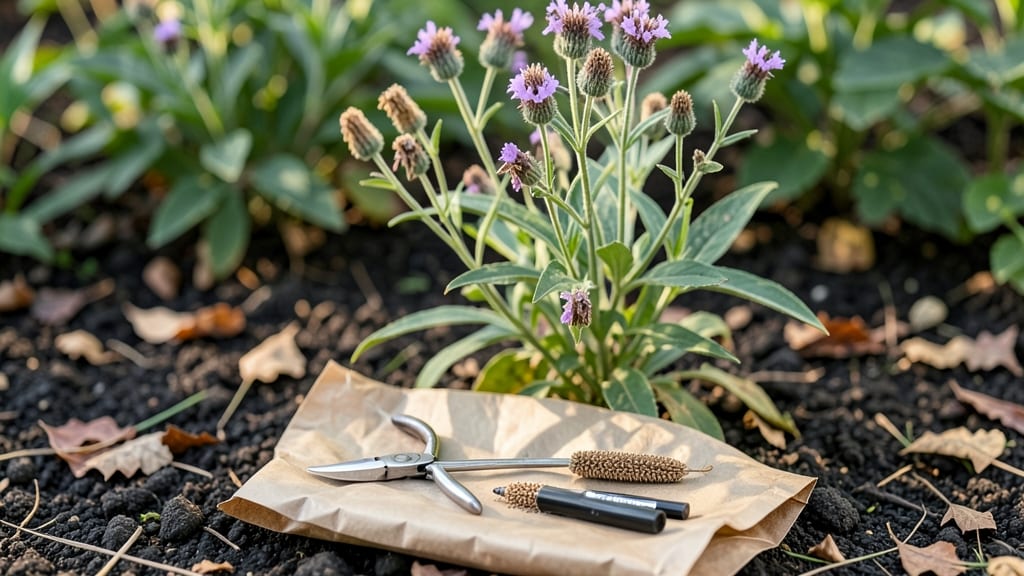
Harvesting verbena seeds at the right time turns last year’s blooms into next season’s vibrant 🌸 plants—but miss the window, and you’ll end up with nothing but crumbling stems.
Most gardeners assume they can wait until the flowers are fully brown, but the truth is, those dried seed pods need to be collected before they split open on their own.
That’s when you lose the seeds to the wind or birds, and all your hard work goes up in smoke.
In this guide, I’ll walk you through the exact moment to harvest—when the stems turn crisp and the pods rattle with seeds inside—and how to dry and store them so they stay viable for planting.
Whether you’re growing Verbena bonariensis for its towering spikes or Verbena officinalis for its medicinal properties, these steps will help you save seeds that actually grow into healthy new plants next year.

How to identify when verbena stems are ready for seed harvesting
Harvesting verbena seeds at the right time ensures strong germination rates for next year’s garden. The key lies in observing visual and tactile cues that signal maturity. Start by checking the flower clusters—they’ll transition from vibrant blooms to dry, papery seed heads.
This change often begins in late summer or early fall, depending on your USDA hardiness zone.
For Verbena bonariensis and other tall varieties, watch for brown stems that feel crispy to the touch. The leaves will also yellow and drop, leaving behind the seed pods.
In warmer climates (zones 8-11), this process may start as early as July, while cooler regions (zones 3-6) might see it in September or October.
Here’s a quick reference to help you spot the perfect moment:
| Cue | Appearance | Action |
|---|---|---|
| Stems | Dry, brown, and brittle | Harvest when stems snap easily |
| Seed Pods | Papery, light brown, and splitting open | Collect before seeds scatter |
| Leaves | Mostly fallen or yellowed | Remove remaining foliage |
| Flowers | Dried and crumbly | Shake pods gently to release seeds |
| Climate Note | Zones 3-6: Late summer/fall | Zones 8-11: Early summer |
Don’t wait until the seed pods burst open on their own—this can lead to seed loss. Instead, harvest when the pods are dry but still intact. For Verbena officinalis (common verbena), you’ll notice smaller, denser seed clusters compared to the tall varieties.
These may require a bit more patience, as they often take 2-3 weeks longer to mature.
Regional climate plays a huge role. In humid climates, stems may stay green longer due to moisture retention. If you’re in a dry region, the drying process accelerates—sometimes within 10-14 days after blooms fade.
Always check the seed pod texture: it should feel crispy, like dried paper, not soft or damp.
One pro tip: Harvest on a dry morning to avoid mold risks. Use clean, sharp pruning shears to cut entire stems (about 6-12 inches long) and hang them upside-down in a well-ventilated area. This mimics natural seed dispersal while keeping seeds contained for easy collection.
If you’re unsure, test a few pods by gently squeezing them. Viable seeds will rattle inside, while empty pods will feel hollow. This tactile check saves time and ensures you’re harvesting at peak readiness.
For annual verbena varieties, seed collection is straightforward—just follow the cues above. However, perennial types like Verbena canadensis may require additional care. These often need stratification (a cold period) to break dormancy, so note the harvest date and store seeds accordingly.
Timing isn’t just about the plant—it’s also about the seasonal calendar. In USDA Zone 7, aim for harvest between mid-August and early October. In Zone 10, you might extend this window until November.
Always account for first frost dates in your area to avoid losing seeds to cold snaps.
Once you’ve confirmed the stems are ready, act quickly! Seeds left too long on the plant may scatter or attract pests. With the right cues and a little patience, you’ll have a bountiful seed stash for next year’s vibrant verbena blooms. 🌸
Step-by-step process for harvesting and drying verbena seeds properly
Once your verbena plants have finished blooming and the stems turn a crisp brown color, it’s time to harvest those seeds. Proper timing ensures high germination rates and prevents mold during drying.
I’ve learned that Verbena bonariensis and Verbena officinalis both follow similar seed maturation patterns, but patience is key—rushing can ruin your seed stash.
Gather your tools: a pair of clean pruning shears, paper bags for collecting seeds, and a well-ventilated drying area. The goal is to harvest seeds when they’re fully mature but before they scatter naturally.
This usually happens 4-6 weeks after flowering, depending on your climate. If you miss this window, the seeds may drop to the ground and become less viable.
- Step 1: Identify Mature Seed Pods
Look for dry, brown seed heads that easily release seeds when gently rubbed between your fingers. Avoid harvesting if the pods are still green or moist. - Step 2: Cut Stems Cleanly
Use sterilized pruning shears to snip stems 1-2 inches below the seed head. Place them in a paper bag immediately to prevent seed loss. - Step 3: Separate Seeds from Stems
Once indoors, gently rub the seed heads over the paper bag to release seeds. Discard any remaining plant debris. - Step 4: Dry Seeds Properly
Spread seeds on a paper towel in a warm, dry place (70-75°F) with low humidity for 1-2 weeks. Stir occasionally to ensure even drying. - Step 5: Store Seeds Safely
Transfer dried seeds to an airtight container with a silica gel packet to absorb moisture. Label with the harvest date and store in a cool, dark place.
For Verbena officinalis, which is more delicate, I recommend drying seeds at room temperature for 10-14 days to avoid overheating. If your climate is humid, consider using a dehumidifier or a fan to circulate air.
Proper drying is critical—moisture causes mold, which can kill seeds before you even plant them.
After drying, test a few seeds by placing them in moist paper towels for 24 hours. If they swell slightly, they’re viable. If not, repeat the drying process or discard them. I’ve found that seeds stored this way remain viable for 2-3 years, so don’t rush the process!
Finally, label your containers with the verbena variety and harvest year. This saves time next season when you’re ready to replant. With these steps, you’ll have a reliable seed supply for future gardens, cutting costs and ensuring your favorite verbena varieties return year after year.