
How To
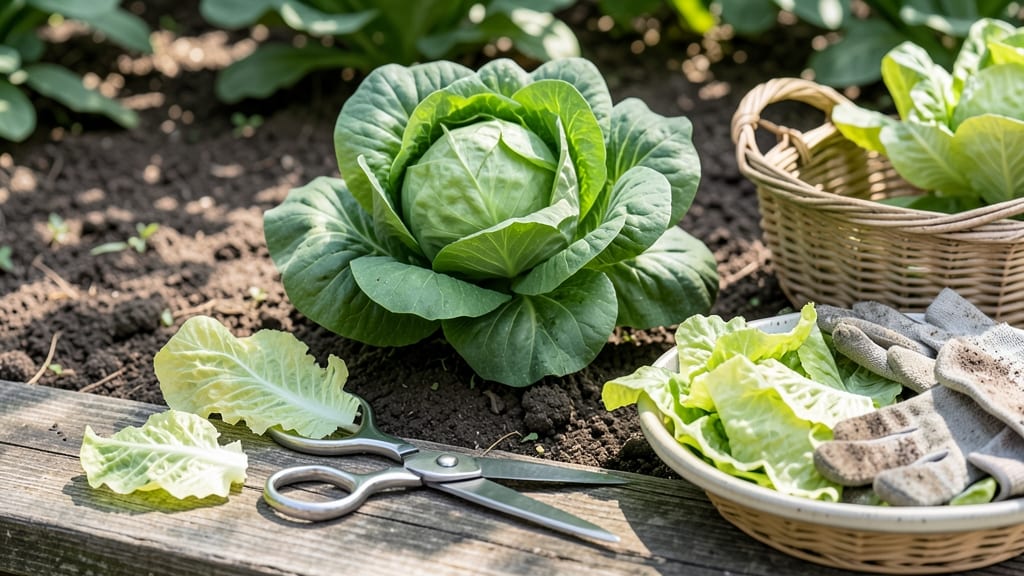
To harvest Bibb lettuce at its crispest, look for leaves reaching 4-6 inches with a deep green, vibrant color 🥬 — these are the telltale signs of peak freshness.
Harvesting Bibb lettuce at the right time ensures you get the sweetest, crispest leaves—but timing is everything. Miss the window, and you’ll end up with bitter greens or a wilted disappointment.
Most gardeners wait until the outer leaves are firm and sturdy, which usually happens around 30-60 days after planting in spring. This is when the flavor and texture are at their best.
Below, I’ll walk you through the exact steps to harvest your Bibb lettuce, including when to cut for regrowth and how to store it for maximum freshness.

3 Clear signs your Bibb lettuce is ready for harvesting
Knowing exactly when to harvest your Bibb lettuce can mean the difference between crisp, sweet greens and bitter, wilted disappointment. This delicate variety thrives on timing—too early, and you’ll have underdeveloped leaves; too late, and you risk bolting or tough texture.
The good news? Three simple visual and tactile cues will tell you when your lettuce is at its peak.
First, let’s address the ideal harvest window for Bibb lettuce. Most varieties reach maturity between 30 to 60 days after planting, but don’t rely solely on days in the ground.
Instead, focus on these three unmistakable signs that your lettuce is begging to be picked. These markers ensure you’re harvesting at the perfect moment for maximum flavor and texture.
- 1 Leaf Size: Outer leaves should measure 4 to 6 inches in length. For Bibb lettuce, this means the leaves are fully unfurled but still tender. Smaller leaves indicate the plant isn’t mature, while larger ones may be tough or bitter.
- 2 Color and Vibrancy: Look for deep green, vibrant leaves with no yellowing or browning. Pale or dull-colored leaves suggest nutrient deficiencies or stress, while overly dark green can indicate overmaturity. Healthy Bibb lettuce should have a rich, glossy appearance.
- 3 Texture and Firmness: Gently squeeze the outer leaves—ready-to-harvest Bibb lettuce should feel firm and crisp, almost snapping slightly when bent. Soft or floppy leaves mean the plant is overripe or stressed, while overly rigid leaves may be past their prime.
One common mistake I see is waiting until the entire head is fully grown before harvesting. While it’s tempting to let Bibb lettuce mature completely, this can lead to bolting (flowering) or tough, fibrous leaves.
Instead, I recommend harvesting the outer leaves first, leaving the inner rosette intact. This method allows you to enjoy multiple harvests from a single plant.
Another pro tip: Harvest in the morning when temperatures are cool. This ensures the leaves are at their crispest and most flavorful. Avoid harvesting after a hot day, as the lettuce can become limp and less enjoyable to eat.
If you notice your Bibb lettuce developing a tall, leggy stem or small yellow flowers, it’s already bolted—time to harvest immediately or compost the plant.
For container-grown Bibb lettuce, the same signs apply, but pay extra attention to root crowding. If the roots are tightly packed or circling the edges of the pot, the plant may be stressed, and the leaves could taste bitter.
In this case, harvest sooner rather than later to avoid compromising flavor. Always use clean, sharp scissors or shears to cut leaves just above the soil line for a clean harvest.
Finally, don’t ignore the visual cues of pests or disease. If you spot holes, yellow spots, or signs of slug damage, harvest the affected leaves immediately and address the issue to protect the rest of your crop.
Healthy Bibb lettuce should look plump, vibrant, and free of blemishes. When in doubt, trust your fingers—crisp, firm leaves are your golden ticket to a perfect harvest.
By mastering these three signs, you’ll never miss the peak harvest window for your Bibb lettuce again. The result? A steady supply of sweet, crisp greens straight from your garden to your table. Happy harvesting! 🥬
Step-by-step harvesting techniques for Bibb lettuce
Timing your Bibb lettuce harvest correctly is the secret to crisp, flavorful greens. The best time to harvest is in the early morning when leaves are cool and hydrated, ensuring maximum texture.
Avoid harvesting in the afternoon when heat can stress the plant and reduce quality. For container-grown Bibb lettuce, follow the same principles but adjust slightly for smaller root systems.
Your harvesting tools matter just as much as timing. Use a sharp pair of pruning shears or a clean knife to make precise cuts. Dull tools crush leaves and invite disease, so keep your blades sharp.
For container gardens, a small pair of scissors works perfectly, while garden-grown lettuce benefits from longer-handled shears for easier reach.
How to Harvest Bibb Lettuce
- 1 Check leaf size: Harvest when outer leaves reach 4-6 inches in length. Smaller leaves mean tender but less flavorful greens.
- 2 Trim from the base: Use clean shears to cut leaves 1/4 inch above the soil. This encourages regrowth and prevents damage to the inner rosette.
- 3 Leave the center intact: Never remove more than 1/3 of the plant at once. The inner leaves will continue growing if the core remains undisturbed.
- 4 Adjust for containers: For container-grown Bibb lettuce, harvest every 2-3 weeks to prevent overcrowding. Smaller pots may need more frequent thinning.
- 5 Store properly: Rinse harvested leaves in cool water, dry thoroughly, and store in a perforated plastic bag in the fridge for up to 7 days.
After harvesting, Bibb lettuce regrowth depends on proper care. Water the plant immediately after cutting to replenish moisture lost during the process. For garden-grown lettuce, mulch around the base to retain soil moisture and prevent weeds.
Container-grown plants may need slightly more frequent watering, as their root systems are more exposed.
Watch for bolting signs like tall stems or flower buds after harvesting. If your lettuce starts bolting, it’s past its prime for regrowth. In this case, harvest the remaining leaves quickly and replace the plant if you want a second crop.
Bolting is often triggered by heat stress or drought, so keep your plants well-watered and in partial shade during hot days.
With the right technique, you can enjoy multiple harvests from a single Bibb lettuce plant. The key is consistency—harvest outer leaves regularly, maintain even moisture, and protect from extreme temperatures. Soon, you’ll have a steady supply of crisp, homegrown greens all season long! 🥬