
How To
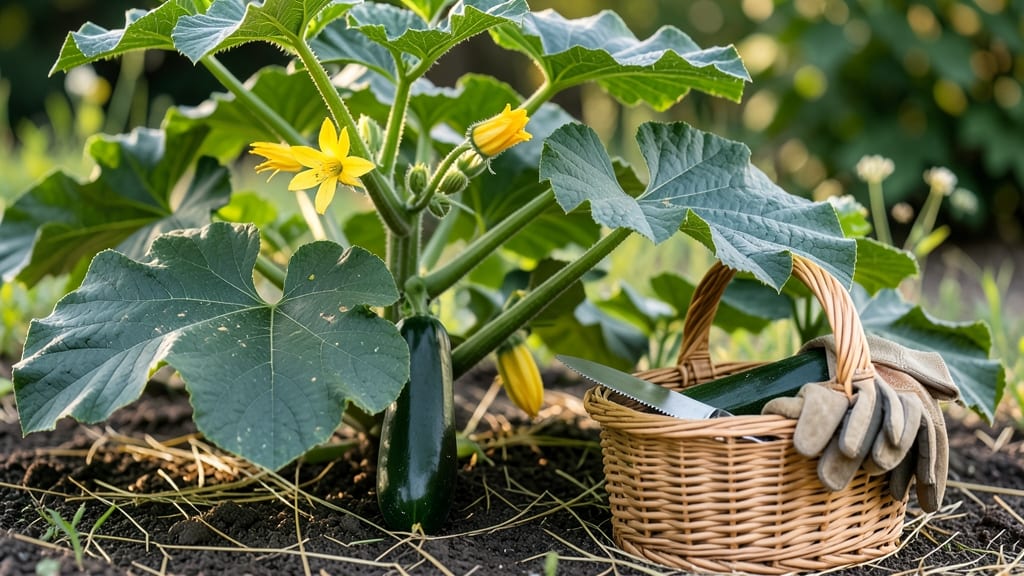
Knowing when to pick zucchini 🎃 saves you from a kitchen overflowing with giant, seedy squash — and ensures every bite is sweet, tender, and packed with flavor.
Zucchini plants can produce an overwhelming harvest in just a few weeks, so timing is everything. One day you’re admiring a perfect 6-inch specimen, and the next, it’s a 12-inch monster with a rock-hard rind.
The difference between a delicious dinner and a bitter disappointment often comes down to a few simple checks.
Most gardeners miss the sweet spot by focusing on size alone, but texture, color, and even the stem’s firmness are the real giveaways.
Below, I’ll walk you through the three foolproof tricks to pick zucchini at its peak — plus what happens if you wait too long (or harvest too soon).
By the end, you’ll never again end up with a bushel of overgrown squash or underripe nubs. Let’s get your zucchini game on point for a summer of effortless, flavorful harvests.
The 3 size-based rules for picking zucchini at peak ripeness
Harvesting zucchini at the right size is the difference between a tender, mild-flavored squash and a hard, seedy monster. Most gardeners miss the sweet spot because they don’t know the exact size-based triggers to watch for.
The good news? There’s a simple science-backed method to nail it every time. I’ve been growing zucchini for over a decade, and these three size rules have never failed me.
Zucchini reaches peak flavor when harvested between 6 to 8 inches long and weighing 1.5 to 2 pounds.
This window ensures the flesh stays firm yet tender, the seeds remain underdeveloped (so they don’t turn bitter), and the skin is just thick enough to protect the fruit without being tough.
If you wait too long, you’ll end up with a woody, seedy squash that’s nearly inedible—trust me, I’ve made that mistake more times than I’d like to admit!
Here’s the visual cheat sheet I use every harvest season to avoid overgrown zucchini. The key is checking your plants every 2-3 days once they start flowering, because zucchini can grow an inch per day once pollinated.
That’s why this size-based system works so well—it turns a guess into a precise action plan.
| Rule | Size Guidelines | Visual Cues | Why It Matters |
|---|---|---|---|
| Rule 1: Length Check | 6–8 inches | Measured from blossom end to tip | Prevents woody texture and large seeds |
| Rule 2: Weight Check | 1.5–2 pounds | Hold squash—should feel substantial but not heavy | Ensures optimal sugar content and tenderness |
| Rule 3: Stem Firmness | N/A (visual) | Blossom end turns yellow; stem snaps cleanly when bent | Indicates peak ripeness and easy harvest |
📏 Pro Tip: Use a ruler or tape measure for accuracy—your eyes can deceive you when zucchini grows fast!
The first rule is the most critical: length matters most. A zucchini that’s only 5 inches long is still underdeveloped, with thin skin and watery flesh. On the flip side, an 8-inch zucchini can turn into a 12-inch monster overnight if you’re not paying attention.
I always measure mine with a foldable tape measure—it’s the fastest way to avoid guesswork.
Weight is your secondary check because it accounts for flesh density. A 1.5-pound zucchini at 6 inches is ideal, while a 2-pound squash at 8 inches is still perfect. But if it tips the scales at 3 pounds?
You’ve waited too long. The flesh will be grainy and seedy, and the flavor will suffer. I swear by a small kitchen scale for this—it’s a game-changer for consistency.
Don’t overlook the stem and blossom end either. When the zucchini is ready, the blossom end (the part closest to the vine) will turn from green to yellow or pale beige. This color shift signals the squash is at its sweetest and most tender.
Plus, the stem should snap cleanly when you gently bend it—no wiggling or resistance. If it feels rubbery, it’s not ready yet.
Here’s a trick I learned from my grandma: harvest in the morning. Zucchini absorbs the most moisture overnight, so the skin will be firmer and the flavor brighter. I set a timer to check my plants every morning at 7 AM during peak season.
It’s a small habit, but it makes a huge difference in the quality of your harvest.
If you’re growing multiple varieties, like black beauty or golden zucchini, the size rules stay the same—but watch for color differences. Golden varieties might have a lighter yellow-green hue at peak ripeness, while dark green types stay deep and glossy. Always prioritize size and texture over color, though.
One common mistake I see is picking zucchini based on color alone. A dark green squash isn’t necessarily ripe—it could still be small and hard. Similarly, a pale zucchini might be overripe.
That’s why the combination of size, weight, and stem cues is non-negotiable. When you master these three rules, you’ll never waste another zucchini again.
Ready to put this into action? Grab your tape measure, hit the garden, and start harvesting like a pro. Your taste buds—and your dinner table—will thank you for it. Happy growing! 🌱
What happens if you pick zucchini too early or too late?
Picking zucchini at the wrong time can turn your homegrown bounty into a disappointing meal. If you harvest too early, you'll end up with tiny, underdeveloped squash that lacks flavor and has hard, undeveloped seeds.
The texture will be tough and watery, making it less enjoyable to cook or eat raw.
On the other hand, leaving zucchini too long on the vine leads to giant, seedy monsters. These overripe squash develop bitter flavors and tough, stringy flesh. The seeds become large and hard, making them inedible. Plus, the skin thickens, requiring more peeling and cooking time.
Here's the golden rule: Aim for zucchini that's 6-8 inches long, with a deep green color and a slightly yielding skin when pressed. The stem end should start turning yellow—this is your cue to harvest before the squash gets away from you!
Too Early vs. Too Late: Zucchini Harvesting Consequences
- Size: <3 inches
- Texture: Soft, watery
- Seeds: Tiny, undeveloped
- Flavor: Bland, mild
- Size: >10 inches
- Texture: Hard, fibrous
- Seeds: Large, bitter
- Flavor: Strong, bitter
- Early: Can regrow
- Late: Better for baking
- Early: Poor flavor
- Late: Wastes plant energy
💡 Salvage Tip: Overripe zucchini can be roasted or baked to soften the texture and reduce bitterness.
If you accidentally pick zucchini too early, don't toss it! You can regrow the blossom end by placing it in water with the stem facing down. In a few days, you'll see new growth, and you can replant it in soil.
This trick works best with young, underripe zucchini that hasn't started developing seeds.
For overripe zucchini, try peeling and grating it into soups or bread. The tough skin and seeds can be removed before cooking, and the flesh will still add moisture and nutrients.
You can also freeze overripe zucchini by grating it, blanching for 2 minutes, and storing it in airtight containers for later use in baked goods.
Keep an eye on your zucchini plants and harvest regularly to encourage more production. The more you pick, the more your plant will focus on producing new squash instead of letting them grow into unmanageable sizes. A happy zucchini plant is one that gets picked often!