
How To
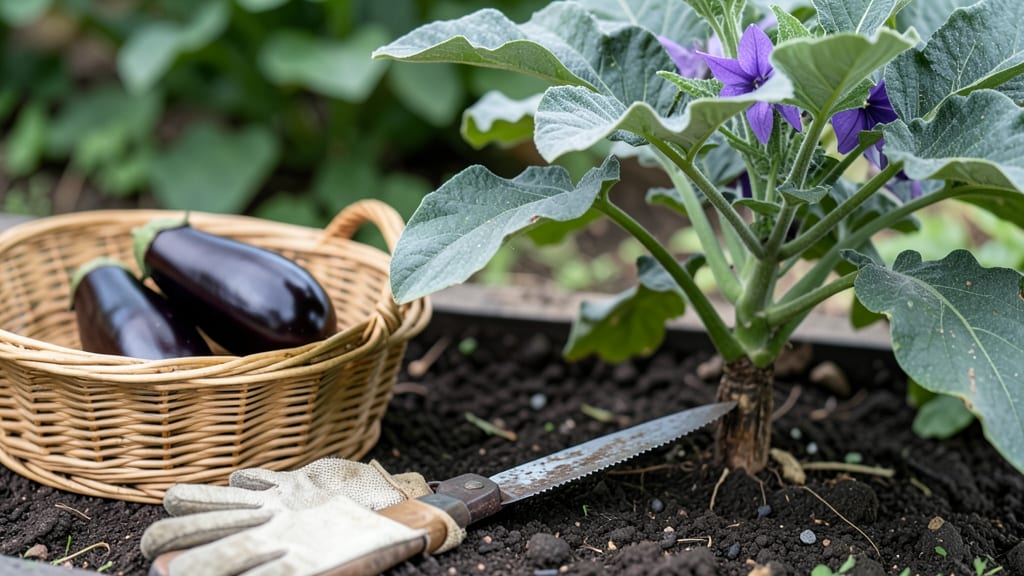
Harvesting Black Beauty eggplant at the right time ensures you get that glossy, tender fruit you’ve been waiting for — and skipping this step means tough, seedy disappointment.
Picture this: you’ve nurtured your 🍆 plants all season, and now the fruit is the size of a baseball but still pale and soft. That’s a classic sign you’re harvesting too early — or worse, too late, when the skin turns dull and the seeds swell.
The difference between perfect ripeness and regret comes down to a few key visual cues and timing tricks.
In USDA Zone 6a, Black Beauty eggplants typically reach harvest readiness between July and September, but the exact moment depends on color, size, and firmness. A deep purple glow, a firm skin that resists gentle pressure, and a clean snap at the stem are your green lights.
Miss these, and you’ll end up with fruit that’s either too bitter or too mealy for the best dishes.
Below, I’ll walk you through how to spot the ideal harvest window, avoid common mistakes, and keep your eggplants fresh for weeks after picking — so you can enjoy that restaurant-quality texture at home.
How to identify the perfect harvest time for Black Beauty eggplant
Harvesting your Black Beauty eggplant at the right moment transforms your garden bounty into a culinary masterpiece. These glossy purple-black fruits mature between 75-90 days after transplanting, but timing is everything.
A single day too early or late can turn your prized eggplant into a mealy, seedy disappointment—or worse, a tough, bitter mess. The key lies in mastering three visual and tactile cues: size, color depth, and firmness.
Start by checking the fruit size, which should ideally reach 4-6 inches in length. This variety rarely grows larger than 8 inches, so anything beyond that is likely overripe. Next, examine the skin color—it should transition from pale green to a deep, consistent purple-black hue.
A glossy sheen on the skin is another telltale sign of peak ripeness, indicating the fruit has reached its full sugar content and tenderness.
Here’s where most gardeners go wrong: they rely solely on color or size. But the firmness test is non-negotiable. Gently press the eggplant with your thumb—it should feel firm yet slightly yielding, like a ripe avocado.
If it dented easily, it’s underripe. If it feels rock-hard or the skin cracks under pressure, it’s past its prime. Pro tip: Check the stem—it should snap cleanly when bent, not tear or resist.
Don’t overlook the seed development stage, either. While Black Beauty eggplants are typically harvested before seeds fully mature, you’ll notice tiny white seeds forming inside. If the seeds are larger than 1/8 inch, the fruit is likely overripe.
The perfect harvest window is when seeds remain small but visible—a balance between tenderness and flavor.
| Harvest Cue | Specification | Action |
|---|---|---|
| Size | 4–6 inches long | Measure with ruler |
| Color | Deep, glossy purple-black | Inspect in sunlight |
| Firmness | Firm but yields slightly | Gentle thumb press |
| Stem Test | Snaps cleanly when bent | Twist gently at base |
| Seeds | Small but visible (≤1/8 inch) | Cut open one fruit |
Environmental factors can throw off your harvest timing, so pay attention to your local climate. In hotter regions, eggplants may mature faster—sometimes in as few as 60 days. Conversely, cooler summers can stretch the timeline to 90 days.
If you’re growing in containers, expect slightly slower maturation due to root constraints. Always harvest in the morning when temperatures are cooler, as this preserves the fruit’s texture and flavor.
One common mistake is waiting for the eggplant to reach its absolute darkest color. While deep purple-black is ideal, overripe fruits may develop a dull, matte finish and become fibrous.
Another red flag is a soft, spongy texture, which signals the fruit has absorbed too much water and lost its structural integrity. If you notice these signs, it’s time to harvest—even if the color isn’t perfect.
For continuous harvests, pinch off early blooms to encourage larger, fewer fruits. This technique delays maturation but ensures your remaining eggplants reach their full potential. Conversely, if you’re dealing with an overabundance of flowers, let some set fruit to avoid overwhelming the plant.
Balance is key—your goal is quality over quantity.
Once you’ve mastered these cues, harvesting becomes second nature. Use a sharp knife or pruning shears to cut the stem, leaving a 1-inch stub to prevent disease entry. Avoid pulling or twisting the fruit, as this can damage the plant.
Store your freshly harvested eggplants in a cool, dark place (like a pantry) for up to 5 days—though they’re best used within 2-3 days for peak flavor and texture.
With practice, you’ll develop an almost instinctive sense for the perfect harvest moment. That deep purple glow, combined with a firm yet yielding touch, becomes your golden ticket to restaurant-quality eggplants. Happy harvesting—your kitchen (and taste buds) will thank you! 🍆✂️
Common mistakes that ruin Black Beauty eggplant harvests (and how to avoid them)
Harvesting Black Beauty eggplants at the wrong time can turn your glossy deep purple gems into tough, bitter disappointments. Even experienced gardeners overlook subtle cues that signal overripeness or heat stress, leading to compromised texture and flavor.
Let’s dive into the common pitfalls and how to sidestep them for perfect harvests every time.
One of the biggest mistakes is waiting until the fruit turns completely black. While Black Beauty eggplants mature to a deep purple-black hue, harvesting at this stage often means the flesh becomes fibrous and seedy.
The ideal moment is when the skin is still glossy and firm, but the color has deepened significantly. Overlooking this can ruin your culinary results, especially for dishes where tenderness is key.
Another frequent error is harvesting during peak heat stress. When temperatures soar above 90°F (32°C), eggplants can develop a bitter taste and tough skin. If you notice your plants wilting or the fruit feeling spongy to the touch, it’s a red flag.
Harvest earlier in the day when the fruit is cooler and firmer. This simple adjustment preserves both flavor and texture.
🚨 callout warning 🚨
⚠️ Warning: Overripe Eggplants Are a Flavor Crime
Signs of overripeness: Skin turns dull, stem feels woody, and fruit shrivels slightly at the ends. Overripe eggplants develop bitterness and excessive seeds, making them unfit for most recipes. Harvest when the fruit is 4-6 inches long and still firm to the touch—this ensures the best balance of sweetness and tenderness.
🌱 Pro Tip: Use your thumb to gently press the eggplant skin. If it doesn’t dent, it’s ready to harvest!
Handling errors also play a role in ruining your harvest. Cutting the fruit from the plant with a dull knife or twisting it off can cause bruising or tearing, which accelerates spoilage.
Always use a sharp pruning shears or knife and cut 1-2 inches above the fruit to avoid damaging the plant. This small step prevents disease entry points and keeps your eggplants looking fresh.
Environmental factors like inconsistent watering can also throw off your harvest timing. Eggplants thrive with consistent moisture, but overwatering or drought stress can lead to uneven ripening. If your plants show signs of drooping or yellowing leaves, adjust your watering schedule immediately.
Aim for 1-2 gallons per plant every 3-5 days, and always water in the morning to reduce fungal risks.
Finally, storing harvested eggplants improperly can undo all your hard work. Once picked, keep them in a cool, dark place (around 50-55°F) and use them within 3-5 days for peak flavor.
If you need to store them longer, wrap each eggplant in paper towels and place them in a plastic bag with a few holes for ventilation. This simple trick extends their shelf life while maintaining freshness and quality.
By avoiding these common mistakes—harvesting at the wrong ripeness, ignoring heat stress, using improper tools, and mishandling storage—you’ll enjoy Black Beauty eggplants at their absolute best. Pay attention to the visual cues and environmental conditions, and your harvests will be glossy, tender, and flavorful every time. Happy gardening!