
Vegetables
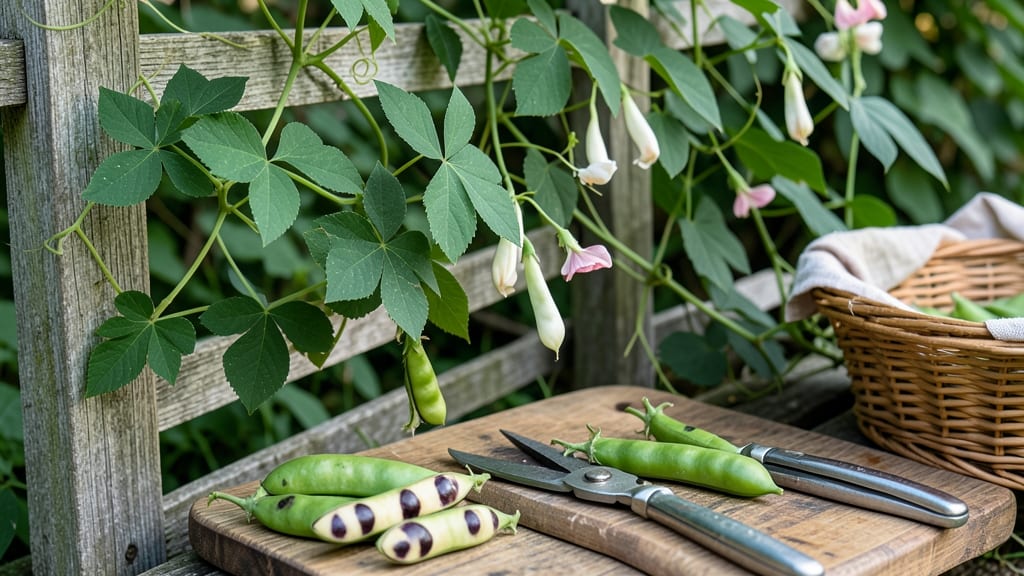
Harvest black-eyed peas when pods are 2-3 inches long and seeds darken inside 🌱 — timing this right means the difference between tender, flavorful pods and tough, shriveled seeds.
Picture this: you’ve nurtured your black-eyed peas all season, and now the moment of truth arrives. One wrong move, and those sweet, plump pods turn into dry husks. The key is watching for visual cues like deep green or purple color and pods that snap easily when bent.
You’ll also want to pay attention to environmental factors like temperature and frost risk. In USDA Zone 6a, where spring planting kicks off in April, pods typically reach harvest readiness by July—but that window shifts if summer heat arrives early.
Below, I’ll break down the exact stages to watch for, how to harvest without damaging your plants, and what to do with your haul once it’s in hand. No more guesswork—just perfect timing for your garden’s best yield.

Visual signs to harvest black eyed peas at the perfect stage
Harvesting black-eyed peas at the right moment ensures tender pods and flavorful seeds. The key lies in observing pod color, texture, and seed development.
Miss this window, and you’ll end up with woody pods or shriveled seeds. Let’s break down the exact visual cues to pick them at peak perfection.
First, focus on the pod size. Immature pods are small and pale, often under 1.5 inches. At the perfect harvest stage, pods should be 2–3 inches long and plump. Overripe pods stretch beyond 3.5 inches and become leathery, making them tough and unappetizing.
Next, examine the pod color. Young pods are light green, while mature pods deepen to dark green or purple. A vibrant hue signals readiness. If the pod’s color fades or turns yellowish-brown, it’s past its prime. Pay attention to vein patterns—prominent white veins indicate maturity.
Now, test the pod texture. Gently press a pod between your fingers. It should feel firm but slightly yielding, like a ripe green bean.
If it’s hard and resistant, it’s underripe. Conversely, if it feels soft or mushy, the seeds inside are overmature and may have already sprouted.
Listen for the snap test. Hold a pod near its middle and bend it slightly. A mature pod will snap cleanly with a slight crack.
If it bends without breaking, it’s too young. If it shatters easily, the seeds are overripe and may have started germinating inside the pod.
Check the seed visibility through the pod’s thin membrane. At the perfect stage, you’ll see fully formed seeds that are soft and plump. The black "eye" (a dark spot) should be clearly visible.
If seeds are tiny or translucent, the pod isn’t ready. If they’re shriveled or discolored, the pod has overstayed its time.
Watch for pod cracking, a sure sign of overripeness. When pods split open naturally, seeds inside may already be sprouting. Harvest before this happens to avoid losing your crop to self-seeding or pest attraction. If you spot cracked pods, prioritize harvesting the rest immediately.
Consider the plant’s growth stage. Black-eyed peas typically produce pods 60–75 days after planting. If your plants are flowering heavily and pods are forming rapidly, check them every 2–3 days. In hot climates, pods mature faster, so monitor them daily during peak summer months.
Environmental factors also play a role. Cool temperatures slow pod development, while heat waves can cause pods to mature too quickly. If frost is forecast within 2 weeks, harvest all remaining pods, even if they’re not fully mature.
Immature pods can still be blanched and cooked for a tender texture.
Finally, harvest consistently to encourage continuous production. Picking pods regularly signals the plant to produce more. Use clean pruners or sharp scissors to avoid damaging the vine. Always harvest in the morning when pods are cool and crisp for the best flavor.
| Pod Stage | Size | Color | Texture | Seed Condition | Action |
|---|---|---|---|---|---|
| Immature | Under 1.5" | Light green | Soft, flexible | No visible seeds | Wait 1–2 weeks |
| Perfect Harvest | 2–3" | Dark green/purple | Firm, yielding | Plump, soft seeds | Harvest immediately |
| Overripe | Over 3.5" | Yellowish-brown | Leathery, hard | Shriveled or sprouting | Avoid; harvest remaining pods |
Pro tip: Store harvested pods in a paper bag in the fridge for up to 5 days to maintain freshness. For long-term storage, dry seeds in a well-ventilated area until they rattle in the pod—then store in an airtight container in a cool, dark place.
By mastering these visual cues, you’ll transform your black-eyed pea harvest from hit-or-miss to consistently delicious. Happy harvesting! 🌱
Step-by-step harvesting process to maximize yield and quality
Harvesting black-eyed peas at the right time ensures tender pods and high-quality seeds. Start harvesting when plants reach 60-75 days after planting, depending on your variety.
The key is to pick pods regularly—every 2-3 days—to encourage more production. This prevents overripening and keeps your plants productive longer.
Use a sharp pair of pruning shears or your fingers to avoid damaging the vines. Always harvest in the morning when pods are cool and crisp, as this preserves their freshness.
Never pull pods forcefully, as this can harm the plant’s delicate stems. Instead, gently twist or snip them off cleanly.
Here’s your step-by-step guide to harvesting black-eyed peas like a pro:
Once you’ve mastered the harvesting rhythm, your black-eyed peas will reward you with abundant yields all season long. Remember, the more you harvest, the more your plants will produce—so don’t skip a beat! Keep an eye on new pods forming and adjust your schedule as needed.
If you notice fewer new pods appearing, it might be time to fertilize lightly or check for pests. A healthy plant will keep producing until the first frost, giving you plenty of time to enjoy your homegrown harvest. Happy picking! 🌱