
How To
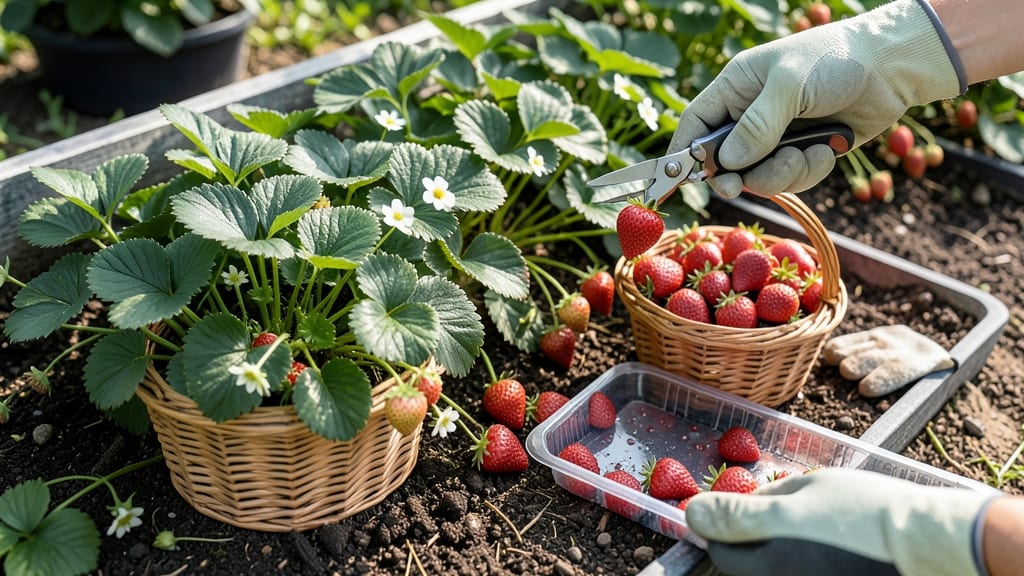
Harvesting strawberries takes between 60 to 90 days after planting, depending on your variety and climate — but getting that first sweet 🍓 can feel like waiting forever if you don’t know the right timeline.
If you’ve ever dreamed of plucking ripe, juicy strawberries straight from your garden, timing is everything—but how long do you really need to wait? The answer depends on whether you’re growing June-bearing, everbearing, or day-neutral varieties, and whether you planted in spring or fall.
For most gardeners in Zone 6a, spring-planted June-bearing strawberries (like Chandler or Jewel) typically produce their first harvest in 70 to 90 days, while everbearing types (such as Seascape or Albion) can start yielding in as little as 30 to 40 days after planting.
Fall plantings? Expect a delayed but rewarding harvest the following summer.
Below, I’ll break down the exact timeline for each variety, plus the key factors that can speed up or slow down your harvest—so you can plan your garden (and your patience) accordingly.

Strawberry growth timeline: month-by-month harvest expectations
Understanding the strawberry growth timeline is key to planning your harvest. Whether you're planting June-bearing, everbearing, or day-neutral varieties, the time from planting to first fruit varies dramatically.
For example, June-bearing types typically take 70-90 days to mature, while everbearing varieties can produce fruit in just 30-40 days under ideal conditions. Your climate zone and planting method (bare-root, potted, or runner plants) also play critical roles in determining when you'll enjoy that first juicy berry.
In USDA Zone 6a, where frost-free days average 165 days, spring-planted strawberries usually reach harvest readiness by late June to July. Fall plantings, however, may yield fruit as early as October or November, depending on the variety.
The key is aligning your planting window with your strawberry type—spring plantings for June-bearing or fall plantings for everbearing varieties to maximize yield.
For June-bearing strawberries, the timeline starts with planting in early spring (March-April). By late May, you’ll notice the first signs of flowering, followed by fruit set in early June.
The harvest typically peaks in late June to early July, but this can shift by 1-2 weeks depending on your last frost date and soil temperature. In Zone 6a, aim to plant 4-6 weeks before your last frost for optimal timing.
If you’re growing everbearing varieties, like Albion or Seascape, expect a faster timeline. These plants can produce fruit in as little as 30-40 days after planting, with harvests stretching from late spring through fall.
The trick is to plant them in both spring and fall to extend your harvest season. For example, a spring planting might yield fruit by June, while a fall planting could produce berries as late as October.
Day-neutral strawberries, such as Seascape or Ozark Beauty, are the fastest producers for continuous harvests. These varieties ignore daylight changes and produce fruit every 2-3 weeks once established. Plant them in early spring or late summer for a 45-60 day window to first fruit, with harvests lasting until first frost. Their ability to fruit regardless of day length makes them ideal for container gardening or small spaces.
Your planting method also impacts the timeline. Bare-root plants typically establish faster than potted strawberries but may take 10-15 extra days to show signs of growth. Meanwhile, runner plants (offspring from established plants) can produce fruit in the first year, though yields are smaller.
For container growers, use larger pots (12+ inches deep) to speed up root development and reduce transplant shock.
Don’t overlook the role of soil temperature—strawberries need soil to warm to at least 45°F (7°C) before planting. In cooler climates, use black plastic mulch or straw mulch to accelerate soil
How to speed up strawberry harvest time: proven tips for faster fruit
Want to enjoy your first strawberry harvest sooner? The secret lies in optimizing your growing conditions—starting with the right soil preparation. Strawberries thrive in soil with a pH between 5.8 and 6.5, rich in organic matter like compost or aged manure.
If your soil is heavy clay or sandy, amend it with 1-2 inches of compost before planting. This boosts nutrient availability and improves drainage, both critical for faster root development and fruiting.
Next, focus on sunlight exposure. Strawberries need at least 6-8 hours of direct sunlight daily to set fruit quickly. If your garden is shady, consider using reflective mulch or planting in raised beds near a south-facing wall.
I’ve seen strawberries mature 2-3 weeks faster in full sun compared to partial shade. Pair this with a drip irrigation system to deliver consistent moisture without wetting the leaves, reducing disease risk.
- 🌱 Choose fast-maturing varieties like Albion (everbearing) or Seascape (day-neutral), which harvest in 30-50 days after planting.
- 💧 Water deeply 1-2 times weekly (1 inch total) to encourage root growth and fruit set.
- ☀️ Maximize sunlight with south-facing beds or reflective mulch to boost photosynthesis.
- 🌿 Use straw mulch (2-3 inches) to retain moisture, suppress weeds, and protect berries from soil-borne diseases.
- 🌱 Fertilize lightly with 10-10-10 NPK at planting and again when flowers appear—avoid over-fertilizing, which delays fruiting.
Don’t overlook the power of mulching. A 2-3 inch layer of straw or pine needles keeps soil cool, retains moisture, and prevents weeds from competing for nutrients. I’ve noticed that mulched beds produce fruit 10-15 days earlier than unmulched ones.
For even faster results, try black plastic mulch in warm climates—it warms the soil and can jumpstart growth by 2 weeks in spring.
Selecting the right strawberry variety is another game-changer. Everbearing varieties like Ozark Beauty produce fruit in 40-60 days, while June-bearing types (e.g., Chandler) take 70-90 days.
If you’re in a short growing season, opt for day-neutral varieties like Seascape, which fruit continuously and mature faster in cooler weather.
Avoid these common mistakes that stall harvests: over-fertilizing with nitrogen (which promotes leaves over fruit), planting too deeply (crown should sit ½ inch above soil), or ignoring pests like slugs.
I once lost a batch of strawberries to slugs—now I use diatomaceous earth as a barrier. Also, prune old leaves in early spring to redirect energy to new growth and fruit production.
With these strategies, you can shave 2-4 weeks off your strawberry harvest time. Start with soil prep and sunlight, then refine with mulch and variety selection. Before you know it, you’ll be enjoying homegrown strawberries weeks ahead of schedule—and sharing the bounty with neighbors! 🍓