
Picking
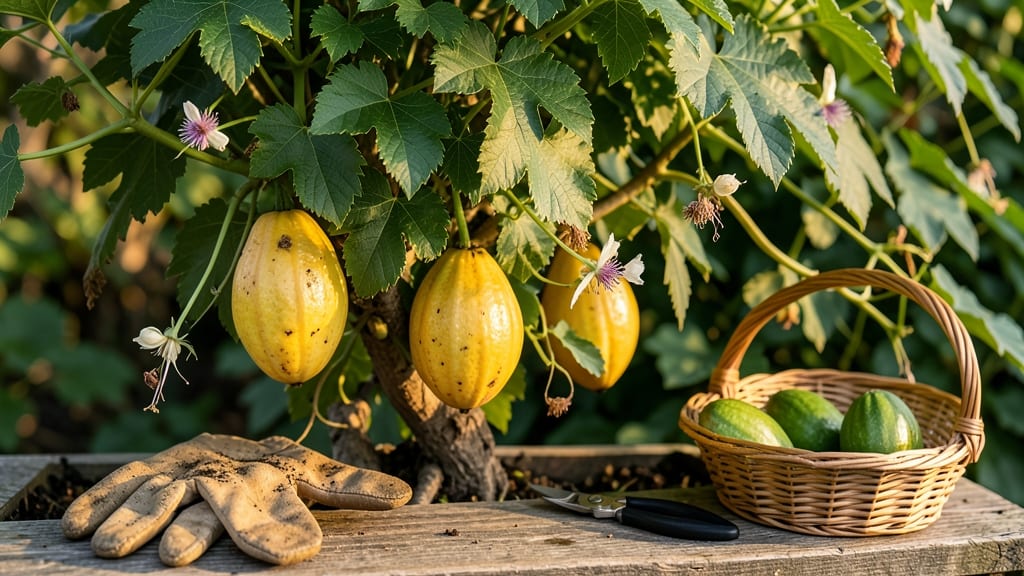
Harvesting passion fruit at the right time transforms tart, mealy pulp into sweet, juicy perfection 🍈—and the difference is all in the timing.
Picture this: you’ve waited months for those vibrant fruits to ripen, only to bite into something bland or even sour. That’s the frustration of picking too early—or worse, too late.
But here’s the good news: with a few simple cues, you can nail the exact moment when passion fruit is at its peak.
For tropical and subtropical growers in zones 10-11 (or 9b with protection), the harvest window typically falls between August and October, but climate and variety play a huge role.
We’ll break down the color changes, texture tests, and even scent clues that guarantee you’re picking at the perfect moment.
Once you master these tricks, you’ll not only enjoy sweeter fruit but also boost your plant’s yield for next season. Ready to turn your passion fruit harvest into a flavor victory?

Best time of year to harvest passion fruit for peak sweetness
Timing your passion fruit harvest is everything—picking too early means tart, mealy fruit, while waiting too long can turn sweet flavors into overripe mushiness. The key lies in understanding your climate zone and the fruit’s maturity cycle, which typically ranges from 60 to 90 days after flowering.
In my experience, temperature fluctuations play a huge role in sugar development, so knowing when to harvest is just as important as how to grow them.
Passion fruit vines thrive in tropical and subtropical climates, but even in temperate zones like USDA Zone 9b, you can still get a bountiful harvest with the right timing.
For example, in Florida or Hawaii, passion fruit ripens year-round, while in California or Australia, peak harvests align with warmer months. The goal?
Harvest when the fruit’s sugar content peaks and texture is firm yet yielding—this usually happens when the fruit is fully colored and slightly soft to the touch.
🌿
| Climate Zone | Best Harvest Months | Days to Maturity | Key Ripeness Cues | Temperature Ideal Range |
|---|---|---|---|---|
| Tropical (e.g., Florida, Hawaii) | Year-round (peaks spring-fall) | 60-75 days | Deep purple/yellow skin, slight give | 75-90°F |
| Subtropical (e.g., California, Australia) | August-October | 75-90 days | Color change + stem slip | 65-85°F |
| Temperate (e.g., Zone 9b with protection) | September-November | 80-90 days | Full color + soft texture | 60-75°F |
In tropical climates, passion fruit can ripen year-round, but the sweetest fruit typically appears during warmer months when temperatures stay consistently between 75-90°F. For example, in Florida, I’ve found that fruit harvested in spring and early fall has the highest sugar content.
Meanwhile, in subtropical zones like Southern California, the harvest window narrows to late summer and fall, aligning with the vine’s natural growth cycle after the heat of July.
Temperature is a critical factor in sugar development. Passion fruit needs consistent warmth to ripen properly—below 60°F, ripening slows or stops entirely.
In cooler climates, like Zone 9b, I recommend harvesting before the first frost (usually mid-November) or providing seasonal protection like row covers to extend the growing season. Even a few cold snaps can turn perfectly good fruit into a sour, seedy mess.
One common mistake I see is harvesting based on size alone. A large passion fruit isn’t necessarily ripe—it could just be overwatered or overfed. Instead, focus on color consistency and skin texture. For purple passion fruit, look for a deep, even hue with no green patches.
For yellow varieties, the skin should turn a vibrant golden color. If the fruit feels firm but yields slightly when gently pressed, it’s ready to pick. If it’s rock-hard or mushy, wait a few more days.
🌱
The flower-to-fruit cycle is another key factor. Passion fruit flowers open in the morning and must be pollinated within hours to set fruit. If you’re growing in a low-pollinator area, hand-pollinate with a small brush to ensure fruit development.
Once pollinated, count 60-90 days to maturity, depending on the variety. Purple passion fruit (Passiflora edulis) typically matures faster (60-75 days) than yellow passion fruit (Passiflora edulis flavicarpa), which can take up to 90 days. Tracking your planting dates helps you predict harvest times more accurately.
Overripe passion fruit is almost as bad as underripe—it becomes mealy, watery, and loses its aromatic complexity. To avoid this, I recommend harvesting every 2-3 days once the fruit starts changing color.
Store unripe fruit at room temperature to ripen naturally, but never refrigerate until fully ripe, as cold temperatures can ruin the texture. Once ripe, passion fruit keeps for 3-5 days in
How to identify the perfectly ripe passion fruit before picking
Picking passion fruit at the right moment transforms your harvest from bland to bursting with flavor. Unlike many fruits, passion fruit doesn't soften dramatically as it ripens—so you need to rely on visual cues and gentle tests instead.
I’ve learned the hard way that waiting too long means mushy fruit, while picking too soon delivers tart, underripe bites. Here’s how to nail that sweet spot every time.
Start by examining the fruit’s color. Purple passion fruit varieties should show deep, even purple hues with no green patches, while yellow varieties will turn a rich golden color. The skin should also feel slightly softer than when unripe, almost like a ripe peach.
Don’t confuse this with overripe—overripe fruit becomes too soft and may even wrinkle slightly at the stem end.
1. Color Change
Look for deep, consistent color—purple or yellow—with no green patches. Yellow varieties should be golden, not pale.
2. Skin Texture
Gently press the fruit—it should yield slightly like a ripe avocado, not feel hard or mushy.
3. Stem Separation
Grasp the fruit and twist gently—the stem should separate cleanly from the vine with minimal force.
4. Scent Test
Sniff near the stem—ripe fruit emits a sweet, floral aroma. No scent means it’s not ready yet.
5. Weight Check
A ripe passion fruit feels heavier for its size due to concentrated juice inside.
One of the biggest mistakes I see gardeners make is relying only on color. Some passion fruit varieties, especially purple ones, can stay greenish even when ripe if they’re shaded.
That’s why I always combine color checks with the stem twist test. If the stem doesn’t separate easily, the fruit isn’t ready—no matter how colorful it looks.
For yellow passion fruit varieties, the scent is your best friend. A ripe yellow passion fruit will smell sweet and tropical, almost like a mix of citrus and honey.
If you’re unsure, let it sit on your counter for another day or two—it’ll ripen further off the vine, but don’t leave it longer than 3-4 days or it’ll overripen.
Pro tip: Harvest in the morning hours when temperatures are cooler. This helps preserve the fruit’s freshness longer after picking. Store ripe passion fruit in a paper bag in the fridge to slow down ripening if you’re not using them immediately.
And remember—once picked, passion fruit won’t ripen further, so get it right the first time!
If you miss the perfect window and end up with overripe fruit, don’t toss it! Overripe passion fruit makes excellent smoothies or jams, though the texture will be softer. Just peel it carefully and use the pulp right away for the best results. 🍈