
How To
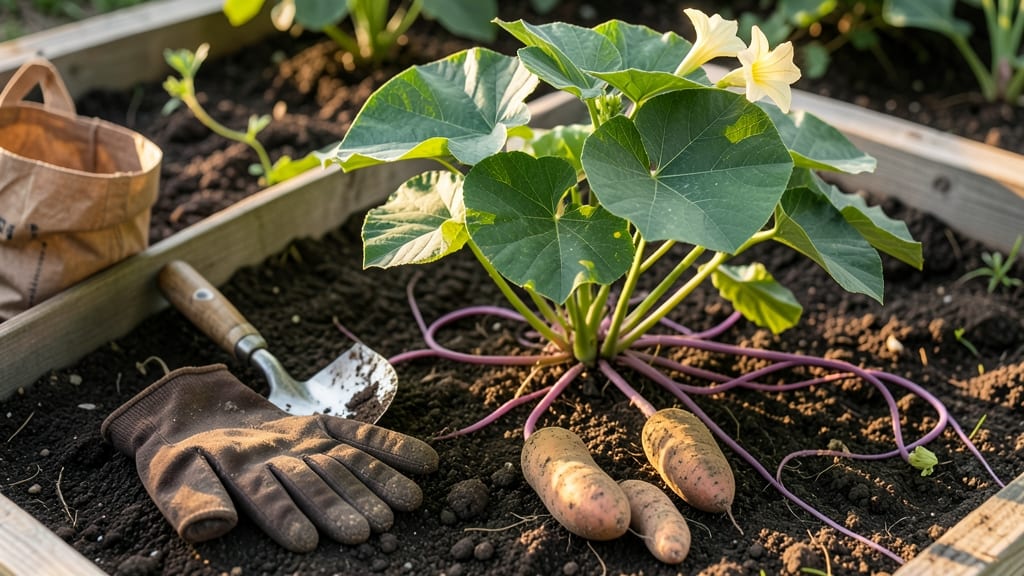
Harvesting sweet potatoes at the right time means the difference between tough, starchy tubers and sweet, flavorful ones that store for months.
Sweet potatoes are one of the most rewarding crops to grow—but timing their harvest is an art. Harvest too early, and you’ll get tough, starchy tubers; too late, and they’ll split or rot. Learn the exact signs to pull them at peak sweetness and flavor.
In Zone 6, where most gardeners plant slips between April 15 and June 15, the harvest window typically opens around September 15 and closes by October 31. But that’s just the start—what you really need to know is how to read the plant’s cues.
Below, I’ll break down the two key indicators (skin slippage and stem snapping) that tell you it’s time, plus how to adjust for early frost, drought, or uneven soil. No more guessing—just perfect timing every harvest.

Sweet potato harvest timeline: when skin slips & stem snaps signal readiness
Sweet potatoes thrive on patience—90 to 140 days after planting is their ideal window for harvest. But don’t rely solely on days in the ground. The two foolproof signs of readiness are skin slippage and stem snapping.
When the skin peels away easily from the flesh and the vines snap cleanly at the base, your tubers are primed for picking. These cues matter more than calendar dates, especially in shorter growing seasons where frost looms sooner.
Climate plays a starring role in harvest timing. In USDA Zone 6 (like much of the Midwest), sweet potatoes typically reach maturity between mid-September and late October.
But gardeners in Zone 9 or 10 (like Florida or Southern California) can extend the season until November or December, thanks to milder winters. For cooler regions, plan to harvest before the first frost, as even light frost can damage tubers still in the ground.
🌱 Key Takeaway: The 90-140 day range is a guideline, but local frost dates and variety-specific traits (like Beauregard maturing faster than Jewel) dictate your exact timeline. Always prioritize visual cues over days in the ground.
Let’s break down the 90-140 day window into actionable phases. By day 60, your sweet potato vines should be 1–2 feet tall, and small tubers (under 1 inch) may already be forming. This is when you’ll start seeing early signs of maturity, like the first yellowing leaves.
However, don’t harvest yet—these tubers will be woody and underdeveloped. Patience is key; wait until day 90 for the real magic to begin.
The 90–110 day mark is when most varieties hit their peak sweetness. Look for two critical changes: first, the skin will slip easily when you gently peel it back—this means the tuber has thickened and the outer layer is no longer tightly bound.
Second, the stem will snap cleanly when you tug it. If it pulls out with resistance or breaks unevenly, the tuber isn’t ready. This is your green light to harvest, especially in regions where frost is a threat.
In longer growing seasons (like Zones 8–10), you can safely extend harvesting until day 140. But watch for over-maturity signs: cracked skin, completely yellowed vines, or tubers that feel soft or mushy when pressed.
These are red flags that your sweet potatoes have overstayed their welcome in the soil. In shorter seasons, aim to harvest by day 110–120 to avoid frost damage, even if the tubers aren’t at their absolute maximum size.
Regional adjustments are everything. For example, in Zone 5 (like Minnesota or upstate New York), plant early-maturing varieties like Georgia Jet (90 days) and harvest by early October to dodge frost.
Meanwhile, in Zone 7 (like Texas or Virginia), you can grow longer-season varieties like Bonanza (120–140 days) and harvest as late as November. Always check your average first frost date and work backward from there.
Pro tip: If you’re unsure whether your sweet potatoes are ready, perform the "fingernail test"
How to test sweet potato maturity without digging: 3 non-destructive methods
Testing sweet potato maturity without digging is a game-changer for gardeners who want to avoid damaging tubers while ensuring peak flavor and texture. The key is observing plant behavior and environmental cues that signal readiness.
Different varieties like Beauregard (90-100 days) or Jewel (120-140 days) mature at different rates, so adapt your approach based on what you're growing.
Start by checking the leaf color and vine condition. Mature sweet potatoes often show yellowing foliage that gradually dies back, especially in cooler climates. This natural dieback indicates the plant is redirecting energy to tuber development.
For faster-maturing varieties like Beauregard, this happens around 90-100 days, while slower types like Jewel may take closer to 120-140 days.
- Leaf Color Shift: 90-100% yellowing leaves on Beauregard, 70-80% for Jewel (check 2-3 plants per variety).
- Vine Dieback: 50% of vines browned and crispy—ideal for Beauregard; 30-40% for Jewel.
- Soil Temp: Below 70°F at night signals tubers are nearing maturity in most regions.
Next, examine the vine dieback pattern. When 50% of the vines turn brown and crispy, it’s often a sign that tubers are ready for harvest.
For Beauregard, this typically occurs 2-3 weeks before the first frost in cooler zones, while Jewel may need an extra 1-2 weeks of vine dieback. Avoid harvesting if vines are still green—this means tubers are underdeveloped and won’t store well.
Soil temperature is another critical cue. Sweet potatoes mature faster when nighttime soil temps drop below 70°F. In warmer climates, this might happen naturally in late summer, while cooler regions may need to harvest before the first frost.
Use a soil thermometer to monitor temps—consistent readings below 65°F at night confirm it’s time to dig.
For varieties like Beauregard, combine these signs with a fingernail test on a few leaves. If the leaf resists piercing and feels tough, tubers are likely mature. Jewel, however, may need an extra 10-14 days of leaf toughening before harvest.
Always prioritize leaf condition over calendar dates—each plant variety has its own rhythm.
Finally, adapt your harvesting strategy based on regional frost risks. In Zone 6 or cooler, harvest Beauregard when vines die back 50% to avoid frost damage.
In Zones 8-10, wait until soil temps drop below 65°F at night, even if vines are still green. This ensures tubers reach full sweetness without splitting.
By mastering these non-destructive methods, you’ll harvest sweet potatoes at their peak—sweet, firm, and ready for storage. Start observing your plants now, and you’ll never guess again! 🍠