
How To
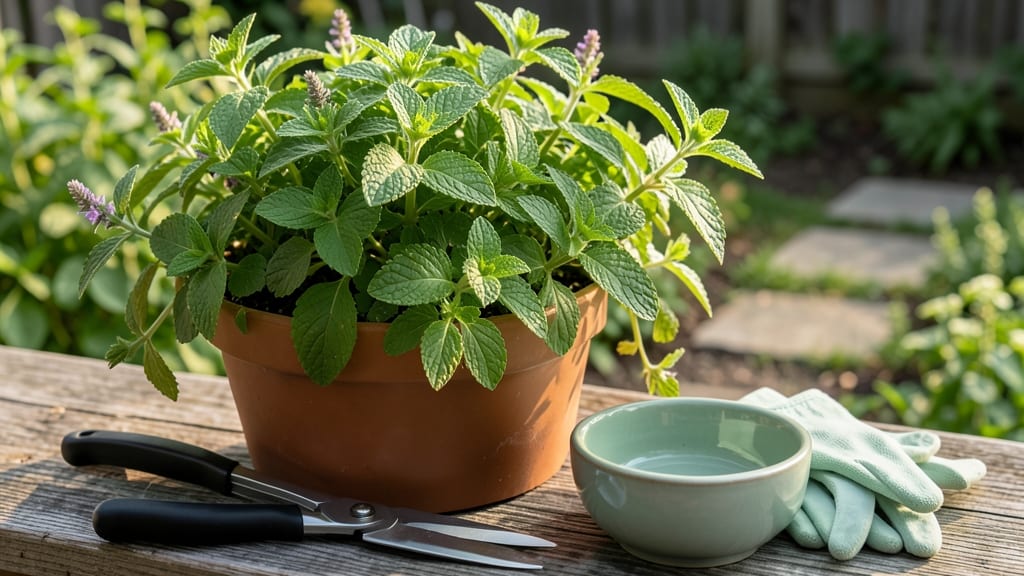
Harvesting a mint plant at the right time means stems snap easily 🌿—a clear sign your herb is ready for use without sacrificing future growth.
If you’ve ever wondered why your mint plant’s stems snap so easily, it’s not a flaw but a signal that your plant is thriving and primed for harvesting. The best time to harvest is when the leaves are fully developed and aromatic, usually between June and September in most climates.
Knowing when and how to harvest ensures you get the freshest flavor while encouraging your mint to keep growing lush and full. Too early, and you’ll miss peak potency; too late, and the stems can become woody.
Below, I’ll walk you through the exact steps to harvest mint like a pro—plus how to store it for maximum freshness.
Whether you’re prepping for summer drinks or drying bundles for winter, these techniques will help you get the most out of your mint plant without overharvesting. Ready to start? Let’s dive in!

When to harvest mint: signs stems are ready (best time guide)
Harvesting mint at the right time ensures the best flavor and strongest regrowth. The perfect harvest window depends on leaf size, stem flexibility, and growth stage—not just calendar dates. If you’ve noticed your mint stems snap easily when gently pulled, that’s your plant signaling it’s ready!
This natural flexibility means the plant has stored enough energy to recover after pruning.
Seasonal changes also play a role in mint harvesting. Spring and early summer (June through August) are ideal because mint grows most aggressively during these months. However, late summer blooms can signal the end of the prime harvest window—once flowers appear, flavor and growth slow down.
Pay attention to these visual cues to avoid missing the best time to harvest.
For beginners, the most reliable sign is stem flexibility. When stems bend slightly and separate cleanly from the base, they’re ready. This happens when the plant is about 4-6 inches tall and leaves are fully developed.
Ignoring these signs can lead to woody stems or bitter-tasting leaves, which are less desirable for cooking or tea.
Wait until leaves are 2-3 inches long and fully green. Smaller leaves lack flavor intensity.
Gently bend stems—if they bend without snapping, they’re ready. If they break easily, wait 1-2 weeks.
Crush a leaf—if it releases a strong minty scent, it’s harvest-ready. Weak scent means it’s too early.
Harvest before buds form. Once flowers appear, flavor declines, and regrowth slows.
Prioritize harvests in June-August. Late summer harvests may yield smaller leaves.
Timing your harvests also affects regrowth speed. If you harvest too early (when leaves are small or stems are soft), you risk stunting the plant’s growth. Conversely, waiting too long (until stems become woody) reduces flavor and makes future harvests less productive.
Aim to harvest every 4-6 weeks during peak growing seasons to encourage bushier, more flavorful growth.
Another pro tip: Morning harvests work best because mint leaves contain the most essential oils early in the day. This means your freshly picked mint will have the strongest aroma and brightest flavor.
Plus, harvesting in the morning gives your plant time to recover before evening temperatures drop, reducing stress.
Seasonal shifts can trick even experienced gardeners. In cooler months (spring and fall), mint grows slower, so harvest less frequently. During hot summer days, increase frequency but watch for signs of stress like yellowing leaves or wilting.
Adjust your harvest schedule to match your mint’s natural growth patterns, and you’ll always have fresh, flavorful leaves on hand.
For container-grown mint, check stems twice a week during peak season. Potted plants often mature faster than in-ground varieties, so stay vigilant. If your mint is in a small container, harvest more frequently to prevent root-bound stress.
Larger pots or garden beds allow for slightly longer intervals between harvests, but always prioritize stem flexibility over size.
One common mistake is harvesting only the top leaves. This weakens the plant and leads to uneven growth. Instead, use clean pruning shears to cut stems just above a leaf node (where leaves grow).
This encourages new side shoots and keeps your mint bushy. Think of it like giving your plant a haircut—trim evenly for the best results!
Finally, store harvested mint properly to preserve its freshness. Bundle stems and hang them in a dry, dark place for 1-2 weeks, or lay them flat in a cool spot.
Proper storage ensures your mint stays aromatic and ready for use whenever you need it. With these tips, you’ll never waste a harvest again!
Step-by-step mint harvesting: how to cut without killing the plant
Harvesting mint correctly ensures your plant stays lush and productive. The key is to use the right techniques—like cutting at the proper stem angles and avoiding over-pruning—to encourage regrowth while preventing woody stems. With these methods, you’ll maximize your yield without harming your plant.
First, gather your tools: a pair of sharp pruning shears or clean scissors, and a bowl to collect your harvest. Avoid using dull tools, as they can crush stems and invite disease. Work in the morning when leaves are hydrated, making them easier to handle and preserving their flavor.
How to Harvest Mint: Step-by-Step
- Step 1: Identify healthy stems—look for ones with at least 4-6 inches of growth and vibrant leaves. Avoid cutting stems that are flowering or turning brown.
- Step 2: Use your pruning shears to cut stems at a 45-degree angle, about 1-2 inches above a leaf node. This encourages new growth from the node below.
- Step 3: Harvest 1/3 of the plant at a time to avoid stressing it. For example, if your mint is 12 inches tall, cut back stems to about 6 inches to maintain balance.
- Step 4: Rinse leaves under cool water to remove dirt, then pat dry gently with a paper towel. Store in an airtight container in the fridge for up to 1 week or dry for long-term use.
- Step 5: After harvesting, water your plant deeply to support recovery. Place it in bright indirect light to encourage rapid regrowth.
Regular harvesting actually boosts mint production by stimulating new growth. If you notice stems becoming woody or sparse, it’s a sign you’ve been harvesting too aggressively. Trim back lightly and increase watering to revive your plant.
For container-grown mint, avoid cutting more than 25% of the plant at once to prevent root stress. If your mint is in the ground, you can harvest more boldly, as it has more resources to recover. Always leave at least half the foliage intact to support photosynthesis.
With these techniques, your mint will stay vigorous and flavorful all season long. Happy harvesting—and enjoy that fresh, aromatic mint in your favorite dishes or teas! 🌿✂️💧