
How To
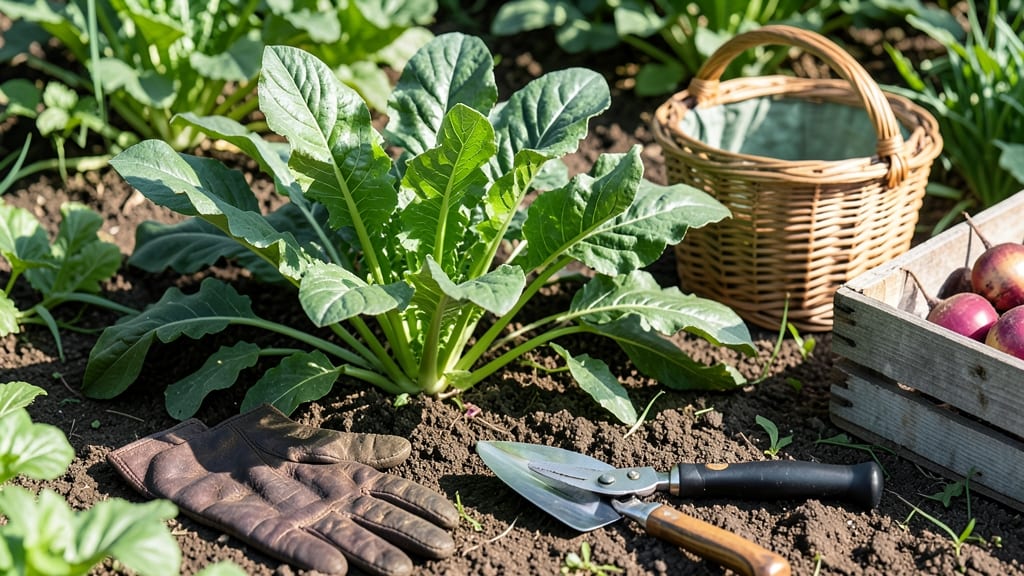
Harvesting and storing beetroot 🍠 at the right time turns your garden into a year-round pantry—if you know the tricks.
Picture this: you’ve nurtured your beets for months, and now the moment of truth arrives. Pull them too early, and they’re bitter and underdeveloped. Leave them too long, and they bolt or turn woody.
The sweet spot? When roots reach 1-3 inches in diameter and the greens start yellowing—like nature’s perfect cue.
But the real magic happens after harvest. Store them wrong, and those vibrant roots turn mushy or sprouty within weeks. Whether you’re prepping for the fridge, freezer, or fermenting jar, I’ll walk you through the best methods to keep them crisp and flavorful for months.
From identifying the ideal harvest time to mastering cold storage hacks, this guide ensures your beets stay as delicious in January as they were in July. Let’s dive in.

When and how to harvest beetroot for maximum sweetness and texture
Harvesting beetroot at the right moment transforms your garden into a sweet, earthy treasure trove. Baby beets (harvested early) pack tender crunch, while mature roots develop deeper flavor and vibrant color.
Timing matters—pull them too soon, and you’ll miss peak sweetness; leave them too long, and they’ll turn woody or split. I’ve learned through trial and error that visual cues and variety-specific guidelines are your best tools for success.
Most beet varieties reach harvest readiness in 50–70 days, but baby beets (like 'Baby Kardo' or 'Little Ball') can be ready in just 30–40 days. For full-sized beets, aim for 60–70 days after sowing.
The key is watching for foliage signs—when the leaves yellow and wilt slightly, it’s often time to harvest. But don’t rely solely on days; root size and color depth are equally important indicators.
🌱 Ready-to-harvest beets typically measure 1–3 inches in diameter and have a deep, consistent color (red, golden, or striped). If the roots feel firm and crisp when gently squeezed, they’re perfect. Overgrown beets (larger than 3 inches) can develop a woody texture and lose sweetness, so timing is everything. I’ve found that harvesting in the morning keeps roots crisp and prevents splitting.
| Variety Type | Harvest Time | Root Size | Visual Cues | Best For |
|---|---|---|---|---|
| Baby Beets | 30–40 days | 1–2 inches | Bright color, tender leaves | Salads, quick cooking |
| Mature Beets | 60–70 days | 2–3 inches | Deep color, firm texture | Roasting, storage |
| Heirloom/Long-Storing | 70–90 days | 3+ inches | Rich color, woody if overgrown | Winter storage |
To harvest beetroot without bruising, start by loosening the soil around the base with a garden fork or trowel. Gently wiggle the beet free—never pull it directly, as this can damage the root.
For large varieties, use pruning shears to cut the foliage 1 inch above the root to reduce moisture loss. I’ve found that dry soil at harvest time prevents mud from clinging to the roots, making cleanup easier.
Once harvested, remove excess soil with a brush or damp cloth, but avoid washing until ready to store or cook. Baby beets can be eaten whole, including greens, but for mature beets, trim the tops to ½ inch to extend storage life.
Leaving too much foliage accelerates moisture loss, leading to shriveling roots. Store harvested beets in a cool, dark place (like a root cellar or fridge) for up to 3 months.
One common mistake I’ve seen (and made!) is harvesting in wet soil, which leads to muddy, difficult-to-clean roots. Always wait until the soil is dry enough to crumble before pulling beets.
Another pitfall is ignoring variety-specific harvest times—some beets, like 'Chioggia' (with striped interiors), are best harvested slightly smaller for optimal flavor. Pay attention to your local climate too; cooler seasons slow growth, so adjust harvest timelines accordingly.
If your beets develop woody stems or bolt prematurely, it’s often a sign of heat stress or overcrowding. To prevent this, thin seedlings to 3–4 inches apart and provide consistent moisture.
Mulching with straw or grass clippings helps regulate soil temperature and retain moisture. For late-season harvests, consider covering plants with frost cloth to extend the growing period and delay bolting.
For long-term storage, cure harvested beets by placing them in a single layer in a well-ventilated area for 1–2 hours to toughen the skin. This step is crucial for preventing rot during storage. Once cured, store beets in sand or sawdust in a root cellar or fridge crisper drawer.
Properly stored, they’ll keep for up to 6 months, though flavor may mellow over time. Always check for soft spots or mold before storing—these are red flags for spoilage
Beetroot storage methods compared: cold storage hacks for freshness
Once you've harvested your beetroot at peak sweetness, proper storage is key to preserving that garden-fresh flavor. Different methods work better for short-term needs versus long-term preservation, and your choice depends on your household's size and beet variety.
Let's break down the best options—from simple fridge tricks to advanced root cellar techniques—to keep your beets crisp and vibrant for months.
For baby beets or golden varieties, which are more delicate, you'll want gentler storage methods. Meanwhile, heirloom or chioggia striped beets can handle slightly longer storage if prepared correctly.
The right technique not only extends shelf life but also maintains color and texture, so let's explore what works best for each scenario.
Beetroot Storage Methods Compared
Root Cellar
- Pros: Longest shelf life (up to 6 months)
- Cons: Requires space and humidity control
Best for: Heirloom and storage varieties like Detroit Dark Red
Fridge Storage
- Pros: Easy, no prep needed (3-4 weeks)
- Cons: Limited shelf life, risk of spoilage
Best for: Baby beets and golden varieties
Freezing
- Pros: Preserves nutrients, long-term (12 months)
- Cons: Texture changes after thawing
Best for: Overabundant harvests and smoothies
Fermenting
- Pros: Enhances flavor, probiotic benefits
- Cons: Requires time and monitoring
Best for: Red varieties and preservation enthusiasts
If you're lucky enough to have a root cellar or cool basement, this is the gold standard for storing beets. After harvesting, trim the greens (leave a 1-inch stem to prevent bleeding) and store them in sandboxes or wooden crates with slightly damp sand to maintain humidity.
This method keeps beets crisp for up to 6 months, making it ideal for heirloom varieties like Chioggia or Detroit Dark Red.
For those without a root cellar, your fridge is the next best option.
Simply wash and dry the beets, then store them in a plastic bag with a paper towel to absorb moisture. Baby beets and golden varieties last about 3-4 weeks this way, while larger beets may only stay fresh for 2-3 weeks.
Avoid washing until you're ready to use them to prevent spoilage.
When you have more beets than you can use in a few weeks, freezing is a great long-term solution. Peel and slice the beets, then blanch them for 2 minutes before shocking in ice water.
Pack them into freezer bags or airtight containers and store for up to 12 months. While texture changes slightly after thawing, they're perfect for soups, smoothies, or roasted dishes.
For a flavor-packed twist, try fermenting your beets. This method not only preserves them but also creates probiotic-rich pickled beets that last 6-12 months in the fridge. Use red varieties for the best color and flavor, and follow a simple brine recipe with 3% salt solution.
Fermented beets add a tangy crunch to salads and sandwiches, making them a pantry staple.
No matter which method you choose, always inspect your beets before storing and remove any that show signs of soft spots or shriveling. With the right technique, you can enjoy your homegrown beets from summer straight through winter—no soggy disappointments in sight! 🍠🌱