
How To
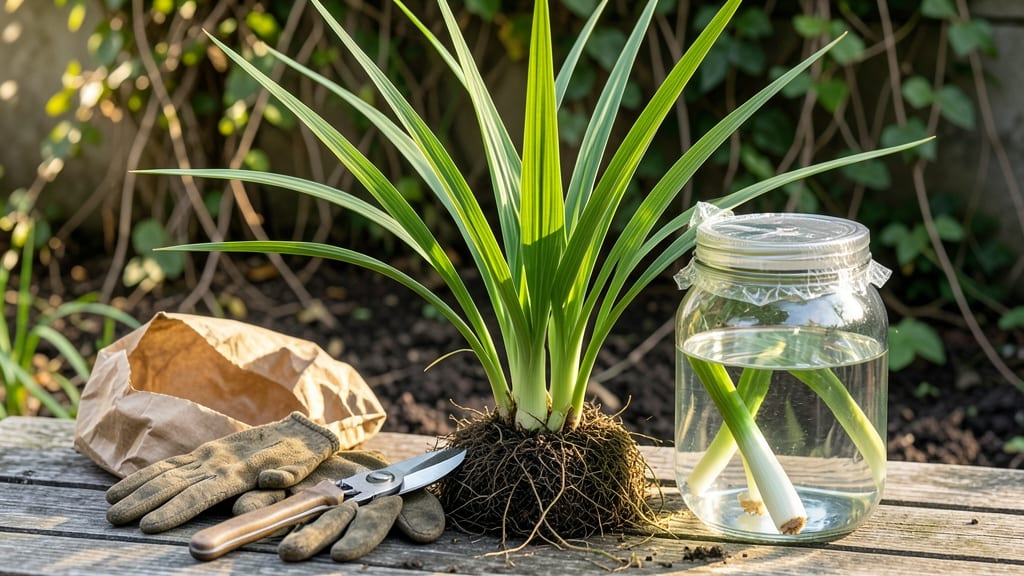
Harvesting and storing lemon grass 🌿 the right way keeps its bold flavor alive for months—no more wilted stalks or lost aroma in your spice drawer.
Struggling to keep your lemon grass fresh longer than a week? Discover the cut-and-regrow method that turns your single harvest into a year-round supply—while preserving peak flavor and potency.
This simple, step-by-step guide covers when to cut (hint: it’s not when it’s tallest), how to trim for regrowth, and the best storage tricks—whether you freeze, dry, or refrigerate.
By the end, you’ll have a continuous harvest system that saves money, space, and the frustration of buying wilted bundles from the grocery store.

Step-by-step guide to harvesting lemon grass without killing the plant
Harvesting lemon grass correctly is the secret to maintaining a year-round supply of this fragrant herb. Unlike many herbs that die back after cutting, lemon grass thrives when harvested properly—regrowing stronger and more flavorful with each trim.
The key lies in understanding when and how to cut it without damaging the plant's growth point or reducing its potency.
Lemon grass reaches its prime for harvesting when stalks are 12-18 inches tall and about ½-inch thick, with a strong lemon scent when crushed. This typically happens 60-90 days after planting, but continuous harvesting can extend this window indefinitely in frost-free zones.
The right tools and technique ensure your plant stays healthy while delivering the boldest flavor for your recipes.
⚠️ Critical Tip: Never cut the purple base of the stalk, as this is where new growth emerges. Always leave at least 2-3 inches of the base intact to encourage regrowth.
How to Harvest and Store Lemon Grass
- 1 Choose the right stalks: Select stalks that are 12-18 inches tall and ½-inch thick. Look for stalks with fully unfurled leaves and a strong lemon aroma when crushed.
- 2 Gather your tools: Use a sharp knife or pruning shears to make clean cuts. Avoid dull tools that can crush the stalk and invite disease.
- 3 Make the cut: Hold the stalk at a 45-degree angle and cut 1-2 inches above the base. Never cut into the purple bulb—this is the plant's growth center.
- 4 Remove lower leaves: Strip off the dry lower leaves from the stalk before storing. These leaves are less flavorful and can spoil faster than the fresh upper portions.
- 5 Store immediately: Place fresh stalks in a glass of water in the fridge or wrap them in a damp paper towel inside a plastic bag. This keeps them fresh for up to 2 weeks while maintaining their aroma.
- 6 Encourage regrowth: After harvesting, water the base of the plant and apply a light fertilizer to promote new growth. Your lemon grass should sprout new stalks within 4-6 weeks.
Timing your harvests is just as important as the technique. Aim to harvest every 6-8 weeks in the growing season to maintain a steady supply. In warmer climates, you can harvest year-round, while in cooler zones, focus on harvesting before the first frost.
Over-harvesting weakens the plant, so balance your needs with its recovery time.
For maximum flavor, always harvest in the morning when the essential oils are at their peak. The upper 6-8 inches of the stalk contain the most potent lemon aroma, so focus your cuts here.
If you're using the entire stalk, trim the bottom 2 inches (which can be tough) before cooking.
One common mistake is cutting too close to the base or damaging the growth point. The purple bulb at the bottom is where new shoots emerge, so protect it at all costs.
If you accidentally cut into it, your plant may take longer to recover or even die back. Always leave at least 2 inches of the bulb exposed after cutting.
After harvesting, rinse the stalks briefly under cool water to remove dirt, then pat them dry with a paper towel. Store them upright in a jar of water in the fridge for the freshest flavor, or freeze them whole for long-term use.
With the right care, your lemon grass plant can provide continuous harvests for years.
Pro tip: If your lemon grass starts producing flower stalks, trim them immediately. Flowering diverts energy away from leaf growth and reduces flavor intensity. Regular pruning keeps your plant focused on producing those aromatic leaves you love.
By mastering this cut-and-regrow method, you’ll never run out of fresh lemon grass again. Whether you're making curries, teas, or cocktails, you’ll always have the bright, citrusy herb at your fingertips—without sacrificing your plant’s health or flavor.
Best storage methods to preserve lemon grass flavor for months
Once you've harvested your lemon grass at the perfect 12-18 inch height, proper storage becomes key to maintaining that bright citrus aroma and bold flavor for months. Unlike many herbs that wilt quickly, lemon grass stores remarkably well when handled correctly.
The right method depends on how soon you'll use it and whether you prefer convenience or maximum freshness.
I've tested all three primary storage methods—refrigeration, freezing, and drying—and each has distinct advantages. For example, freezing preserves 90% of the essential oils for up to 6 months, while drying concentrates the flavor but changes the texture.
Let's compare your options to find the best fit for your kitchen routine.
Refrigeration
- Quick access for 1-2 week use
- Retains 80% freshness
- No prep required
- Limited to 7-10 days max
- Leaves may yellow
- Requires daily trimming
Freezing
- Preserves 90% flavor for 6 months
- Perfect for cooking and stews
- No texture loss
- Requires prep time (trimming)
- Not ideal for fresh garnishes
- Freezer burn risk
Drying
- Lasts 12+ months in airtight containers
- Concentrated flavor for teas
- No electricity needed
- Texture becomes brittle
- Less aromatic than fresh
- Requires 3-5 days to dry
For immediate use, refrigeration is my go-to method. Simply trim the harder bottom 6-8 inches of the stalk (discard the tough outer leaves), wrap in a damp paper towel, and place in a resealable plastic bag.
The moisture keeps it fresh for 7-10 days while maintaining that zesty aroma when you crush the leaves.
When planning ahead, freezing is the best long-term solution. After trimming, cut stalks into 2-inch pieces and blanch for 2 minutes in boiling water before shocking in ice water. Package in airtight freezer bags with all air removed.
This method locks in 90% of the essential oils, making it perfect for curries and marinades where you need that authentic lemon grass punch.
If you're preparing for winter storage or want to make lemon grass tea, drying is your best bet. Bundle 3-4 stalks together and hang in a dark, dry place for 3-5 days. Once completely dry, strip the leaves and store in glass jars.
The dried leaves will keep for 12+ months, though they'll be more potent than fresh—use sparingly in herbal blends or infused oils.
Pro tip: For maximum flavor retention, always store lemon grass without the tough outer leaves. These contain less essential oil and can make your stored herb taste bitter or dull.
Whether you choose refrigeration, freezing, or drying, proper preparation makes all the difference in preserving that bright citrus character you love.