
How To
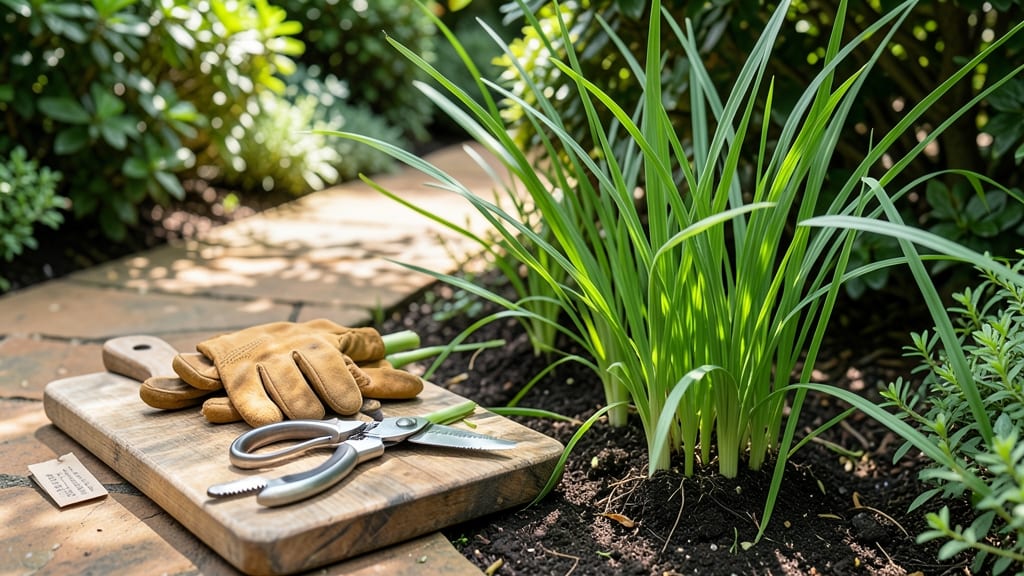
Harvesting lemon grass at the right time and with the right technique is the key to unlocking its bold, citrusy flavor 🌿 — and it’s easier than you think.
Picture this: you snap a stalk, and it releases that signature lemony aroma. That’s your cue—harvesting too early or too late can leave you with weak, bitter stems. The secret isn’t just timing; it’s knowing how to cut without killing the plant so you can keep harvesting for months.
Whether you’re growing lemon grass in warm climates year-round or waiting for that first 12-inch stalk in spring, this guide will show you exactly when to harvest, how to cut for maximum regrowth, and how to store it so the flavor stays fresh longer.
No more guessing whether your lemon grass is ready—just follow these simple steps, and you’ll be snapping off perfect stalks in no time.

When to harvest lemon grass: the snap-and-smell test
The perfect time to harvest lemon grass is when it’s mature but before it flowers—this ensures the brightest flavor and strongest aroma. I’ve found the snap-and-smell test is the easiest way to tell when your plant is ready.
A firm, crisp snap means the stems are packed with essential oils, while a mushy break signals overgrowth or poor health. Let’s break down the key signs to harvest at the ideal moment.
First, focus on the stem thickness. The outer stalks should be at least 0.5-inch thick and reach 12-18 inches tall. These stalks are the most flavorful and ready for cutting.
If you harvest too early, the stems will be thin and bland. If you wait too long, the plant may flower, reducing its potency and making the leaves tough and less aromatic.
Next, perform the snap test by gripping a stalk near the base and bending it gently. If it snaps cleanly with a slight resistance, it’s ready. If it bends without snapping or feels soft, it’s not mature enough.
This test helps you avoid harvesting stems that are still developing their full flavor profile.
Don’t overlook the aroma test. Crush a small section of the stalk between your fingers and inhale deeply. A strong, citrusy scent means it’s time to harvest.
Weak or no scent indicates the plant needs more time. This simple trick saves you from harvesting underripe or overripe stalks, both of which compromise flavor.
The growth stage also matters. Young plants (under 6 months old) should never be harvested—they need time to establish strong roots. Mature plants, however, can be harvested year-round in warm climates or from spring to fall in cooler regions.
I’ve seen my lemon grass thrive in USDA zones 9a-11, producing multiple harvests per year.
Here’s a quick visual guide to help you identify the best time to harvest:
| Stage | Stem Thickness | Height | Snap Test | Aroma | Action |
|---|---|---|---|---|---|
| Young Plant | <0.25-inch | <12 inches | Bends without snapping | Mild or no scent | Do NOT harvest |
| Mature Ready | 0.5-inch | 12-18 inches | Snaps cleanly | Strong citrus scent | Harvest outer stalks |
| Overgrown | >0.75-inch | >24 inches | Soft or hollow | Weak or no scent | Trim back to encourage regrowth |
| Flowering | Variable | Variable | Stems may break easily | Dull or earthy scent | Stop harvesting; prune flowers |
Harvesting at the right time also encourages regrowth. After cutting, new shoots will sprout from the base, giving you a second chance for another harvest in just 3-4 months.
I’ve seen my plants produce 3-4 harvests per year when cared for properly, making it a highly rewarding crop for any garden.
Timing your harvest correctly also prevents bitter flavors or woody stems, which are common when lemon grass is left to mature too long. Always prioritize the outer stalks first—they’re the oldest and most flavorful.
This selective harvesting keeps the plant healthy and ensures a steady supply of fresh, aromatic lemon grass all season.
Finally, avoid harvesting in extreme heat or cold snaps, as stress can alter the plant’s flavor. Early morning is the best time to harvest because the essential oils are most concentrated.
Store your freshly cut stalks in the fridge for up to 2 weeks or freeze them for long-term use.
With these tips, you’ll never miss the perfect harvest window again. Your garden will thank you with bold, citrusy stalks ready for soups, teas, or homemade remedies—all thanks to mastering the snap-and-smell test! 🌿
Step-by-step lemon grass harvesting techniques for maximum yield
Harvesting lemon grass at the right time ensures the most potent flavor and encourages your plant to keep producing. The key is patience—waiting until stems reach 12-18 inches tall and 0.5-inch thickness guarantees the best aroma and yield.
If you harvest too early, the flavor will be weak, and cutting too late can stunt regrowth.
Timing matters too. In warm climates (USDA Zones 9a-11), you can harvest year-round, but in cooler areas, focus on spring through fall when growth is most active. Avoid harvesting in winter or after frost, as the plant’s energy shifts to survival rather than producing new shoots.
How to Harvest Lemon Grass Like a Pro
-
Step 1: Wait for the Perfect Stem
Select stems that are 12-18 inches tall and 0.5-inch thick. These are mature enough for bold flavor but still flexible.
-
Step 2: Use Sharp Pruners or a Knife
Cut 1-2 inches above the base at a 45-degree angle to prevent water from pooling and causing rot.
-
Step 3: Leave 3-4 Healthy Shoots
Never remove more than 1/3 of the plant at once. Leave at least 3-4 sturdy shoots to keep the plant thriving.
-
Step 4: Harvest Outer Stems First
Always cut the outermost stems first to protect the plant’s center. This encourages new growth from the inner shoots.
-
Step 5: Store Properly for Freshness
Wrap stems in damp paper towels and store in a plastic bag in the fridge for up to 2 weeks, or freeze for longer storage.
-
Step 6: Encourage Regrowth
After harvesting, water the base deeply and apply a balanced fertilizer (10-10-10) to promote new shoots within 4-6 weeks.
One of my favorite tricks is the "snap test". Bend a stem—if it snaps cleanly with a slight resistance, it’s ready for harvest. If it bends without breaking, wait a few more weeks. This simple test saves you from harvesting stems that aren’t fully mature yet.
Seasonal timing also plays a role. In spring and summer, lemon grass grows aggressively, so you can harvest every 6-8 weeks. In fall, growth slows, so space harvests 8-10 weeks apart.
Always avoid harvesting when the plant is flowering, as this diverts energy away from stem production.
With these techniques, you’ll enjoy a continuous supply of lemon grass all year. Just remember: patience and precision are your best tools. Happy harvesting! 🌿✂️