
How To
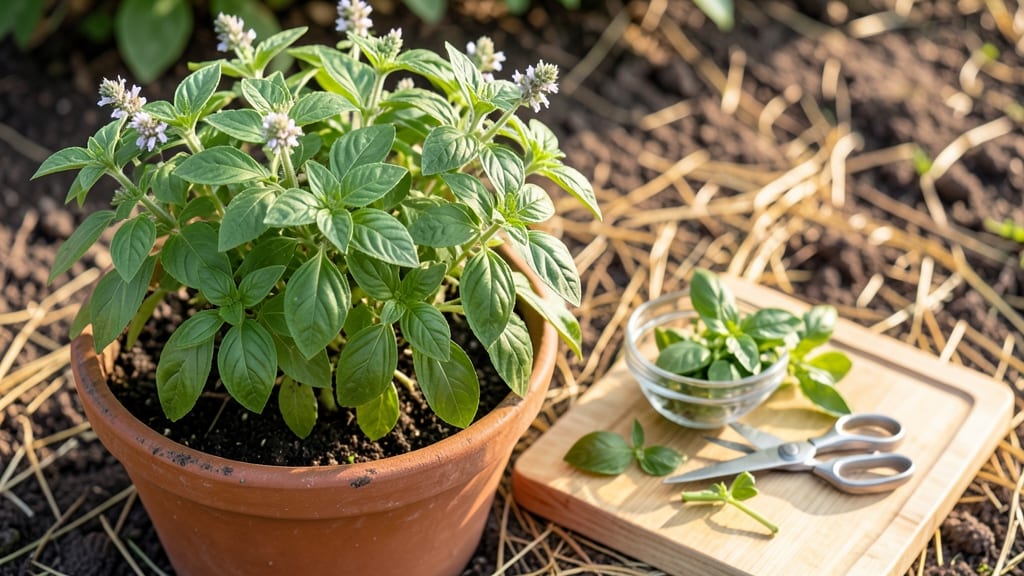
To harvest basil properly, focus on timing and technique—before it flowers and when leaves are fully mature for the best flavor and regrowth.
Your basil plant is thriving—but those curled leaves and strong, bitter smell mean it’s past time for a proper harvest. If you’ve ever snipped leaves only to see the plant struggle or the flavor fade, you’re not alone.
Harvesting at the right moment keeps your 🌿 basil bushy, flavorful, and productive. Below, I’ll walk you through the exact steps to revive your plant, from when to trim to how to store your harvest for maximum freshness.
You’ll also learn why those curled leaves happen and how to fix them—so you can enjoy garden-fresh basil all summer long without waste.

When and how to harvest basil for maximum flavor and growth
Harvesting basil at the right time ensures maximum flavor and encourages continuous growth. The key is to act before the plant flowers, as this shifts energy from leaves to seed production, making them bitter.
I’ve learned that timing and technique make all the difference—especially when those curled leaves appear or the aroma turns sharp. Let’s dive into the best methods to keep your basil thriving.
For peak flavor, harvest your basil in the morning after the dew has dried. This is when the essential oils are most concentrated. Avoid harvesting after heavy rain or late in the day, as this can dilute the flavor and increase the risk of fungal issues.
I always check for dark green, glossy leaves with a strong scent—these are your telltale signs of readiness.
How to Harvest Basil: Step-by-Step
- Step 1: Wait until your basil plant reaches 6-8 inches tall with at least 4-6 sets of leaves. This ensures the plant has enough energy to regrow.
- Step 2: Use clean, sharp pruning shears or your fingers to pinch off the top 2-3 sets of leaves. This encourages bushier growth.
- Step 3: For a larger harvest, trim stems just above a leaf node (where leaves meet the stem). Avoid cutting into woody stems—this stresses the plant.
- Step 4: Remove any flower buds immediately to prevent bitterness. Flowers signal the end of the plant’s leaf-producing phase.
- Step 5: Harvest regularly every 2-3 weeks to maintain a steady supply of fresh, flavorful leaves.
If your basil leaves start curling or develop a strong, bitter smell, it’s often a sign of overgrowth or nutrient deficiency. Curled leaves can also indicate heat stress or pest damage.
I’ve found that a light pruning session—removing some of the older, larger leaves—can stimulate new growth and restore the plant’s health. Always pair this with a check of your watering schedule and soil nutrients.
When harvesting, focus on the outer leaves first. These are typically older and less tender, allowing the younger inner leaves to mature. This method keeps your basil plant productive and prevents it from becoming woody or leggy.
I like to leave at least half the plant intact to ensure it continues growing vigorously.
Never harvest more than one-third of the plant at once, especially if it’s young. Over-harvesting can shock the basil and stunt its growth. I’ve made this mistake early on, and my plants took weeks to recover.
Patience and moderation are key—your basil will reward you with lush, flavorful leaves for months.
For container-grown basil, the same rules apply, but be extra cautious with root space. Overcrowded roots can lead to poor air circulation and disease. If your basil is in a pot, consider transplanting it into a larger container if it outgrows its current home.
This gives the roots room to expand and supports healthier growth.
After harvesting, rinse the leaves gently under cool water to remove any dirt or pests. Pat them dry with a paper towel and store them in the refrigerator for up to 5-7 days.
For long-term storage, consider drying or freezing the leaves. I’ve had great success with both methods—just ensure the leaves are completely dry before storing to prevent mold.
If your basil starts to bolt (send up flower stalks), it’s a clear sign to harvest aggressively. Once flowering begins, the leaves will lose their sweet aroma and become bitter.
At this stage, focus on harvesting as much as possible before the plant sets seed. You can also prune back the flower stalks to encourage a final flush of leaves.
Remember, consistent harvesting is the secret to a bountiful basil plant. By following these steps, you’ll enjoy fresh, aromatic leaves all season long—no bitter surprises here! 🌿
Why your basil leaves curl and smell strong (and how to fix it)
Your basil leaves curling and emitting a strong, bitter smell are classic signs your plant is stressed. This usually happens when your herb isn't getting the right care—whether it's too much water, not enough nutrients, or even heat stress.
The good news? These issues are fixable with simple adjustments to your growing routine.
First, check your watering habits. Overwatering is one of the most common causes of curled leaves and that unpleasant aroma. Basil prefers consistently moist soil but hates soggy roots. If your plant is sitting in waterlogged soil, it can't absorb nutrients properly, leading to those bitter-tasting leaves.
Another red flag is nutrient imbalance. Basil thrives on a balanced diet of nitrogen, phosphorus, and potassium. If your soil lacks these essential nutrients, your plant will struggle to produce flavorful leaves.
Look for yellowing leaves or stunted growth—these are clear signs it's time to feed your basil.
🌱 Warning: Overwatering Alert!
If your basil leaves are curling downward and smell rank, your plant may be drowning in water. Stick your finger 1 inch into soil—if it's soggy, reduce watering to every 3-4 days. Use a pot with drainage holes to prevent root rot.
Don't overlook heat stress as a possible culprit. Basil loves warmth but can suffer in extreme heat or direct afternoon sun. If your plant is wilting or leaves are curling upward, it might be overheating.
Provide some afternoon shade during peak summer months to keep your basil happy and aromatic.
Finally, inspect your plant for pests like spider mites or aphids. These tiny critters can cause leaves to curl and develop a bitter taste. Use a neem oil spray or insecticidal soap to treat infestations. Always check the undersides of leaves where pests love to hide.
To fix these issues, start by pruning your basil regularly. Cut back woody stems and encourage new growth by pinching off flower buds. This not only improves airflow but also helps your plant focus on producing flavorful leaves instead of seeds.
With the right care, your basil will bounce back with lush, fragrant foliage in no time!