
How To
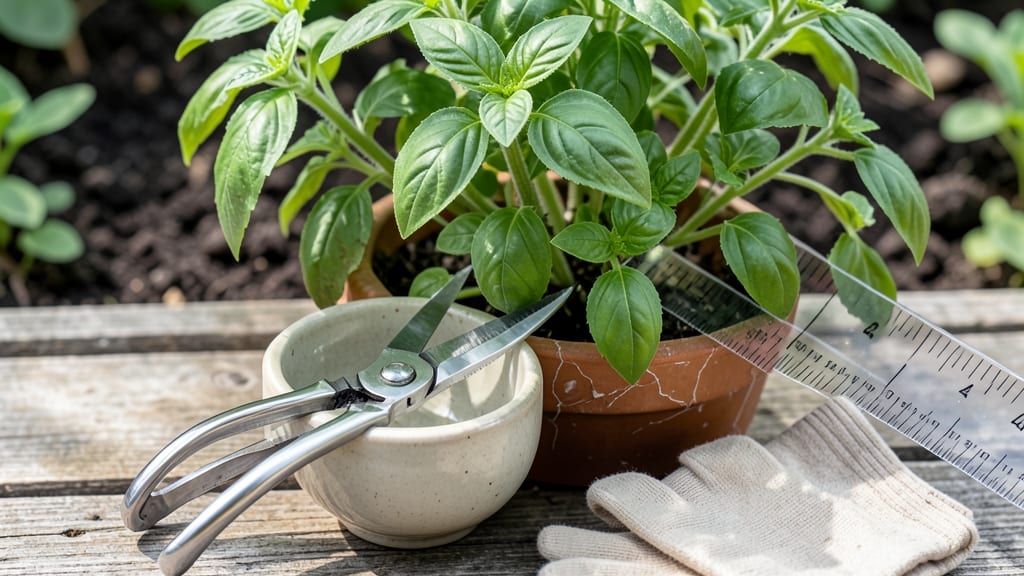
Harvesting basil the right way keeps it growing lush and productive all season—the key is pinching and pruning at the right spots.
Struggling to keep your basil thriving? The secret to a never-ending harvest isn’t just luck—it’s mastering the pinch-and-prune technique. Learn how to trim your basil the right way and watch it grow bushier, more flavorful, and ready for continuous picking all season long.
Too many gardeners make the mistake of cutting stems too low or harvesting too much at once, which stunts growth. By focusing on the top sets of leaves and encouraging new side shoots, you’ll ensure your 🌿 basil stays vigorous and productive.
In this guide, I’ll walk you through the exact steps to harvest basil without sacrificing its future growth, including when to start, how often to trim, and what to avoid to keep your plants happy and healthy.

The correct pinch-and-prune method for basil growth
If you've ever watched your basil plant grow leggy or flower too soon, you're not alone. The key to a continuous harvest lies in understanding how to pinch and prune correctly.
This method isn't just about cutting leaves—it's about encouraging your plant to grow bushier and more productive by stimulating new growth at the right spots.
Basil grows from nodes, which are the small bumps where leaves attach. When you pinch off the top set of leaves, you signal the plant to produce new branches from lower nodes. This creates a fuller plant with more leaves for harvesting.
The science behind this is simple: removing the apical bud (the top growth point) reduces competition for nutrients, allowing side shoots to thrive.
For best results, start pinching when your basil reaches 6-8 inches tall and has at least 4-6 pairs of leaves. This is when the plant has enough energy to recover from the pinch and grow new branches.
Avoid waiting until the plant flowers—once it bolts, the flavor declines, and the plant focuses energy on seeds instead of leaves.
Now, let's dive into the exact steps to follow for a thriving basil plant:
- 1 Wait until your basil is 6-8 inches tall with at least 4-6 pairs of leaves. This ensures the plant has enough energy to recover and branch out.
- 2 Use clean pruning shears or your fingers to pinch off the top set of leaves just above a leaf node (the bump where leaves grow). This encourages new branches to form from that node.
- 3 Remove no more than 1/3 of the plant in a single pinch. Over-pruning stresses the plant and can stunt its growth. Think of it as a haircut—you want to shape it, not shave it.
- 4 Pinch new growth regularly every 2-4 weeks to maintain bushiness. Focus on the outermost leaves first to keep the center of the plant open for airflow and sunlight.
- 5 Remove flower buds immediately to prevent bolting. Flowers signal the end of the vegetative growth phase, so snip them off as soon as they appear to keep your basil producing leaves.
- 6 Harvest leaves from the bottom up. Start with the lower leaves first to encourage upward growth. This also improves airflow to the base of the plant, reducing disease risk.
One of the biggest mistakes I see is cutting stems at the wrong angle or too close to the base. Always leave a leaf node intact when pruning—this is where new growth will sprout.
If you cut too low, you risk damaging the plant's ability to recover. Think of each node as a potential new branch waiting to grow.
Another critical tip is to harvest in the morning. Basil leaves contain the most essential oils (which give them their flavor) in the early part of the day. Plus, harvesting after watering ensures the plant has enough moisture to recover quickly.
If you're growing basil in containers, make sure the pot is large enough—root-bound plants struggle to recover from pruning.
Finally, don't forget to fertilize lightly after pruning. A balanced 10-10-10 fertilizer applied every 4-6 weeks during the growing season gives your basil the nutrients it needs to bounce back quickly. Avoid over-fertilizing, though—too much nitrogen can lead to leafy growth at the expense of flavor.
With these steps, your basil will stay bushy, flavorful, and ready for harvest all season long. The more you pinch, the more your plant will reward you with fresh leaves—just remember to balance pruning with patience.
Your plant will thank you with a never-ending supply of aromatic basil! 🌿✂️
When and how often to harvest basil for continuous yield
Timing your basil harvests correctly is the key to a thriving, long-lasting plant. Young seedlings need gentle handling, while established plants can handle more frequent trims. The goal is to encourage bushier growth by always cutting just above a leaf node—this triggers new side shoots.
For seedlings under 6 weeks old, avoid harvesting entirely and focus on proper sunlight and watering instead.
Once your basil reaches 6-8 inches tall and has 4-6 true leaves, it’s ready for its first pinch. This initial trim removes the top set of leaves and encourages the plant to branch out.
After this stage, you can start harvesting every 2-3 weeks during peak growing months (June-August), but adjust based on your plant’s health and your local climate.
- Wait until your basil is 6-8 weeks old and has at least 6-8 inches of height before harvesting.
- Use clean, sharp pruning shears or your fingers to pinch off the top set of leaves just above a leaf node.
- For established plants, harvest 1/3 of the plant at a time to avoid stressing it. Focus on the outer leaves first to encourage inner growth.
- Remove flower buds immediately to redirect energy to leaf production and prevent bitter flavors.
- Harvest every 2-3 weeks during active growth (spring-fall) and reduce frequency in late summer as growth slows.
- After heavy harvests, fertilize with a balanced 10-10-10 to support regrowth.
Seasonal adjustments are crucial for maintaining your basil’s health. In spring and early summer, your plant will recover quickly from harvests, so you can trim more aggressively. However, as temperatures rise in late summer, growth slows, and your basil may need 4-6 weeks between harvests to recover.
Always check for new leaf growth at the base before harvesting again.
Watch for signs your basil is ready for another trim: new leaves at the base, vigorous stems, and no wilting. If your plant looks leggy or sparse, it’s a sign you’ve been harvesting too much.
In this case, reduce frequency and focus on providing more sunlight and balanced fertilizer to encourage recovery.
Proper harvesting isn’t just about when you trim—it’s also about how you trim. Always cut just above a leaf node (the point where leaves grow from the stem) to stimulate new growth.
Avoid cutting into woody stems, as this can damage the plant permanently. With the right technique, your basil can produce continuous harvests for months!
Remember, the goal is to balance harvests with regrowth. If you follow these guidelines, your basil will stay lush, flavorful, and ready to harvest all season long. Happy gardening! 🌿✂️🌱