
How To
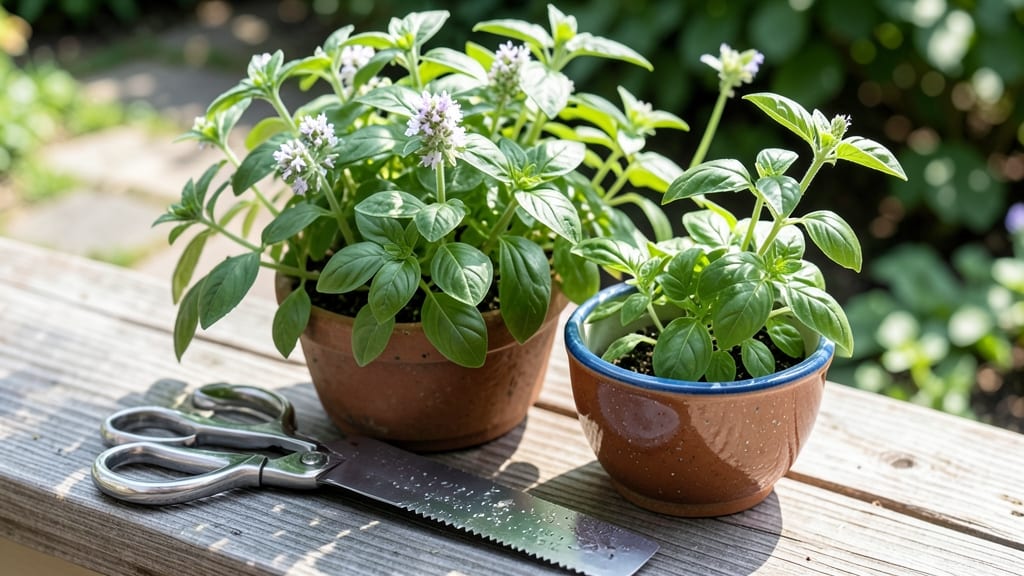
To harvest basil with pictures, start by pinching the top sets of leaves just above a leaf node—this simple technique ensures your plant stays bushy and keeps producing 🌿.
Fresh basil straight from your garden is the secret to restaurant-quality pesto, but harvesting it wrong can stunt growth and reduce your yield. Whether you're a beginner or a seasoned gardener, the exact leaf-by-leaf method ensures you get the most flavorful leaves without sacrificing future harvests.
Timing matters too—morning harvests deliver the most vibrant flavor, and knowing which leaves to pick (and which to leave) makes all the difference. Below, I’ll guide you through the step-by-step process, complete with visual cues to help you identify the perfect leaves.
You’ll also discover how to avoid common mistakes like over-harvesting or cutting stems incorrectly, which can weaken your basil plants. Plus, I’ll share tips for storing your freshly harvested basil to keep it fresh and flavorful for weeks.

Step-by-step leaf-by-leaf basil harvesting method with visual guide
Harvesting basil the right way ensures a steady supply of flavorful leaves while keeping your plant healthy and productive. The leaf-by-leaf method is gentle on the plant and encourages bushier growth, but timing and technique matter.
I’ve perfected this approach over years of growing basil—here’s how to do it without damaging your plants or sacrificing yield. The key is to pick the right leaves at the right time, using the proper tools and method to stimulate regrowth.
Before you begin, gather your harvesting tools. You’ll only need two: a pair of sharp pruning shears (for stems) and your fingers (for individual leaves). Avoid dull scissors—they crush stems and invite disease.
Work in the morning after dew dries for the freshest flavor and to reduce stress on the plant. If you’re harvesting for pesto or cooking, morning leaves pack the most aromatic oils and vibrant green color.
🌿 Step-by-Step Basil Harvesting Guide
-
Step 1: Identify Mature Leaves
Look for fully unfurled leaves (bottom 1/3 of the plant) that are dark green and glossy. These are ready for harvest. Avoid picking leaves still curled or small—they’re not flavorful yet. -
Step 2: Pinch or Cut Leaves
For individual leaves, pinch them off at the stem using your thumb and forefinger. For small stems, use pruning shears to cut just above a leaf node (where new leaves grow). Never cut into the main stem. -
Step 3: Harvest Strategically
Focus on the outer leaves first, leaving the inner leaves (closest to the stem) to grow. This encourages bushier growth and prevents leggy stems. Avoid taking more than 1/3 of the plant at once. -
Step 4: Use the "Rule of Thirds"
Harvest every 2-3 weeks to maintain plant health. If you harvest too frequently, the plant may bolt (flower), reducing flavor. In summer heat, you can harvest weekly, but always leave at least 2/3 of the plant intact. -
Step 5: Prune for Bushiness
When your basil reaches 6-8 inches tall, pinch off the top set of leaves to encourage branching. This creates a fuller, more productive plant with more harvestable leaves over time. -
Step 6: Post-Harvest Care
After harvesting, water the plant at the base to replenish moisture. Add a light fertilizer (like 10-10-10) if you notice slow regrowth. Place the plant back in full sun to recover quickly.
📸 Visual Tip: Imagine your basil as a pyramid—always harvest from the outer edges to maintain shape and health.
Timing your harvests is just as important as how you harvest. Basil thrives in warm weather, so focus on harvesting between June and September in most climates. In USDA Zone 6a, you can extend the season by harvesting until the first frost (around October 15).
If you notice your basil bolting (flowering) too early, it’s a sign you’re harvesting too aggressively or the plant is stressed from heat or drought.
One common mistake I see is harvesting only the largest leaves and leaving the smaller ones. This disrupts the plant’s natural growth cycle. Instead, prioritize balanced harvesting: take a mix of mature and semi-mature leaves to encourage even growth.
If your basil starts looking leggy or sparse, it’s time to adjust your harvesting frequency or provide more sunlight and water.
For container-grown basil, the leaf-by-leaf method works even better because you can’t risk over-harvesting in limited space. In pots, basil grows more slowly, so harvest evenly spaced leaves every 3-4 weeks instead of weekly.
Always use clean tools to avoid introducing bacterial or fungal diseases, which can devastate a small container plant.
Pro tip: If you’re growing basil for pesto or cooking, harvest leaves in the morning when their aromatic oils are at peak potency. Rinse them briefly under cool water to remove dirt, then pat dry with a paper towel.
Store them in a sealed container in the fridge for up to 5 days, or freeze them in oil or ice cube trays for long-term use.
Seasonal adjustments are key to keeping your basil productive. In summer’s peak heat, increase watering frequency and harvest more frequently to prevent bolting. In early fall, reduce harvesting as the plant prepares for dormancy.
If you’re in a mild climate, you might even get a second harvest in late fall before the first frost.
Remember, the goal is to harmonize harvest and growth. When done right, your basil plant will reward you with lush, flavorful leaves all season long. Start with these steps, and soon you’ll be harvesting basil like a pro—with a plant that looks as good as it tastes! ✂️🌿
Common harvesting mistakes that kill your basil plant (and how to avoid them)
Even the most enthusiastic gardeners can accidentally harm their basil plants with simple harvesting mistakes. Over time, these errors—like cutting stems improperly or ignoring leaf maturity—can weaken growth, reduce yield, and even kill your plant.
The key is knowing what to avoid and when to harvest for maximum regrowth and flavor.
I’ve seen woody stems and stunted basil bushes from common mistakes like harvesting too early or using dull tools. These issues don’t just affect the current harvest—they can ruin your plant’s long-term health. Let’s break down the top five mistakes and how to fix them before they become permanent damage.
⚠️ Harvesting Wrong Can Destroy Your Basil
Mistake #1: Cutting Stems Improperly
Never snip leaves individually—they don’t regrow from the leaf itself. Always cut above a leaf node (the point where leaves meet the stem) to encourage new growth. Wrong: Pinching off single leaves. Right: Trim stems just above the next set of leaves.
Another critical error is over-harvesting. If you take too many leaves at once, your basil plant won’t recover. A good rule is to never remove more than one-third of the plant in a single session.
For example, if your basil is 12 inches tall, limit yourself to harvesting just the top 4 inches of growth per trim.
Ignoring leaf maturity is another silent killer. Young, tender leaves are delicious, but harvesting them too early can leave your plant looking sparse. Wait until leaves are fully unfurled and glossy—this signals they’re ready. You’ll know they’re perfect when crushing a leaf releases that intense basil aroma.
Using dull or dirty tools can introduce diseases like bacterial spot. Always sanitize your pruners with rubbing alcohol before and after each use.
I keep a small bottle of alcohol in my gardening toolkit to wipe down blades quickly—it takes 10 seconds and prevents infections that can wipe out your entire crop.
Finally, harvesting at the wrong time of day reduces flavor and stress the plant. Always harvest in the morning after dew has dried but before the sun peaks.
This ensures the highest essential oil content and minimizes stress on your basil. Avoid harvesting in the evening, as damp leaves can develop fungal issues overnight.
By avoiding these five mistakes, your basil will stay healthy, flavorful, and productive all season long. The next time you reach for those pruners, remember: cut smart, harvest often, and always prioritize plant health over immediate yield.
Your basil will thank you with lush, aromatic leaves for months to come! 🌿✂️