
How To
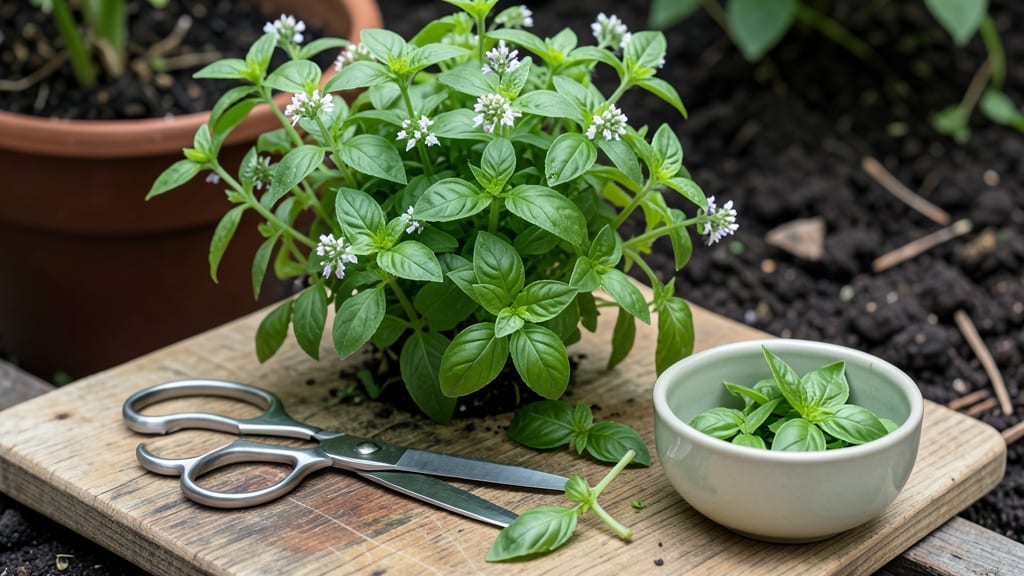
To harvest basil at the right time means pinching leaves every 3-4 weeks—not daily—as this rhythm keeps your plant thriving and your kitchen stocked with flavor.
Struggling to keep your basil thriving? The secret to lush, flavorful leaves lies in mastering the harvest cycle—pinch at the right time, and you’ll unlock a 3-week regrowth rhythm that turns scraggly stems into a bountiful harvest.
Too often, gardeners either over-harvest (leaving bare stems) or wait too long (triggering bitter flowers).
Here’s the game-changer: start harvesting once your basil reaches 6-8 inches tall, focusing on the top sets of leaves. This encourages bushier growth and prevents the plant from bolting (flowering) too soon. Whether you’re growing basil in pots or garden beds, timing is everything.
By following this fast, foolproof method, you’ll enjoy a steady supply of fresh basil all summer long—no more sad, leggy plants or wasted effort. Ready to transform your harvest? Let’s dive into the exact steps and seasonal tweaks that work.

The exact harvest frequency for maximum basil growth
If you've ever wondered why your basil grows slowly or tastes bitter, the answer likely lies in your harvesting schedule. Unlike many herbs, basil thrives on a structured 3-4 week cycle, not daily snips.
This rhythm prevents stress, encourages bushier growth, and delays flowering—the moment when flavor fades and stems become woody. Science shows that frequent harvesting actually stunts regrowth by disrupting the plant's energy balance.
Basil plants produce new growth from axillary buds (those tiny side shoots at leaf junctions). When you harvest too often, these buds don't mature enough to support vigorous regrowth. Instead, focus on selective pinching every 3-4 weeks to trigger a flush of new leaves.
This method works for both outdoor containers and indoor windowsill basil, though indoor plants may need slightly more frequent adjustments due to limited light.
For outdoor basil in full sun, aim to harvest every 3 weeks during peak summer (June-August). The extra sunlight and warmth accelerate regrowth, so you can push the cycle slightly.
Use a sharp pair of scissors to snip stems just above a leaf node—this ensures the plant redirects energy to new shoots. If you notice flower buds forming, harvest immediately to prevent bolting, which turns leaves bitter and stems tough.
Indoor basil, however, follows a slower 4-5 week cycle due to lower light levels. Place your pot in the sunniest window (south-facing) and supplement with a grow light if needed. Over-harvesting indoor basil can lead to leggy, sparse growth as the plant stretches toward light.
Always check for new leaf pairs before harvesting—this signals the plant has recovered enough to support another trim.
Seasonal adjustments are key to maintaining year-round basil. In spring and fall, when days are shorter, extend your harvest cycle to 4-5 weeks. During these cooler months, basil grows more slowly, and frequent harvesting can stress the plant.
Conversely, in summer's heat, basil can recover in as little as 2-3 weeks if given proper water and fertilizer. Monitor your plant's response and adjust timing accordingly.
One common mistake is assuming that more frequent harvesting equals more leaves. In reality, daily snips exhaust the plant, leading to stunted growth and poor flavor. Instead, think of each harvest as a pruning session that shapes the plant and stimulates new growth.
For example, if you harvest 1/3 of the plant every 3 weeks, you'll maintain a compact, productive basil bush for months.
To maximize flavor, always harvest young leaves in the morning after the dew has dried. Older leaves near the base tend to be more bitter, while the topmost leaves are the sweetest. If you notice a strong anise scent when crushing leaves, it's time to harvest—this indicates peak flavor.
Save the largest leaves for pesto or sauces, while smaller leaves work perfectly in salads or as garnishes.
Pro tip: Keep a harvest journal to track your basil's growth cycle. Note the date of each harvest, weather conditions, and how quickly new leaves appear. Over time, you'll develop an intuition for your plant's ideal rhythm.
For instance, my Genovese basil in containers regrows in 21 days during July but takes 35 days in May—adjusting my schedule accordingly has doubled my harvest yield.
Remember, the goal isn't to harvest as much as possible but to balance growth and recovery. When done right, your basil will reward you with lush, aromatic leaves for months, even through multiple harvest cycles.
With this 3-4 week rhythm, you'll avoid the heartbreak of a bolting basil plant and enjoy a steady supply of fresh, flavorful leaves all season long. 🌿
Step-by-step basil harvesting guide: when, where, and how to pinch
Harvesting basil correctly transforms your plant from a scraggly stem into a bushy, leafy powerhouse. The key? Pinching—not just snipping—at the right time. When you harvest every 3-4 weeks, you trigger regrowth, ensuring your basil stays lush and flavorful instead of woody or flowering.
Start when your plant reaches 6-8 inches tall with at least 4-6 true leaves, and always use clean, sharp scissors or fingers for precision cuts.
Before you begin, gather your tools: sterilized pruning shears, a small bowl for leaves, and a spray bottle of water (to refresh cut stems). Avoid harvesting more than one-third of the plant at once, or you risk shocking the basil.
Focus on the top sets of leaves—these are the growth points that will sprout new branches when pinched. The goal is to encourage bushiness, not strip the plant bare.
⚠️ NON-NEGOTIABLE STEP-LIST:
- Step 1: Wait until your basil has 6-8 inches of height and 4+ true leaves (not just seed leaves). This ensures the plant is strong enough to regrow.
- Step 2: Locate the top set of leaves (usually the 4th or 5th leaf from the bottom). These are your growth points—pinching here triggers branching.
- Step 3: Use clean fingers or pruners to pinch just above a leaf node (the bump where leaves meet the stem). This encourages new shoots to grow from that node.
- Step 4: Harvest every 3-4 weeks to maintain the 3-week regrowth cycle. In peak summer, you can harvest weekly if the plant is thriving and has recovered.
- Step 5: After harvesting, rinse leaves in cool water and pat dry. Store in the fridge (wrapped in a damp paper towel) for up to 5 days, or use immediately for maximum flavor.
One of the biggest mistakes I see is harvesting too early—when plants are still small or leggy. This stresses the basil and can lead to bolting (flowering), which turns leaves bitter. Another error? Pinching the wrong stems.
Always target the top growth points, never the lower leaves. If you accidentally pinch a stem below a leaf node, you’ll stunt growth instead of encouraging new branches.
For indoor basil, stick to the same 3-4 week cycle, but reduce frequency in low-light conditions (e.g., harvest every 5-6 weeks). Outdoor basil in full sun can handle more frequent harvesting—up to weekly during summer—because it recovers faster.
Just watch for signs of stress: yellowing leaves or slow regrowth mean you’re harvesting too often. Adjust your schedule to give your plant time to bounce back.
After your first harvest, your basil should branch out within 2-3 weeks, producing 2-3 new stems from the pinched node. If it doesn’t, check for underwatering, poor sunlight, or nutrient deficiencies.
A quick fix? Fertilize lightly with a balanced 10-10-10 mix and ensure it gets 6+ hours of sun daily. With the right care, your basil will reward you with continuous harvests all summer long.
Remember: Less is more with basil. The more you pinch correctly, the more your plant will reward you with flavorful, abundant leaves—not just a few straggly stems. Happy harvesting! 🌿