
How To
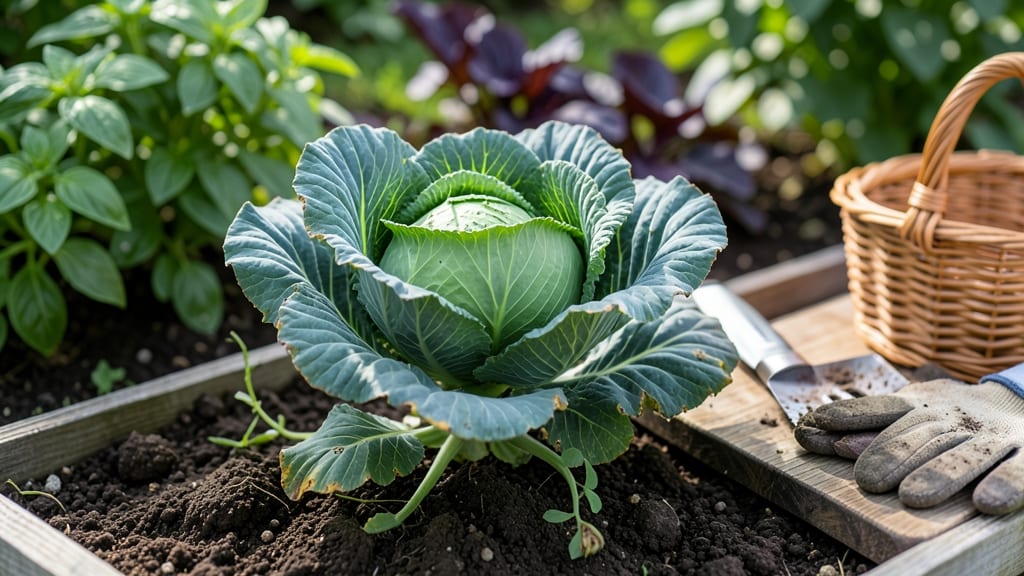
Harvesting cabbage at the right time ensures you get those crisp, flavorful heads that last for months—something I learned the hard way when my first crop turned bitter before I could use it.
Picture this: you’ve nurtured your 🥬 cabbage all season, and now it’s finally time to pick. But how do you know when it’s really ready? One wrong move, and you’re left with a head that’s either too small or already splitting at the seams.
The good news? With the right cues—firmness, color, and size—you can tell exactly when to make the cut.
Timing isn’t just about taste, though. Harvest too early, and you’ll miss out on the full flavor and storage potential. Cut too late, and you risk bolting or pests ruining your crop.
Below, I’ll walk you through the exact signs to look for, the best way to harvest without damaging your plants, and how to store your cabbage so it stays fresh for weeks.
Whether you’re a first-time gardener or a seasoned pro, these tips will help you harvest like a pro—no more guesswork, just perfect cabbage every time.

When to harvest cabbage for optimal flavor and storage
Timing your cabbage harvest correctly is the secret to enjoying crisp, sweet heads that last through winter. I’ve learned the hard way—harvesting too early means small, bitter cabbages, while waiting too long leads to split heads or bolted plants.
The key lies in watching for three critical maturity signs: head firmness, leaf color, and size. These cues vary slightly between spring and fall harvests, so let’s break it down.
For spring-planted cabbage, aim to harvest between June and July in most climates (USDA Zone 6a). In warmer regions, you might push harvests into early August, but heat stress can reduce quality.
Meanwhile, fall-planted varieties reach peak readiness from October to November, just before hard frosts. Cool temperatures actually sweeten cabbage, so a light frost can enhance flavor—just don’t let it freeze solid.
Climate plays a surprising role in harvest timing. In cooler northern climates, cabbage matures slower, giving you a longer harvest window. But in hot southern regions, heads form quickly—sometimes in as few as 60 days.
If your area experiences unpredictable heat waves, prioritize harvesting earlier to avoid stress. I once lost an entire row of cabbage when a late-summer heatwave caused them to bolt overnight!
| Maturity Sign | Spring Harvest | Fall Harvest | Climate Notes |
|---|---|---|---|
| Head Firmness | Solid, dense, resists gentle squeeze | Firm but slightly softer than spring | Warmer climates: firmer earlier (60-70 days) |
| Leaf Color | Deep green, tightly wrapped | Vibrant green/purple, may darken | Cooler nights: richer colors |
| Head Size | 10-12 inches diameter | 12-16 inches (larger for storage) | Drought stress: smaller heads |
| Stem Thickness | 1-1.5 inches thick | 1.5-2 inches (sturdier) | Fertilizer-heavy: thicker stems |
| Harvest Window | June-July (before bolting) | October-November (pre-frost) | Early frost: harvest immediately |
Let’s talk about those head firmness tests—this is where most gardeners go wrong. A truly ripe cabbage should feel solid as a basketball when gently squeezed. If it gives slightly or feels spongy, it’s not ready.
For green cabbage varieties, the outer leaves should be deep green and tightly wrapped like a tightly rolled burrito. Red or purple cabbages will deepen in color as they mature, so don’t harvest when they’re still pale.
Size matters too, but don’t let it fool you into harvesting early. A cabbage head should be at least 10 inches wide for proper storage. Smaller heads (under 8 inches) often lack the starchy sweetness of fully mature cabbage.
That said, if your variety is bolt-resistant (like ‘Golden Acre’), you can harvest slightly smaller heads to extend your harvest season. I’ve found that fall-planted cabbage often grows larger heads because cooler nights slow down growth just enough for better development.
One mistake I see often is ignoring the inner leaf condition. Before harvesting, peek between the outer leaves to check for yellowing or loose inner leaves. This is a sign the head is overmature or stressed.
If you spot any brown spots or soft areas, harvest immediately—these cabbages won’t store well. For storage varieties, look for heads with thick, waxy outer leaves, as these protect against rot during long-term storage.
Seasonal timing affects more than just flavor—it impacts storage potential. Cabbage harvested in fall stores better than spring-harvested heads because the cooler temperatures slow down spoilage.
If you’re planning to store cabbage through winter, prioritize late fall harvests (just before hard frosts) and choose varieties like ‘January King’ or ‘Danish Ballhead,’ which are bred for long storage. For immediate use, spring cabbage is perfectly fine—just enjoy it fresh within a few weeks.
Pro tip: If you’re unsure whether your cabbage is ready, do the “finger test”. Press your thumb into the head—if it leaves a slight indentation that bounces back, it’s perfect. If the dent stays, it’s overripe.
And remember, harvesting at the right time isn’t just about taste—it’s about avoiding waste. A well-timed cabbage harvest means fewer bitter leaves in your compost pile and more crisp heads in your kitchen! 🥬
Step-by-step cabbage harvesting techniques to preserve quality
Knowing exactly when and how to harvest cabbage makes all the difference between a crisp, long-lasting crop and one that spoils quickly. The right technique prevents bruising, bolting, and premature rot—keeping your cabbage fresh for weeks in storage.
Whether you're harvesting whole heads or individual leaves, timing and method matter most.
Most gardeners assume cabbage is ready when it reaches a certain size, but maturity signs like leaf color and head firmness are more reliable. Overlooking these cues often leads to bitter-tasting or loose heads.
For example, green cabbage should have tightly wrapped leaves with a vibrant, consistent color—never pale or yellowing at the edges.
How to Harvest Cabbage Like a Pro
-
Step 1: Choose the Right Tool
Use a sharp knife or pruning shears to avoid crushing the head. A dull blade causes bruising, which shortens shelf life. -
Step 2: Cut at the Base
For whole-head harvests, slice the stem 1-2 inches above soil level to preserve the root system. This encourages regrowth for baby leaves. -
Step 3: Handle Gently
Avoid dropping or stacking heads—use a basket with soft sides to prevent bruising. Even minor damage invites rot during storage. -
Step 4: Cure for Storage
Let heads air-dry for 1-2 hours in a shady, dry spot to toughen the outer leaves. This step extends shelf life by 30-50%. -
Step 5: Store Properly
Keep cabbage in a cool (32-40°F), humid (90-95%) environment, like a root cellar or refrigerator crisper. Avoid plastic bags—they trap moisture and speed up spoilage.
One common mistake is harvesting cabbage too early for size alone. A head that feels soft or hollow when pressed is past its prime. Similarly, waiting until leaves yellow or split means the flavor has turned bitter.
For continuous harvests, cut outer leaves instead of the whole head—this works best with loose-leaf varieties like Savoy.
After harvesting, post-harvest care is just as critical as the cutting process. For example, red cabbage benefits from a quick rinse to remove dirt, but green cabbage should stay dry.
Always remove outer damaged leaves before storing to prevent mold. With these techniques, your cabbage will stay fresh for 2-4 months—far longer than the typical 1-2 weeks!
If your cabbage starts to bolt or split before harvest, it’s likely due to heat stress or inconsistent watering. To fix this, provide even moisture and shade cloth during hot spells.
For smaller varieties, like mini cabbage, harvest when heads reach 3-4 inches wide—they’re ready much earlier than standard types.