
How To
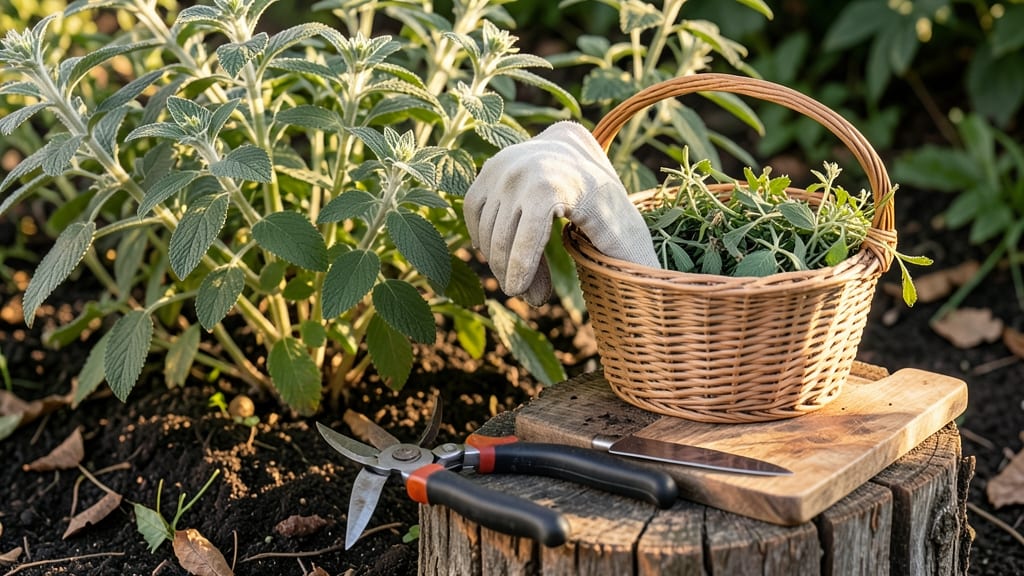
Harvesting catnip for cats at the right time ensures your feline friend gets the most potent and safe plant 🐱 — and keeps your garden thriving for months.
If your cat goes wild for catnip but you're struggling to keep the plant thriving, proper harvesting techniques could be the game-changer you need. The secret lies in timing: harvest before flowering for maximum potency, and prune regularly to encourage bushier growth.
Skipping these steps often leads to weaker leaves and fewer happy purrs.
You don’t need fancy tools—just clean scissors or your hands—but knowing when to pick makes all the difference. A few minutes of care now means a steady supply of fresh catnip for your cat’s enjoyment all season long.
Below, I’ll walk you through the best methods, from hand-picking to drying, so you can keep your kitty’s favorite treat at peak freshness.
Whether you’re a first-time grower or looking to refine your technique, these steps will help you harvest catnip the right way—so your cat stays happy and your plant keeps producing. Ready to learn the easiest way to keep your garden and your furry friend both satisfied?

When and how to harvest catnip for maximum potency
Harvesting catnip at the right time ensures your feline friend gets the most potent experience while keeping your plant healthy and productive. The key lies in understanding the optimal growth stages and using the correct harvesting methods.
Catnip contains nepetalactone, the compound that drives cats wild, and its potency peaks during the vegetative stage—before flowering begins.
Timing your harvest correctly prevents your plant from diverting energy into seed production, which reduces the aromatic oils your cat loves. Whether you're a first-time grower or a seasoned gardener, mastering these techniques will give you a steady supply of high-quality catnip for months.
Let's dive into the best practices to maximize both your plant's health and your cat's enjoyment.
🌿 Key Takeaway: Harvest catnip leaves when they're fully developed but before flowering—typically between 60-90 days after planting—when the plant reaches 12-18 inches tall and emits a strong, recognizable scent when crushed.
| Harvest Stage | Optimal Time | Plant Characteristics | Method | Potency Level |
|---|---|---|---|---|
| Vegetative Stage | 60-75 days after planting | Dark green, aromatic leaves; 12-18" tall; no flowers | Hand-picking or light pruning | ⭐⭐⭐⭐⭐ (Highest) |
| Early Flowering | 75-90 days after planting | Small buds forming; leaves still aromatic | Selective pruning (remove flowers) | ⭐⭐⭐ (Moderate) |
| Full Flowering | 90+ days after planting | Mature flowers; leaves less potent | Avoid harvesting (save for seeds) | ⭐ (Low) |
| Best Time of Day | Morning (after dew dries) | Leaves are dry; oils most concentrated | Hand-picking or pruning | ⭐⭐⭐⭐⭐ (Consistent) |
For maximum potency, focus on harvesting during the vegetative stage when the plant is actively growing but hasn't yet flowered. This is when the nepetalactone levels are at their peak.
Look for dark green, fully formed leaves that emit a strong, recognizable scent when crushed—a sure sign your catnip is ready for harvest.
Morning is the best time of day to harvest because the essential oils are most concentrated after a night's rest. Avoid harvesting after rain or in the evening, as moisture can dilute the potency and encourage mold growth.
Always use clean, sharp pruning shears or simply pinch the leaves by hand to avoid damaging the plant.
When deciding between hand-picking and pruning, consider your goals. Hand-picking individual leaves is ideal for small-scale harvesting and encourages bushier growth. For larger harvests or to maintain a neat appearance, use pruning shears to trim back about one-third of the plant at a time.
This method also stimulates new growth and prevents the plant from becoming leggy.
If you notice your catnip plant starting to bolt (flower), it's time to act quickly. Flowering signals the end of the high-potency window, and the plant will shift its energy toward seed production.
To prolong the harvest season, prune off flower buds as soon as they appear. This redirects the plant's energy back into leaf growth, giving you more time to enjoy potent catnip.
One common mistake is harvesting too aggressively, which can stress the plant and reduce future yields. Always leave at least half of the plant's foliage intact to ensure it can continue photosynthesizing and growing.
If you're harvesting for your cat's immediate use, you can be more liberal, but for long-term productivity, moderation is key.
To preserve the aromatic oils during harvest, avoid crushing the leaves unless you're preparing them for immediate use. If you're drying the catnip for later, bundle the stems and hang them upside down in a well-ventilated, dark area for 1-2 weeks.
Once dried, store the leaves in an airtight container away from direct sunlight to maintain potency for up to 6 months.
Remember, the goal is to keep your catnip plant healthy and productive while providing your feline companion with the most potent experience. By harvesting at the right time and using the correct methods, you'll create a win-win situation: a thriving garden and a happy, playful cat.
Step-by-step catnip pruning guide for continuous growth
Regular pruning is the secret to keeping your catnip plant lush, productive, and full of those irresistible cat-attracting compounds. When done right, pruning encourages bushier growth and prevents the plant from wasting energy on seed production.
This means more leaves for your feline friend—and fewer flowers that steal nutrients away from the foliage.
Timing is everything with catnip pruning. I always prune my plants in the early morning after dew has evaporated but before the sun gets too intense. This gives the cut stems time to dry slightly before I harvest, reducing the risk of fungal issues.
Plus, it’s when the oils in the leaves are at their peak potency for your cat.
How to Prune Catnip for Maximum Growth
-
Step 1: Gather Your Tools
✂️ Sharp pruning shears or clean scissors
🧤 Gloves (optional, to avoid oils on skin)
🗑️ Bucket or container for harvested leaves -
Step 2: Identify Pruning Points
🌿 Look for new growth just above leaf nodes (where leaves meet stems).
✂️ Cut 1/3 above the node to encourage branching. -
Step 3: Prune for Bushiness
🌱 Pinch or cut tips of stems to redirect energy to side shoots.
🌿 Remove flower buds immediately—they drain the plant’s energy. -
Step 4: Harvest Strategically
🐱 Harvest upper leaves first to avoid damaging the plant’s core.
⏳ Repeat every 4-6 weeks during the growing season. -
Step 5: Clean Up and Fertilize
🧹 Remove wilted or yellow leaves to prevent disease.
🌱 Feed with balanced fertilizer (5-10-10) after pruning for a growth boost.
💡 Pro Tip: Never prune more than 1/3 of the plant at once—this keeps your catnip healthy and thriving!
One of my biggest mistakes early on was letting catnip flower. Those pretty white blooms might look charming, but they signal the plant to shift energy from leaves to seeds.
By pruning aggressively before buds form, you’ll keep your catnip in a vegetative state—producing more of the nepetalactone that drives cats crazy for freshness.
After pruning, I always rinse the leaves under cool water to remove any dust or debris. Then, I spread them on a clean towel in a shady, well-ventilated spot to dry slightly before storing.
This step is crucial if you’re planning to dry or freeze the catnip later—it prevents mold and preserves those all-important aromatic oils.
For container-grown catnip, pruning is even more critical since space is limited. I prune my potted plants weekly during peak growing months to encourage dense foliage. The key is consistency—just like your cat’s routine, your pruning schedule should be predictable to keep the plant happy and productive.
With regular pruning, my catnip plants now produce year-round harvests, even in cooler months. The secret? A little effort now means a steady supply of fresh catnip for your feline’s next zoomie session—plus a garden that stays lush and full of life. 🌿