
How To
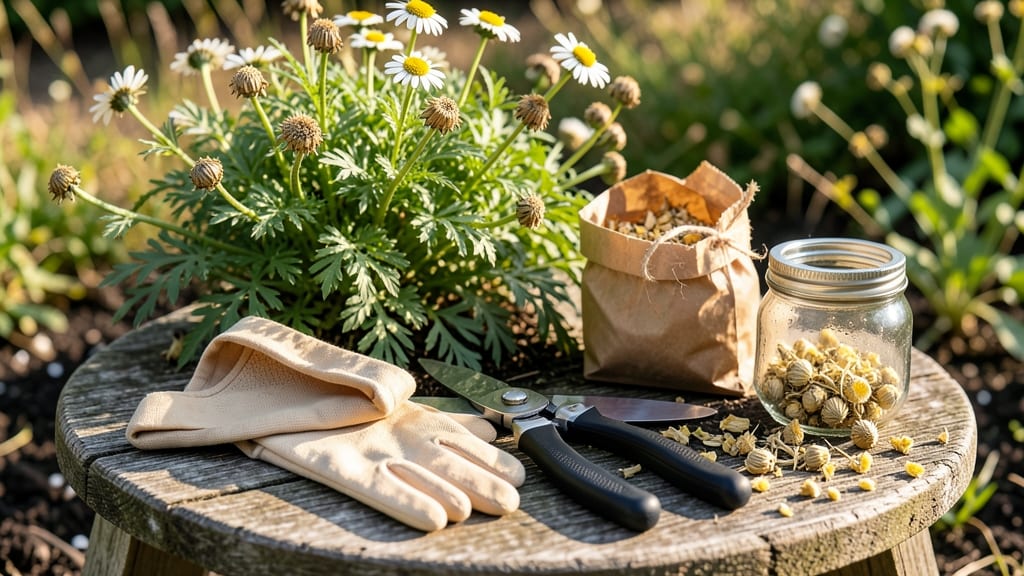
To harvest chamomile seeds, wait until the flower heads turn fully brown and papery 🌼 — a telltale sign they’re ready to collect for next year’s garden.
Chamomile isn’t just a soothing tea herb—its delicate seed heads hold the key to growing your own lush chamomile plants, but timing and technique make all the difference.
Picking too early means immature seeds that won’t germinate, while waiting too long risks them scattering on the wind. The best time is late summer or early fall, when the flower heads are dry and crispy to the touch.
In this guide, I’ll walk you through how to spot ripe seed heads, the easiest harvesting methods, and how to dry and store them properly to ensure strong germination for your future chamomile patch.

When and how to identify mature chamomile seed heads for harvesting
Harvesting chamomile seeds at the perfect moment ensures high germination rates and healthy new plants. The key lies in recognizing three critical visual cues: color, texture, and seed maturity.
Chamomile flowers start as vibrant white or yellow blooms, but when ready for seed collection, they transform into dry, brown papery heads that feel crisp to the touch.
Timing is everything—harvesting too early means immature seeds that won’t sprout, while waiting too long risks seed loss as they scatter naturally.
Most chamomile varieties reach seed maturity 75-90 days after planting, typically between late July and September in USDA Zone 6a. Pay close attention to daily weather patterns, as rain can delay drying and ruin your harvest.
Visual cues are your best friend when identifying mature seed heads. Look for fully brown flower heads with no green stems or leaves remaining. The centers should feel dry and brittle, almost like tissue paper, and seeds inside should rattle when gently shaken. If you press a seed head and it crumbles easily, it’s ready for harvest.
| Stage | Color | Texture | Seed Condition | Action |
|---|---|---|---|---|
| Early Flowering | White/Yellow | Soft, pliable | Immature seeds | Wait 2-3 months |
| Late Flowering | Light Brown | Drying, slightly crisp | Partially developed | Monitor daily |
| Mature Seed Head | Deep Brown | Crispy, papery | Fully developed, rattles | Harvest immediately |
| Overripe | Gray/Brown | Brittle, crumbly | Seeds scattered | Too late |
For German chamomile (Matricaria chamomilla), focus on the disk florets at the center of each flower head—they’re the seed-bearing parts.
These tiny seeds form a brown, cone-like structure that’s easy to miss if you’re not looking closely. Roman chamomile (Chamaemelum nobile), on the other hand, produces larger, daisy-like seed heads with more visible brown centers.
Avoid harvesting on humid mornings or after rainfall, as moisture can prevent proper drying. Instead, choose dry, sunny days between 10 AM and 2 PM when dew has evaporated.
Use a small paper bag to collect seed heads—this prevents seeds from scattering while you work and makes it easy to transport them indoors for drying.
One common mistake is confusing dried flower heads with mature seed heads. Not all brown flower heads contain viable seeds. Gently squeeze a seed head—if it releases seeds easily and feels hollow, it’s ready.
If it resists or feels spongy, give it 2-3 more days to mature. Patience here pays off with higher germination rates.
Pro tip: Harvest only the seed heads you need for immediate planting. Leave some on the plant to encourage natural reseeding, which attracts beneficial insects like bees and hoverflies.
These pollinators will boost your garden’s biodiversity while you enjoy your chamomile harvest. Just be sure to space out your collections to avoid over-harvesting from a single plant.
If you’re unsure whether your chamomile seeds are ready, perform the "float test". Drop a few seeds into a bowl of water—viable seeds will sink to the bottom, while empty or immature ones will float.
This quick check saves time and ensures you’re only planting high-quality seeds for your next crop.
Once you’ve confirmed maturity, act quickly! Chamomile seeds lose viability fast once fully dry. Store them in a cool, dark place with low humidity (below 40% humidity) to preserve their germination potential for up to 2 years. Label your seed packets with the harvest date to track freshness.
Mastering the art of harvesting chamomile seeds transforms this low-maintenance herb into a self-sustaining garden staple. With practice, you’ll develop an eye for the perfect moment—when the brown seed heads stand tall, crisp and ready, promising a new generation of chamomile blooms for years to come. 🌾
Best methods for harvesting chamomile seeds without damaging plants
Once you’ve identified your mature chamomile seed heads, the next step is harvesting them carefully to preserve both the seeds and your plants. The method you choose—manual picking or using tools—depends on your garden size and comfort level.
I’ve found that gentle handling is key, as chamomile stems can be brittle, especially in dry conditions.
Timing matters too. Harvest on a dry, sunny morning when dew has evaporated but before the heat of the day. This ensures the seed heads are fully dry and less likely to mold. If you’re harvesting a large patch, work systematically to avoid missing any ripe heads.
Manual Picking
- ✅ Gentle on plants
- ✅ No tools required
- ✅ Ideal for small patches
- ❌ Time-consuming for large areas
- ❌ Risk of breaking stems
Tool-Assisted Harvesting
- ✅ Faster for large gardens
- ✅ Reduces stem damage
- ✅ Pruning shears or scissors work well
- ❌ Requires sharp tools
- ❌ May miss some seed heads
For manual harvesting, simply pinch the seed head between your thumb and forefinger and twist gently until it releases. Avoid pulling upward, which can uproot the plant. If you’re using pruning shears, cut the stem about 1-2 inches below the seed head to leave room for new growth.
After harvesting, the next critical step is drying the seeds properly. You have two main options: hanging bundles or laying them flat. I prefer hanging because it saves space and allows airflow from all directions.
Bundle 5-10 stems together and hang them upside down in a dry, well-ventilated area away from direct sunlight.
If you choose the flat-drying method, spread the seed heads on a clean, breathable surface like a mesh screen or paper towel. Place them in a shady, dry spot and gently stir them every few days to ensure even drying.
This method takes slightly longer—about 1-2 weeks—but works well for small batches.
Once the seeds are completely dry, store them in a paper envelope or airtight container in a cool, dark place. Label the container with the harvest date, as chamomile seeds remain viable for 1-2 years under ideal conditions. Avoid plastic bags, as they can trap moisture and cause mold.
With these methods, you’ll maximize your seed yield while keeping your chamomile plants healthy for future harvests. Happy harvesting! 🌾