
How To
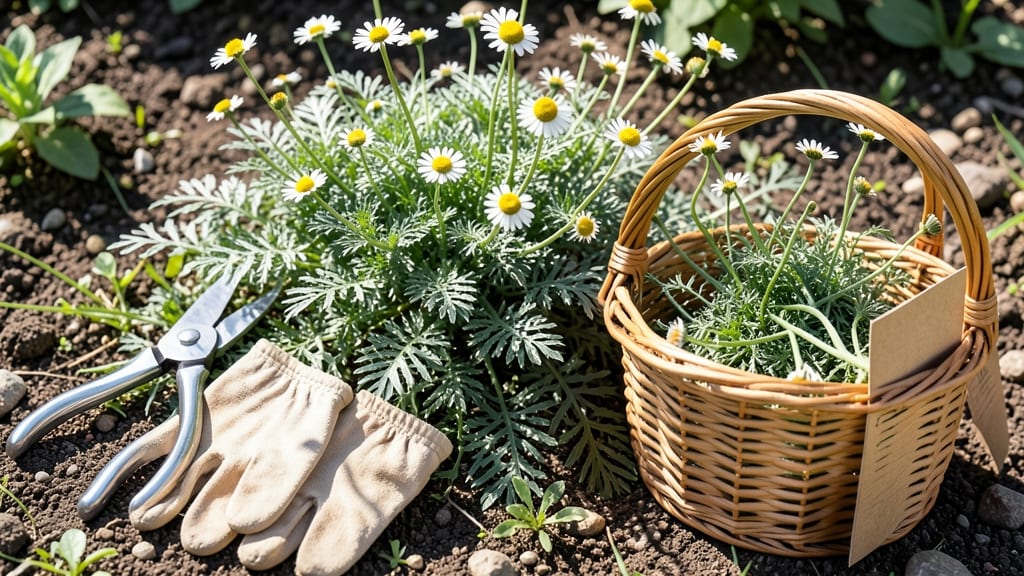
Harvesting chamomile at the right time and with the right technique ensures you capture its soothing power—whether for tea, tinctures, or remedies.
Fresh chamomile flowers aren’t just soothing for tea—they’re the secret ingredient in many natural remedies, but only when harvested at the perfect time and with the right technique.
Timing matters more than you might think: flowers picked too early lack potency, while waiting too long means bitter flavors. The ideal moment is when the buds are fully formed but just beginning to open, typically between July and September in USDA Zone 6a.
In this guide, I’ll walk you through how to spot the perfect bloom, the best tools to use, and step-by-step methods for cutting and drying chamomile—so you never waste a single flower.

Best time to harvest chamomile flowers for maximum potency
Timing is everything when harvesting chamomile flowers—especially if you want the highest potency for tea or medicinal uses. The ideal harvest window is early morning, just after the dew has evaporated but before the sun peaks.
This ensures your flowers retain their aromatic oils and therapeutic compounds, which can degrade under midday heat or moisture.
Most gardeners focus on the full bloom stage, but chamomile actually peaks when its petals begin to curl back slightly, revealing the yellow disc center. This stage, called early bloom, guarantees the most flavorful and potent flowers.
Waiting until they’re fully open can reduce potency by up to 30%, as the oils start breaking down.
German chamomile (Matricaria chamomilla) and Roman chamomile (Chamaemelum nobile) have slightly different harvest cues. German chamomile’s delicate blossoms should be picked when they’re partially open (about 50% unfurled), while Roman chamomile’s larger, daisy-like flowers are best harvested when their petals just start curling.
Both varieties thrive in USDA Zone 6a and beyond, but timing remains critical.
Here’s a quick reference to help you spot the perfect harvest moment:
| Variety | Best Harvest Stage | Key Visual Cues | Time of Day |
|---|---|---|---|
| German Chamomile | Early Bloom (50% open) | White petals curling back, yellow center visible | Morning (7-9 AM) |
| Roman Chamomile | Partial Bloom (Petals curling) | Larger flowers with petals just starting to lift | Morning (8-10 AM) |
| Both Varieties | Avoid Overripe Flowers | Wilted petals, brown edges, or closed buds | Never harvest after rain |
Why does timing matter so much? Chamomile’s volatile oils, like bisabolol and chamazulene, are most concentrated when flowers are fresh and dry.
Harvesting at the wrong time—like after a rainy morning or in midday heat—can dilute these compounds, making your chamomile less effective for tea or tinctures. Even a 30-minute delay after dew dries can reduce oil content by 15%.
For German chamomile, which is commonly used in teas and topical remedies, aim to harvest when the flower heads are dome-shaped but not fully open. The yellow disc should be clearly visible, but the white petals should still be slightly curled inward.
This ensures you’re capturing the peak of the plant’s medicinal properties. Roman chamomile, often used for aromatherapy, should be harvested when its petals just begin to unfurl, as they contain higher levels of apigenin, a compound linked to relaxation.
One common mistake is harvesting chamomile after it’s fully bloomed. While the flowers may still look pretty, their potency drops significantly once they open completely.
Think of it like picking strawberries at peak ripeness—wait too long, and you’re left with a less flavorful (and in chamomile’s case, less therapeutic) harvest. The ideal harvest window is typically between 7:00 AM and 9:00 AM, when temperatures are cool and humidity is low.
If you’re harvesting for drying purposes, focus on dry, sunny days with low humidity. Chamomile flowers dry best when they’re free from moisture, so avoid harvesting after even light dew or morning mist.
A quick trick? Gently shake a flower head—if it feels crisp and dry, it’s ready. If it’s damp or sticky, wait another hour or two.
Pro tip: Use a sharp pair of pruning shears or clean scissors to cut stems about 2-3 inches below the flower head. This encourages more branching and additional blooms later in the season. Just be gentle—chamomile’s delicate stems can break easily if handled roughly.
After harvesting, lay the flowers on a clean, dry surface in a single layer to dry in a dark, well-ventilated space for about 1-2 weeks.
Remember, the earlier you harvest, the more potent your chamomile will be. Whether you’re growing German chamomile for tea or Roman chamomile for aromatherapy, sticking to this early-morning window ensures you’re getting the best possible yield and flavor profile every time. 🌼✂️
Step-by-step guide to properly cutting chamomile for drying
Harvesting chamomile at the right time ensures maximum flavor and medicinal benefits, but the cutting technique is just as important. Delicate chamomile blossoms can bruise easily, and improper handling can lead to mildew or poor drying results.
Whether you're harvesting for tea, tinctures, or dried potpourri, follow these steps to preserve the potency and quality of your chamomile.
Before you begin, gather your tools: sharp pruners or small scissors, a clean basket or breathable bag, and gardening gloves to protect your hands. Avoid harvesting after rain or in the evening when humidity is high, as damp flowers are prone to mold.
Work in the early morning when dew has evaporated but the sun hasn’t yet weakened the blossoms.
-
Step 1: Identify Ready Flowers
Look for partially open blossoms with white petals curling back and a visible yellow center. Avoid fully open flowers—they lose potency quickly. -
Step 2: Choose Your Tool
Use clean pruners or small scissors for stems longer than 3 inches. For shorter stems, pinch just above a leaf node with your fingers to avoid damaging the plant. -
Step 3: Cut at the Right Angle
Hold the stem at a 45-degree angle and cut 1-2 inches above the base to encourage bushier growth. Never cut into woody stems—focus on the flowering tops. -
Step 4: Handle with Care
Gently shake off excess leaves but leave the flower heads intact. Place flowers in your breathable basket or bag in a single layer to prevent crushing. -
Step 5: Process Immediately
Transport your harvest to a dry, shaded area right away. Avoid direct sunlight, which can cause wilting. Spread flowers on paper towels or a clean cloth to air-dry for 1-2 hours before final drying.
When harvesting, never remove more than one-third of the flowers from any single plant to ensure it continues producing. Chamomile is an annual or short-lived perennial, so preserving the plant’s health maximizes future harvests.
If you’re working with German chamomile, which has daisy-like flowers, be extra gentle—the petals are fragile and prone to tearing.
After cutting, label your harvest with the date and variety to track drying progress. Store freshly cut chamomile in a cool, dark place for up to 24 hours before drying to prevent spoilage.
For large batches, consider using a dehydrator set to 95°F or hanging bundles upside down in a well-ventilated area.
Properly dried chamomile should crumble easily between your fingers and release a sweet, apple-like aroma. If you notice dark spots or musty smells, your flowers may have mold—start over with a fresh batch.
With the right technique, your chamomile will stay potent for up to 1 year when stored in an airtight container away from light.