
How To
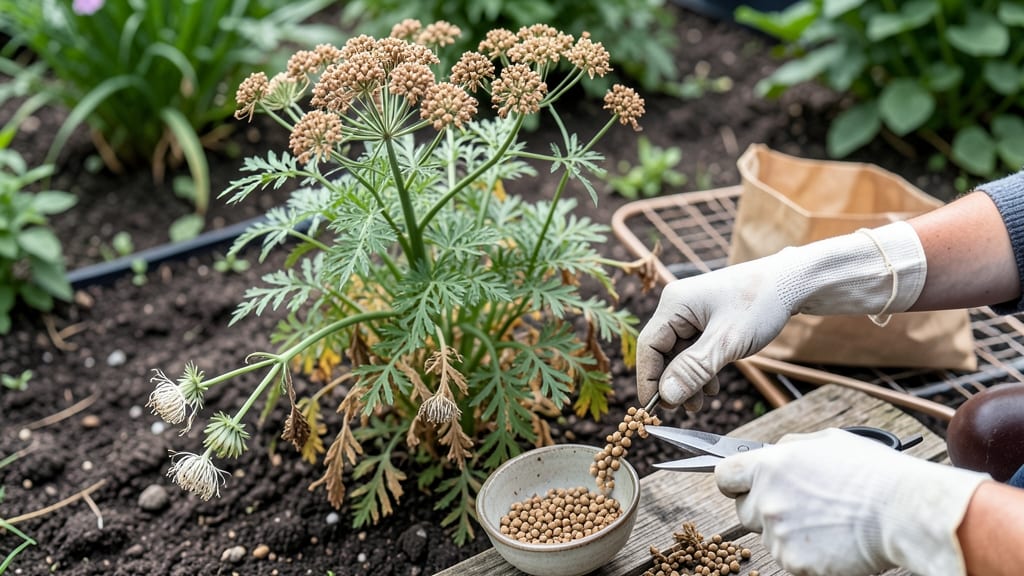
Harvesting coriander seeds the right way turns your 🌿 plants into a flavor-packed treasure chest—if you time it perfectly.
Picture this: you’ve nurtured your coriander for months, only to rush harvest day and end up with bitter, low-quality seeds. The secret? A simple stem snap test and knowing exactly when those pods are ready to pick.
Skip this step, and you’ll miss out on the rich, aromatic seeds that make everything from curries to spice blends sing.
In this guide, I’ll walk you through the exact moment to harvest (hint: it’s not when the pods turn brown), the tools you’ll need, and foolproof drying and storage methods to keep your seeds fresh for up to two years.
No more wasted plants—just perfectly ripe coriander seeds ready for your kitchen or garden.
Ready to unlock the full potential of your coriander? Let’s get started with the stem snap test and other pro tips that’ll have you harvesting like a seasoned gardener.

When to harvest coriander seeds: the stem snap test explained
Harvesting coriander seeds at the right moment transforms your garden into a flavor factory. The stem snap test is my foolproof method to determine perfect ripeness—no guesswork required. When performed correctly, this simple technique ensures you collect seeds packed with maximum aroma and potency.
But timing is everything: harvest too early, and you’ll miss out on full flavor; too late, and seeds may shatter or lose viability.
Before diving into the test, understand that coriander plants undergo a dramatic life cycle. After producing lush green leaves, they bolt—sending up tall flower stalks that eventually form seed pods. These pods start green but gradually turn brown as seeds mature.
The stem snap test helps you pinpoint the exact moment when seeds are ready to harvest, right when they’re at peak quality.
Here’s how to prepare: Choose a sunny morning after any overnight dew has evaporated. Select a healthy flower stalk (about 12–18 inches tall) with fully developed seed pods.
Avoid stalks with signs of disease or pest damage, as these can compromise seed quality. The test itself takes just seconds but saves hours of potential frustration later.
Visual cues complement the snap test. Look for uniformly brown pods that feel dry and papery to the touch. When you gently shake a stalk, you should hear a faint rattle—this confirms seeds are fully formed inside. If pods are still green or partially yellow, they’re not ready yet. Waiting too long risks seeds shattering and scattering across your garden.
How to Perform the Stem Snap Test
- 1 Select a stalk: Choose a mature flower stalk with fully developed seed pods. Avoid damaged or diseased stalks.
- 2 Hold the base: Grasp the bottom 2–3 inches of the stalk firmly between your thumb and forefinger.
- 3 Snap gently: Bend the stalk away from you until it snaps naturally. Listen for a clean break—not a tear.
- 4 Inspect the break: If the stalk snaps cleanly with a dry sound, seeds are ready. If it bends or feels moist, wait 2–3 more days.
- 5 Verify pods: Check the seed pods—if they’re dry, brown, and crisp, harvest immediately. If still green or soft, wait another day.
Common mistakes can derail your harvest. One frequent error is bolting too early, often triggered by heat stress or overcrowded plants. If your coriander bolts before reaching maturity, seeds may never fully develop.
To prevent this, plant in cool spring or fall months and provide consistent moisture. Another pitfall is ignoring seed shattering—once pods turn brown, they release seeds easily, so harvest promptly.
For large harvests, prioritize stalks that snap first—they’re your early indicators of ripeness. Cut these first, then monitor remaining stalks daily. If you’re harvesting in humid climates, work early in the morning to avoid mold growth on freshly cut stalks.
Once harvested, lay stalks on a dry, well-ventilated surface to dry completely before processing seeds.
Pro tip: Mark your harvest calendar based on your climate. In USDA Zone 6a, coriander typically bolts between May and June, with seeds ready by late June or early July.
Adjust for your region—seed maturity can vary by 1–2 weeks depending on temperature and sunlight. Always harvest on a dry day to prevent mold during drying.
Once you master the stem snap test, you’ll never second-guess your coriander harvest again. The satisfaction of collecting homegrown seeds packed with flavor is unmatched—and you’ll have a steady supply for future gardens or culinary adventures.
Just remember: patience and attention to detail are your best tools in the quest for perfect coriander seeds.
🌿
Best methods for harvesting and drying coriander seeds at home
Once your coriander plants have reached the perfect ripeness—brown seed pods and crispy stems—it’s time to harvest. The two most effective methods are hand-picking individual pods or cutting entire stems at the base.
Hand-picking works well for staggered harvesting, while cutting stems ensures you capture all seeds at once. Choose based on your plant’s maturity and how quickly the pods are drying.
After harvesting, drying coriander seeds properly is crucial to preserve their aromatic oils and prevent mold. The drying method you choose—hanging bundles, paper bags, or a dehydrator—will impact both efficiency and seed quality.
Below, I’ve compared the top methods so you can pick the best fit for your setup and goals.
| Method | Efficiency | Seed Quality | Time Required | Equipment Needed |
|---|---|---|---|---|
| Hanging Bundles | High | Excellent | 7–14 days | Twine, dry space |
| Paper Bags | Medium | Good | 5–10 days | Brown paper bags |
| Dehydrator | Very High | Very Good | 4–8 hours | Dehydrator, trays |
For hanging bundles, tie 3–4 stems together and hang them upside down in a well-ventilated, shady spot away from direct sunlight. This traditional method mimics natural drying conditions and preserves the seeds’ flavor profile best. Check daily to ensure no moisture buildup, which can lead to mold.
If you’re short on time, a dehydrator is your fastest option—set it to 95°F (35°C) and spread seeds in a single layer for 4–6 hours.
If you prefer a low-tech approach, place dried seed heads in brown paper bags and store them in a cool, dark place for 5–10 days. The bags allow air circulation while trapping seeds inside.
Shake the bags gently every few days to prevent clumping. Avoid plastic bags, as they trap moisture and encourage mold growth.
Once fully dried, test seed readiness by crushing a pod—if seeds rattle freely and appear dark brown, they’re ready for storage. Store seeds in airtight glass jars or paper envelopes in a cool, dark pantry for up to 2 years.
Label jars with the harvest date to track freshness. Properly stored seeds retain their aromatic oils and germination potential for future planting.
Don’t let your hard work go to waste—harvesting and drying coriander seeds correctly ensures you’ll always have a flavorful pantry staple and fresh seeds for next season’s garden. With these methods, you’ll maximize yield and quality while keeping the process simple and effective. Happy harvesting!