
How To
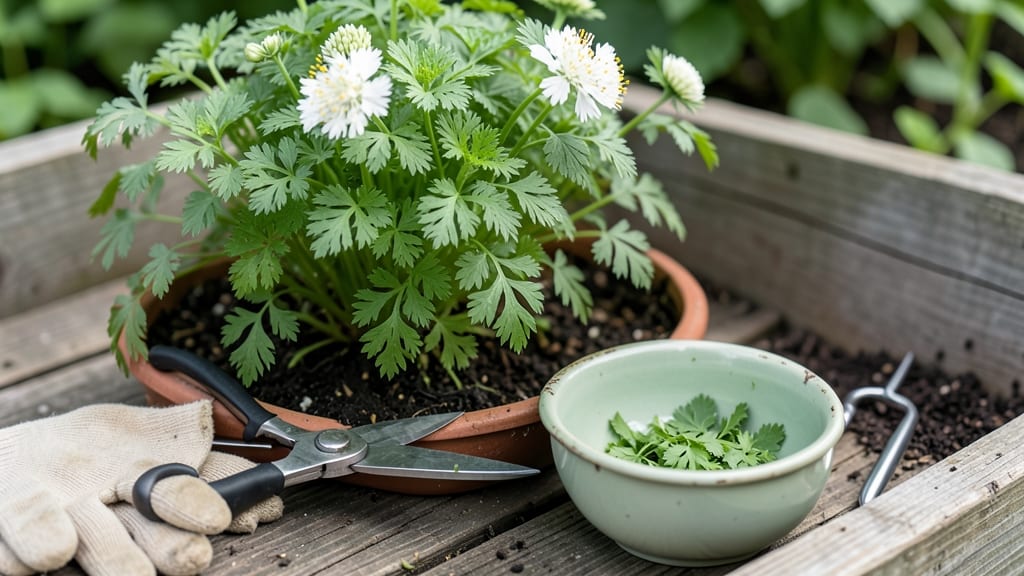
Harvesting coriander plants at the right time keeps those bright green leaves tender and packed with flavor—something that slips away fast if you wait too long.
Coriander leaves lose their vibrant flavor and tender texture within days of harvesting—but with the right technique, you can enjoy a steady supply of fresh, aromatic cilantro all season long. The "cut-and-come-again" method isn’t just a hack; it’s a game-changer for home gardeners.
Timing is everything: pluck leaves when they’re 2-3 inches long and the stems are firm but not woody. This ensures your harvest stays fresh and encourages the plant to regrow quickly, giving you a continuous supply.
Below, I’ll walk you through the exact steps—when to cut, how to avoid common mistakes, and pro tips to extend your harvest season without bolting. Ready to transform your garden into a cilantro powerhouse?

Step-by-step guide to harvesting coriander using the cut-and-come-again method
The cut-and-come-again method transforms your coriander harvest from a one-time event into a continuous supply of fresh, flavorful leaves. Unlike traditional harvesting where you pick entire plants, this technique focuses on selective pruning to encourage regrowth.
When done correctly, you’ll enjoy tender, aromatic cilantro for weeks—even months—after planting. The key lies in timing, precision cuts, and proper post-harvest care.
Before diving in, gather your tools: a sharp pair of scissors or pruning shears (dull blades crush stems and invite disease), a clean bowl or basket for storage, and a spray bottle with water to refresh wilted leaves.
Work in the early morning when leaves are hydrated and flavors peak. Avoid harvesting after rain or in the heat of the day, as this stresses the plant and dulls flavor.
Now, let’s break down the process into clear, actionable steps to maximize your harvest and keep your coriander thriving.
One of the biggest mistakes gardeners make is harvesting too aggressively or at the wrong time. For example, cutting stems too close to the base removes the growth nodes, halting regrowth.
Similarly, harvesting in the afternoon heat causes leaves to wilt faster, reducing their shelf life. Always prioritize precision over quantity—your plant will thank you with a bountiful yield.
If your coriander starts to bolt prematurely (sending up flower stalks), it’s a sign you’ve waited too long between harvests or the plant is stressed. To mitigate this, harvest more frequently and provide partial shade during hot
When and how to harvest coriander for maximum flavor and regrowth
Timing your coriander harvest is everything—cut too early, and you waste potential; wait too long, and the flavor turns bitter. The best time to harvest is in the morning, right after the dew dries but before the sun intensifies.
This ensures your leaves are crisp and packed with flavor. I always grab my sharp pruners or clean scissors and get to work before 9 AM for the freshest yield.
Your coriander plant signals readiness when the outer leaves reach 2-3 inches long and the stems feel firm but not woody. If you wait until the plant bolts (sends up a tall flower stalk), the leaves will taste soapy and bitter—a common mistake that ruins the harvest.
Instead, focus on harvesting the outer leaves first to encourage regrowth from the center.
⚠️ Critical Harvesting Mistakes to Avoid
- Harvesting too early: Leaves under 1 inch won’t regrow well and lack flavor.
- Cutting stems too short: Never trim more than 1/3 of the plant at once—this stunts regrowth.
- Ignoring bolting signs: Once the plant flowers, the leaves turn bitter and inedible.
- Using dull tools: Jagged cuts invite disease; always use clean, sharp scissors.
For leaf harvesting, prioritize the larger outer leaves while leaving the inner growth intact. This method encourages the plant to produce more leaves over time. I like to snip individual stems just above a leaf node (where leaves meet the stem) to promote bushier growth.
Avoid pulling leaves—this can damage the plant and reduce future yields.
If you’re growing coriander for seeds, wait until the plant bolts and the seed pods turn brown. Harvest the entire plant, tie it in a bundle, and hang it upside down in a dry, shaded area.
Once the seeds dry completely, shake them free from the pods. Seed harvesting should be a one-time event—once the plant flowers, it won’t regrow leaves.
To maximize regrowth, water your coriander plant thoroughly after harvesting and keep the soil consistently moist. Mulch around the base to retain moisture and prevent weeds. I’ve found that harvesting every 2-3 weeks keeps my plants productive for months, especially in cooler climates.
In hot weather, coriander may bolt faster, so harvest more frequently to stay ahead of the game.
Remember, over-maturity is the enemy of flavor. If your leaves start looking leggy or developing flower buds, it’s time to harvest aggressively or accept that the plant is done producing edible foliage.
With the right timing and care, your coriander can provide a continuous harvest of fresh, aromatic leaves all season long.