
How To
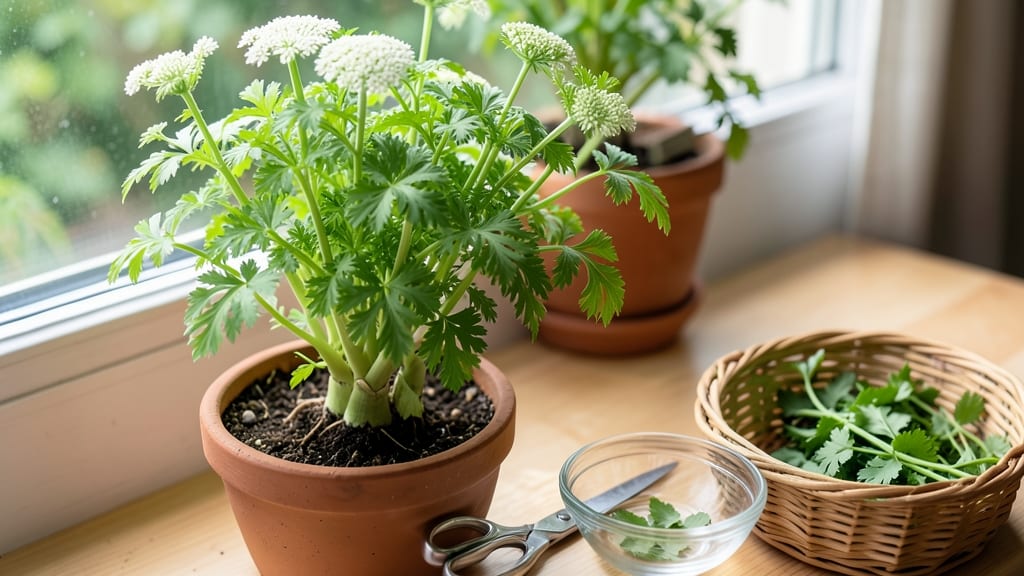
Harvesting coriander leaves the right way ensures you get bold flavor and a plant that keeps producing for weeks—no bitter bolts or wasted effort.
Struggling to keep your coriander plant producing fresh leaves instead of bolting into flowers? Mastering the cut-and-come-again method ensures a continuous harvest of vibrant, flavorful leaves—without wasting a single plant.
Here’s the secret: timing is everything. Wait until your 🌿 coriander reaches 3–4 inches tall with 5–7 true leaves, then snip just the outer stems, leaving the inner growth intact. This simple technique keeps your plant happy and your kitchen stocked.
Below, I’ll walk you through the exact steps—when to cut, how to avoid overharvesting, and how to coax your plant back for another round of fresh, citrusy leaves.

When and how to harvest coriander leaves for maximum yield
Harvesting coriander leaves at the right time ensures a steady supply of fresh, flavorful greens instead of bitter seeds. The key is to pick leaves when they're fully developed but before the plant bolts—typically 30-45 days after sowing.
I’ve learned that waiting too long turns those tender leaves into tough stems, while harvesting too early stunts growth.
Look for bright green, aromatic leaves that are 3-4 inches long and have a strong citrusy scent when crushed. These are your cues that the plant is ready.
I always check the stem flexibility—if it bends easily, it’s harvest-ready. Avoid cutting when leaves are small or woody, as this stresses the plant.
Timing matters too. Morning harvests keep your leaves crisp, while afternoon cuts can wilt faster. I prefer early mornings when the leaves are hydrated and packed with flavor. Pro tip: Harvest on a cloudy day to reduce stress on the plant.
| Harvest Stage | Leaf Size | Days After Sowing | Tools Needed | Regrowth Potential |
|---|---|---|---|---|
| First Harvest | 3-4 inches | 30-45 days | Sharp scissors | High |
| Subsequent Harvests | 2-3 inches | Every 2-3 weeks | Clean pruners | Moderate |
| Overharvesting Risk | <1 inch | More than every 2 weeks | None | Low (bolting) |
| Late Harvest | Woody stems | 60+ days | Sharp knife | None (bolted) |
Use the cut-and-come-again method to encourage regrowth. I cut leaves from the outer stems first, leaving the inner leaves intact. This prevents shocking the plant and allows it to keep producing. Always use clean, sharp scissors or pruners to avoid crushing stems, which can invite disease.
Never remove more than one-third of the plant in a single harvest. I learned this the hard way—overharvesting leads to bolting (flowering) and bitter leaves. If you see tall flower stalks emerging, it’s too late for leaf harvesting, but you can still save the seeds for future planting.
After harvesting, rinse the leaves gently under cool water to remove dirt and pests. Pat them dry with a clean towel or use a salad spinner to avoid wilting. Store them in the fridge for up to 5 days or freeze them in ice cube trays for later use.
To maximize yield, fertilize lightly with a balanced 5-10-10 fertilizer after each harvest. I mix 1 tablespoon into the soil and water it in. Avoid over-fertilizing, as this can cause rapid bolting. Keep the soil consistently moist but not soggy—coriander hates waterlogged roots.
Watch for signs of stress or disease, like yellowing leaves or spots. These could mean your plant is overcrowded or lacking nutrients. Thin seedlings to 4-6 inches apart at planting time to give roots room to breathe and prevent competition.
With the right timing and care, a single coriander plant can provide fresh leaves for 6-8 weeks. I’ve had mine last even longer by moving pots to partial shade during hot afternoons.
The secret is balance—harvest often enough to enjoy fresh leaves, but not so much that you starve the plant.
Step-by-step cut-and-come-again method for continuous harvests
The cut-and-come-again method is your secret weapon for a never-ending supply of fresh coriander leaves. Instead of letting your plant bolt into flowers, you’ll encourage bushier regrowth by making strategic cuts.
This technique works best when your plant has 5-7 true leaves and is at least 3-4 inches tall. The key is to cut just above a leaf node—this is where new growth will sprout.
Timing is everything with coriander. Harvest leaves in the morning after dew dries but before the midday sun intensifies. This ensures your leaves stay crisp and vibrant. Avoid harvesting when the soil is waterlogged or during extreme heat, as this stresses the plant.
Aim for a 2-3 week interval between harvests to give your coriander time to recover and regrow.
How to Harvest Coriander Leaves
- Step 1: Choose the outer leaves first—these are fully mature and won’t stunt new growth. Avoid cutting into the center stem unless absolutely necessary.
- Step 2: Use clean, sharp scissors or pruning shears to make a 45-degree angle cut just above a leaf node (where leaves meet the stem). This encourages new shoots to grow from that point.
- Step 3: Cut no more than 1/3 of the plant in a single session. Overharvesting weakens the plant and can trigger bolting. Focus on the largest, most mature leaves first.
- Step 4: After harvesting, rinse leaves gently under cool water to remove dirt. Pat dry with a paper towel or salad spinner to prevent wilting. Store in the fridge for up to 5 days or use immediately.
- Step 5: Post-harvest, water the soil deeply to replenish moisture. Add a light layer of compost around the base to replenish nutrients. Place the plant back in bright, indirect light to encourage regrowth.
If your coriander isn’t recovering well after harvesting, it might be nutrient-deficient or stressed by heat. Check the soil—it should be moist but well-draining.
If the leaves turn yellow or growth stalls, apply a balanced fertilizer (5-10-10) lightly and avoid fertilizing during hot summer months, as this can speed up bolting.
To troubleshoot slow regrowth, inspect the plant for signs of pests like aphids or disease. Remove any damaged leaves immediately and treat with neem oil if needed. If the plant is still weak, consider reducing harvest frequency to every 3-4 weeks until it recovers its vigor.
With practice, you’ll master the rhythm of harvesting coriander—balancing yield and plant health for a season-long supply of fresh, aromatic leaves. The more you harvest correctly, the more your plant will reward you with bushier, more productive growth. 🌿✂️🌱