
How To
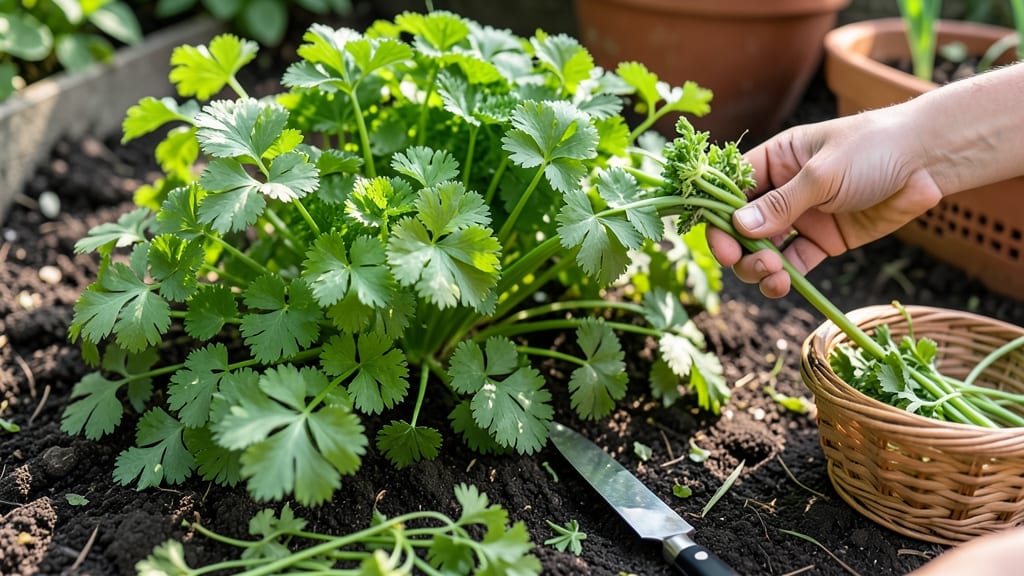
Harvesting curly parsley at the right time ensures vibrant flavor and keeps your plant thriving 🌿—here’s the exact method to do it without wasting a single leaf.
Curly parsley isn’t just a garnish—it’s a flavor powerhouse, but harvesting it at the wrong time can turn your fresh crop into bitter disappointment. Whether you’re prepping for summer soups or winter stews, timing and technique make all the difference.
Most gardeners wait until the leaves reach 4-6 inches and are fully curled, but the real secret is cutting stems at the right angle to encourage regrowth. Skip this step, and you’ll end up with a leggy, sparse plant by mid-season.
Below, I’ll walk you through the perfect timing, the tools you’ll need, and storage tricks to keep your harvest fresh for weeks—no wilting or flavor loss in sight.

When and how to harvest curly parsley for maximum flavor and longevity
Harvesting curly parsley at the right time transforms your garden into a flavor factory. The key lies in understanding when the leaves reach their peak—neither too young nor over-mature—because bitterness creeps in as plants age.
I’ve learned the hard way that waiting too long turns my prized parsley into tough, woody stems that ruin soups and salads. Let’s dive into the science and steps to keep your parsley tender, vibrant, and productive all season.
Your harvest window for curly parsley typically opens 75-90 days after planting, but timing varies by climate. In USDA Zone 6a, I start harvesting in late June for spring plantings and December for fall crops. The goal?
Pick leaves when they’re 4-6 inches tall, fully curled, and dark green—never when they’re pale or flowering, as that signals bitter over-maturity. I’ll show you exactly how to spot these cues and harvest without sacrificing future growth.
How to Harvest Curly Parsley: Step-by-Step
- 🌱 Wait for maturity: Harvest when leaves reach 4-6 inches and are fully curled—this ensures peak flavor.
- ✂️ Use sharp scissors: Cut outer leaves first at a 45-degree angle to avoid damaging the stem.
- 💧 Water after harvesting: Give the plant a deep drink to encourage regrowth.
- 🌿 Avoid over-harvesting: Never cut more than 1/3 of the plant at once to maintain productivity.
- ☀️ Harvest in morning: Leaves are most hydrated and flavorful after a night’s rest.
For maximum regrowth, I always prioritize leaf-by-leaf harvesting over cutting entire stems. This method lets you continuously harvest for months without killing the plant. Start by snipping the largest, outermost leaves—these are the first to mature and won’t stunt the plant’s growth.
If you’re harvesting stems, leave at least 2-3 inches of growth above the soil to protect the crown and encourage new shoots.
Season matters too. In hot summer months, parsley can bolt (flower prematurely), which ruins flavor. To prevent this, I mulch heavily and provide afternoon shade with a lightweight shade cloth. Fall harvests, however, are my favorite—the cooler weather keeps parsley sweet and tender until the first frost.
I’ve even harvested lightly frosted parsley by shaking off ice crystals and using it immediately in soups.
Watch for signs of over-maturity, which turn parsley bitter and woody. These include yellowing leaves, flower stalks, or stems that feel hard and brittle. Once this happens, the plant’s energy shifts from leaf production to seed-making, and your parsley becomes inedible.
To avoid this, I set a reminder to harvest every 2-3 weeks during peak growing months, ensuring I never let the plant get past its prime.
After harvesting, rinse leaves gently under cool water to remove dirt, then pat dry with a paper towel. Store them in a perforated plastic bag in the fridge’s crisper drawer for up to 2 weeks.
For long-term storage, I either freeze leaves in ice cubes or dry them in bundles upside down. This way, I’ve got parsley on hand year-round without sacrificing freshness.
Pro tip: If your parsley starts to flop over or look leggy, it’s begging for a light trim. Snip the tallest stems back by 1/3 to encourage bushier growth. This technique works wonders for revitalizing tired plants and keeping them productive well into fall.
Just remember—consistency is key—harvest regularly, and your parsley will reward you with abundant, flavorful leaves all season.
Finally, let’s talk about tool choice. A sharp pair of kitchen scissors or pruning shears works best for clean cuts. Dull blades crush stems, making parsley more susceptible to disease.
I keep a small pair dedicated to herbs and sterilize them with rubbing alcohol between uses. This simple habit has doubled my parsley’s lifespan in the garden by preventing infections.
With these techniques, you’ll harvest curly parsley that’s bursting with flavor and lasts longer—whether you’re garnishing a plate or whipping up a fresh pesto. Happy harvesting! 🌿✂️
Curly parsley harvesting mistakes that waste your crop (and how to avoid them)
Harvesting curly parsley at the wrong time or with the wrong technique can turn your flavorful greens into bitter, wilted disappointment. One of the most common mistakes I see is cutting stems too short, which stunts regrowth and reduces future yields.
Even worse, harvesting when leaves are over-mature or stressed can make them tough and lose their signature sweet aroma.
Another frequent error is ignoring seasonal timing. Parsley planted in spring should be harvested from June through October, while fall-planted varieties yield best from December to February. Waiting too long means missing peak flavor and risking frost damage before you can enjoy your crop.
⚠️ CALLOUT-WARNING
Many gardeners also make the mistake of harvesting entire stems at once instead of picking individual leaves. This stresses the plant and can lead to bolting or flowering, which turns parsley bitter and woody.
Instead, snip outer leaves when they reach 4-6 inches tall, leaving the inner growth intact.
Improper storage is another silent crop-waster. Storing freshly cut parsley in plastic bags without ventilation traps moisture, causing leaves to rot within days.
For maximum freshness, wrap stems loosely in damp paper towels and store in the crisper drawer—this extends shelf life by up to 3 weeks compared to standard storage methods.
Finally, harvesting during peak heat or drought stress weakens the plant. Always pick parsley in the morning after dew has dried when leaves are crisp and hydrated. This ensures your crop stays vibrant and full of flavor, not wilted and sad.
By avoiding these common mistakes, you'll transform your parsley harvest from wasted potential to a flavorful, long-lasting resource that keeps your kitchen stocked all season long. 🌿