
How To
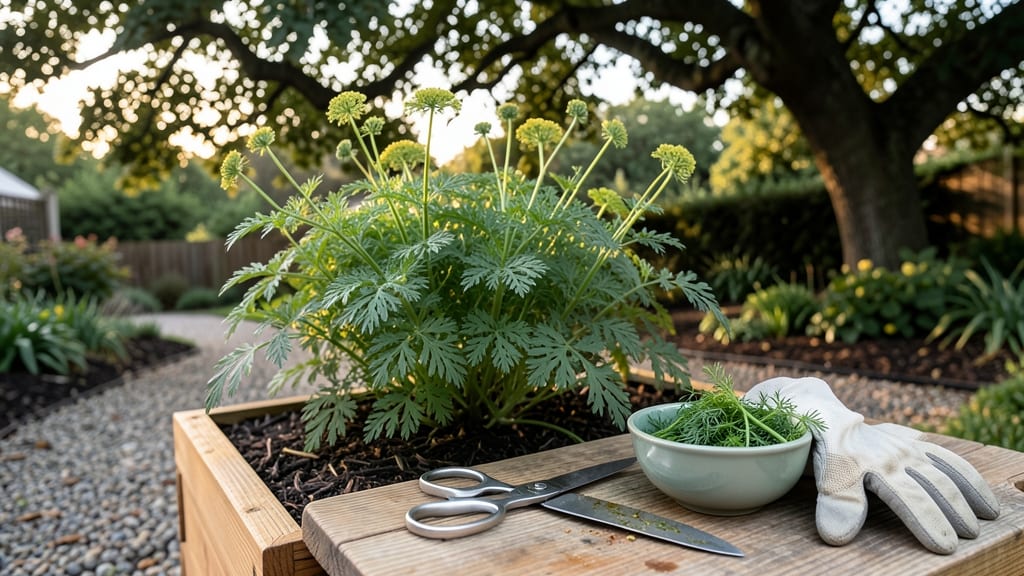
Harvesting dill weed at the right time ensures the brightest flavor and keeps your plants producing all season—here’s exactly how to do it without wasting a single leaf.
Fresh dill weed is the secret ingredient that elevates soups, salads, and fish dishes—but harvesting it at the wrong time can turn that zesty punch into bitter disappointment. The key? Cutting just as those seed heads turn brown, not before or after.
You don’t need fancy tools to get started—just clean pruners and a sunny morning. I’ll walk you through the best cutting techniques to maximize yield, how to tell when your dill is ready (and when it’s past its prime), and even how to store what you harvest so it lasts.
Whether you’re growing dill for culinary use or saving seeds, these tips will help you harvest like a pro and keep your plants thriving for weeks of fresh, fragrant leaves.

When to harvest dill weed: identifying the perfect cutting window
Timing your dill harvest is everything when it comes to flavor and yield. Fresh dill leaves are most potent just before the plant bolts, while dill seed heads reach peak flavor when they turn a deep brown.
Missing these windows means bitter leaves or bland seeds—neither of which will elevate your culinary dishes like fresh dill should.
For leaf harvests, I recommend cutting when plants reach 12-18 inches tall and leaves are fully developed. This typically happens 6-8 weeks after planting, but exact timing depends on your climate zone and growing conditions.
In warmer regions, dill bolts faster, so act quickly to preserve that bright, citrusy flavor.
Here’s the visual guide you need to know when your dill is ready for harvest—whether you’re growing it outdoors in full sun or indoors near a south-facing window.
| Harvest Stage | Key Visual Cues | Best Time to Harvest | Flavor Impact |
|---|---|---|---|
| Leaf Harvest (Early) | Lush, dark green leaves; plant 12-18" tall; no flower buds | 6-8 weeks after planting; morning hours | Bright, citrusy, most aromatic |
| Seed Head Harvest (Late) | Seed heads turn deep brown; leaves may yellow | Late summer/early fall; after seed heads dry slightly | Earthy, warm, ideal for baking |
| Over-Mature (Avoid) | Seed heads turn gray/brown; leaves wilted | Never harvest at this stage | Bitter, stale, inedible |
| Indoor Growth | Slow growth; leaves sparse; leggy stems | Harvest leaves when 6-10" tall; supplement with grow lights | Milder flavor; regrow with pruning |
If you’re growing dill outdoors, pay close attention to the seed head color. When they shift from green to a rich, deep brown, that’s your cue to harvest for seeds.
For leaves, I always cut just above a leaf node to encourage bushier regrowth. This method works whether you’re harvesting for soups, pickling, or garnishes.
Seasonal variations matter too. In cooler climates, dill may take longer to bolt, giving you a longer leaf harvest window. Meanwhile, in hotter zones, dill bolts quickly—sometimes in as few as 45 days.
If you notice your plants flowering early, harvest the leaves aggressively to delay bolting and extend your harvest.
For indoor dill, timing is trickier because growth slows without ample sunlight. I’ve found that supplementing with a grow light (12-16 hours/day) helps mimic outdoor conditions. Harvest leaves when they’re 3-4 inches long, and avoid letting the plant flower indoors—it signals the end of its productive life.
Pro tip: Always harvest in the morning after dew has dried. This ensures your dill leaves are at their crispest and most flavorful. Store harvested dill in a sealed container with a damp paper towel to keep it fresh for up to 5 days in the fridge.
One common mistake I see is waiting too long to harvest. If you let dill go to seed, the leaves become bitter and tough, and the plant puts all its energy into seed production.
For the best results, I recommend harvesting leaves every 2-3 weeks throughout the growing season to keep your dill productive and flavorful.
Finally, if you’re growing dill for seeds, leave a few seed heads on the plant until they’re fully brown and dry. Once harvested, store them in a cool, dark place for up to 1 year. These seeds are perfect for pickling spices or growing next year’s crop.
Best dill weed cutting techniques: pruning for maximum yield & regrowth
Harvesting dill weed the right way isn't just about cutting stems—it's about encouraging your plant to grow bushier and more productive. When done correctly, pruning stimulates new leaf growth and prevents those tall, leggy stems that ruin flavor.
I’ve learned the hard way that improper cutting angles and harvesting too late can turn a thriving dill plant into a sad, woody relic. Let’s fix that!
Start by using the right tools—sharp pruning shears or clean scissors work best. Avoid tearing leaves, as this invites pests and diseases. The key is to cut just above a leaf node (where leaves meet the stem), about 1/4 inch above it.
This encourages new shoots to sprout from that exact spot. If you’re unsure where the node is, look for the tiny bump where leaves attach—the perfect place to make your cut.
How to Harvest Dill Weed for Bushier Growth
- 🌿 Step 1: Wait for maturity – Harvest when plants reach 12-18 inches tall and leaves are fully developed (usually 60 days after sowing).
- ✂️ Step 2: Use clean tools – Sanitize shears with rubbing alcohol to prevent bacterial spread. Cut stems at a 45-degree angle just above a leaf node.
- 🌱 Step 3: Harvest outer stems first – Focus on outer stems to avoid damaging the center. This promotes bushier regrowth from the base.
- 💧 Step 4: Water deeply after pruning – Give your plant 1 cup of water to recover and encourage new shoot growth within 7-10 days.
- ☀️ Step 5: Repeat every 3-4 weeks – Regular harvesting prevents flowering too early and maintains leafy, flavorful growth all season.
One of the biggest mistakes I see is harvesting dill when the seed heads turn brown. While those seeds are great for pickling, the leaves lose their bright, fresh flavor once flowering begins. If your dill looks leggy and sparse, it’s already past its prime for leaf harvesting.
To revive it, trim back the tallest stems by half and fertilize lightly with a balanced 5-10-10 mix. Within weeks, you’ll see new growth from the base.
For maximum yield, aim to harvest dill every 3-4 weeks during its peak growing season (June–August). This keeps the plant productive and compact instead of letting it bolt into tall, woody stems.
Pro tip: If you’re growing dill for both leaves and seeds, let a few stems flower naturally while continuing to harvest the outer leaves. This way, you get the best of both worlds!
Don’t forget to store harvested dill properly to preserve its flavor. Bundle stems and hang them upside down in a dark, dry place for 1-2 weeks to dry, or freeze leaves in ice cube trays with water for easy culinary use.
With the right pruning techniques, your dill plant can keep producing lush, aromatic leaves for months—no sad, woody stems in sight!
Now that you know the secrets to pruning for regrowth, your dill will thank you with bountiful harvests all season long. Happy harvesting! 🌿