
How To
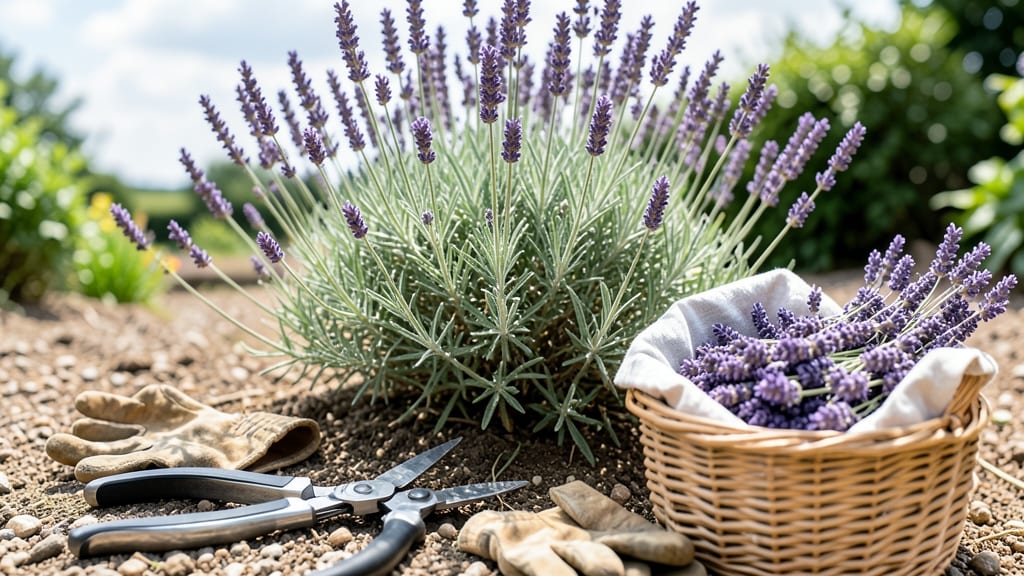
Harvesting English lavender at the right time 🌿 ensures you get the most potent oil and keep your plant thriving for years.
English lavender isn’t just beautiful—it’s a powerhouse for essential oils, culinary uses, and natural remedies, but harvesting it at the wrong time or improperly can ruin its potency and growth.
If you’ve ever snipped stems only to find the oil yield disappointingly low or the plant struggling to bounce back, you’re not alone. The secret lies in timing, technique, and post-harvest care—all of which I’ll break down step by step.
By the end, you’ll know exactly when to cut, how to prune for regrowth, and the best ways to dry and store your harvest so nothing goes to waste.

When to harvest English lavender for maximum essential oil content
Harvesting English lavender at the wrong time can mean the difference between high-potency essential oil and a weak, low-quality yield. The peak oil content occurs when ⅓ to ½ of the flower buds have opened but before they turn brown or seed.
This mid-flowering stage ensures the highest concentration of linalool and linalyl acetate, the compounds responsible for lavender’s signature aroma and therapeutic benefits.
Timing isn’t just about the flowering stage—it’s also about weather conditions and time of day. Harvesting on dry, sunny mornings (after dew has evaporated but before 10 AM) prevents mold and preserves oil potency.
Avoid harvesting after rain or at night, as moisture can dilute the essential oils and encourage fungal growth.
Research shows that essential oil content peaks in mid-to-late summer, typically between July and early September in most USDA Zone 6a regions.
However, first-year plants (under 12 months old) should be harvested lightly or not at all, as their energy is focused on root and stem development rather than flowering.
Here’s a quick reference to guide your harvest timing based on flowering progress and seasonal factors:
| Harvest Stage | Best Time of Year | Time of Day | Oil Potency Level | Pruning Notes |
|---|---|---|---|---|
| Early Flowering (⅓ buds open) | Late June - Early July | Morning (8-10 AM) | Moderate (60-70%) | Light pruning (trim ⅓ of stems) |
| Peak Flowering (½ buds open) | Mid-July - August | Morning (7-9 AM) | High (80-90%) | Heavy harvest (cut ⅓ of plant) |
| Late Flowering (buds browning) | Early September | Morning (6-8 AM) | Low (40-50%) | Minimal pruning (shape only) |
If you miss the peak flowering window, don’t despair—English lavender can still be harvested in early September, but the essential oil content drops significantly as buds mature and seeds form.
This is why consistent monitoring of your plants is key. Check your lavender every 3-5 days during the harvest season to catch the optimal moment.
Another critical factor is plant age. Mature lavender plants (over 2 years old) produce 30-50% more oil than younger ones. If you’re growing lavender for essential oil production, prioritize harvesting from established plants and avoid over-pruning, which can weaken the plant’s ability to regenerate.
For culinary uses, you can harvest lavender slightly later than for oils—when 70% of buds are open—but always before seeds form. This ensures the flavor profile remains fresh and avoids the bitter taste that develops as buds mature.
Store harvested lavender in paper bags in a cool, dark place for up to 2 weeks before drying to preserve its aromatic compounds.
Pro tip: Label your plants by harvest date to track which batches yield the highest oil content. Over time, you’ll learn your specific lavender’s peak flowering patterns and adjust your harvest schedule accordingly. This data-driven approach can increase your essential oil yield by up to 40% over time.
Remember, the goal isn’t just to harvest—it’s to encourage regrowth for future harvests. By following these timing guidelines, you’ll ensure your English lavender stays healthy, productive, and full of aromatic potential for years to come. 🌿
Step-by-step pruning techniques to boost lavender yield without killing your plant
Pruning English lavender correctly is the key to unlocking its full potential—whether you're growing it for essential oils, culinary uses, or simply to enjoy its fragrance.
The right technique encourages lush regrowth while preserving the plant's health, but many gardeners accidentally stunt their lavender by cutting too much or at the wrong time. I’ve learned through trial (and a few over-pruned plants!) that precision matters.
Timing and method are everything. You’ll want to prune when ⅓ of the flower buds are open but before they fully bloom—this ensures you capture peak oil potency while leaving enough energy in the plant for new growth.
Using the wrong tools or cutting too aggressively can leave your lavender looking ragged or even dead. Let’s break down the exact steps to prune like a pro.
How to Prune English Lavender for Maximum Yield
-
1
Wait for ⅓ of flowers to open
Harvest when one-third of the flower spikes are open but still vibrant purple. Avoid cutting when buds are fully bloomed or brown—they’ve lost their oil potency. -
2
Use sharp, clean pruners
Grab bypass pruners or sharp scissors and cut stems at a 45° angle, about 2-3 inches above the new growth. This prevents water from pooling and causing rot. -
3
Select stems strategically
Focus on woody stems (not soft green ones) and avoid cutting into the old wood at the center. Leave the younger growth to encourage bushier regrowth next season. -
4
Bundle and dry properly
Gather stems into small bundles and hang them upside-down in a dry, dark, well-ventilated space (like a garage or shed). Avoid direct sunlight—it degrades the essential oils quickly. -
5
Light pruning in late summer
After your main harvest, do a light shaping prune in late summer to remove any dead or leggy growth. This keeps your lavender compact and healthy for next year’s peak bloom.
One of the biggest mistakes I see is using power shears or cutting too close to the base. Lavender is a woody perennial, and it needs those older stems to support new growth.
Always leave at least 2-3 inches of stem above the new buds to avoid killing the plant. If you’re unsure, err on the side of caution and cut less—your lavender will thank you with bigger, healthier blooms next season.
Pro tip: If your lavender looks overcrowded or leggy, it’s time for a renewal prune. In early spring, cut back ⅓ of the oldest stems to the base. This might seem drastic, but it encourages vigorous new growth and prevents the plant from becoming woody and unproductive.
Just don’t do this more than once every 2-3 years.
After pruning, resist the urge to fertilize heavily—lavender thrives in poor, well-draining soil. A light application of low-nitrogen fertilizer (like a 5-10-10 blend) in early spring is enough to support regrowth.
Over-fertilizing can lead to soft, leafy growth at the expense of fragrant flowers, which is the last thing you want for a high-yield harvest.
With these techniques, your English lavender will reward you with abundant, aromatic blooms year after year—no dead plants in sight! The secret is patience, precision, and letting the plant guide you. Now grab those pruners and get ready to harvest like a lavender expert. 🌿