
How To
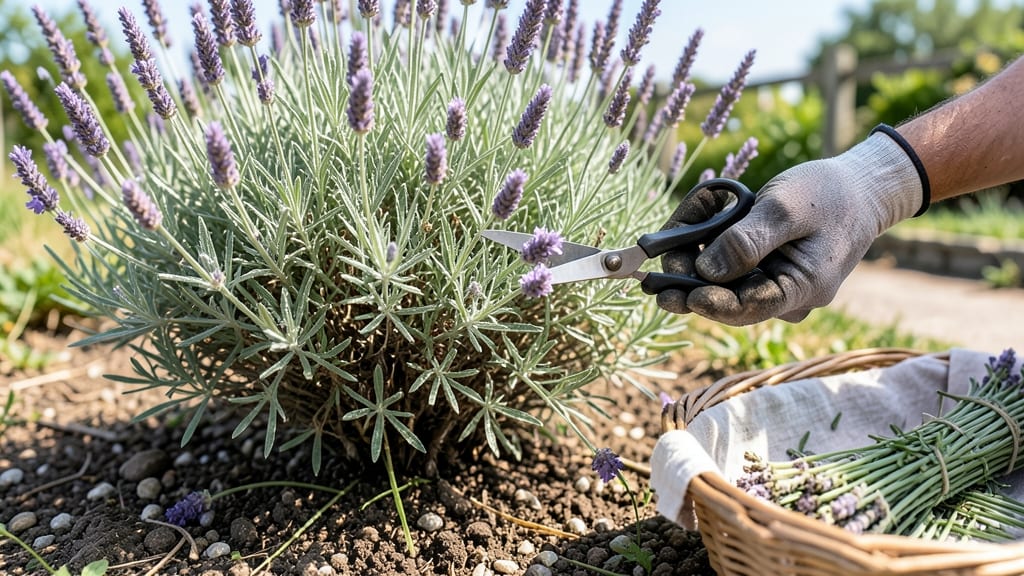
Harvesting lavender at its peak means waiting until mid to late summer when buds turn purple and the stems feel firm 🌿 — too early or too late, and you’ll miss the sweet spot for fragrance and oil.
Picture this: you’ve nurtured your lavender all season, and now the moment of truth arrives. One wrong cut, and you could end up with bitter stems or weak essential oils. The secret? The stem flex test—a simple trick to guarantee you’re harvesting at the perfect moment.
Why does timing matter so much? Because lavender’s fragrance and oil content peak when the buds are just about to open but haven’t fully bloomed. Harvest too soon, and you’ll get weak stems and faint scent. Wait too long, and the flowers lose their potency.
In this guide, I’ll walk you through the exact signs to look for, the best time of day to harvest, and how to avoid common mistakes that ruin your yield. By the end, you’ll know exactly when to snip for the most aromatic, high-quality lavender.

How to perform the lavender stem flex test for perfect harvest timing
Harvesting lavender at the wrong time can turn your fragrant dream garden into a bitter disappointment. The stem flex test is my go-to method for determining the perfect moment to harvest lavender, whether you're growing it for dried bouquets, essential oils, or fresh culinary uses.
This simple technique helps you avoid harvesting too early (when buds are still green and low in oil) or too late (when flowers are past their peak fragrance).
Timing matters because lavender's essential oil content peaks just before the buds fully open. A well-timed harvest ensures maximum fragrance and oil yield, which is especially important if you're growing lavender for commercial purposes or DIY projects.
The stem flex test takes just seconds and requires no special tools—just your hands and keen observation skills.
How to Perform the Stem Flex Test
- 1 Select a healthy stem with at least 3-5 buds that appear plump and ready to open. Avoid stems with yellowing leaves or signs of disease.
- 2 Gently grasp the stem about 2 inches below the buds. Use your thumb and forefinger to apply light pressure—just enough to feel resistance.
- 3 Flex the stem slightly. If it bends but doesn’t snap and feels woody or firm, it’s ready for harvest. A stem that bends easily like a green twig needs more time.
- 4 Check bud color. The buds should be plump and beginning to turn color (purple, lavender, or blue, depending on the variety). If they’re still green and tightly closed, wait 1-2 weeks.
- 5 Test the fragrance. Crush a few leaves between your fingers. If you smell a strong, sweet aroma, the plant is ready. Little to no scent means it’s not harvest time yet.
Pro Tip: Perform the test on multiple stems to account for variability in your lavender patch. Harvest on a dry, sunny morning for the best results.
For essential oil extraction, aim to harvest lavender when the stems pass the flex test and the buds are about 70% open. This stage ensures the highest linalool and linalyl acetate content, which are key components of lavender oil.
If you're harvesting for dried flowers, you can wait until the buds are fully open but still tightly clustered—this preserves the shape better for arrangements.
I’ve found that English lavender (like 'Munstead' or 'Hidcote') often reaches harvest readiness slightly earlier than French lavender (such as 'Grosso' or 'Provence'). Spanish lavender varieties like 'Papillon' tend to have a longer harvest window, so monitor them closely.
Always harvest every 6-8 weeks during the growing season to encourage bushier growth and more abundant blooms next year.
One common mistake is harvesting lavender after a rain shower, as moisture can dilute the essential oils and make the stems more prone to mold during drying. If rain is in the forecast, harvest a few days early and let the stems dry indoors before bundling.
For commercial growers, this means planning harvests around weather forecasts to avoid losing quality.
To maximize your yield, always cut stems at a 45-degree angle just above a set of leaves or side branch. This encourages new growth from that point and helps the plant maintain its shape. Avoid cutting into old wood, as it won’t regrow.
After harvesting, bundle stems in small groups (about 10-15 stems per bunch) and hang them upside down in a dry, dark, well-ventilated space for 2-3 weeks to dry completely.
Remember, the stem flex test is your best friend for ensuring you harvest lavender at its peak. With practice, you’ll develop an instinct for the perfect moment—when the stems are firm, the buds are fragrant, and the aroma is at its most intoxicating. Happy harvesting! 🌿✂️🌸
Best time of day, year, and weather conditions for harvesting lavender
Timing your lavender harvest correctly ensures the best fragrance and essential oil content. The ideal harvest window depends on three key factors: time of day, season, and weather. Morning harvests yield the most potent oils, while late-season blooms often produce the richest color.
Humidity and temperature also play critical roles—avoid harvesting after rain or in extreme heat, as these conditions dilute oil potency and invite mold.
For most lavender varieties, the peak harvest season falls between mid-July and early August, when buds are plump but haven’t fully opened. However, Spanish lavender often blooms later, while French lavender may start earlier.
Always prioritize dry, sunny mornings to preserve quality. Below, I’ve broken down the optimal conditions by lavender type to help you plan your harvest like a pro.
| Lavender Type | Best Harvest Month | Ideal Time of Day | Weather Conditions | Key Harvest Tip |
|---|---|---|---|---|
| English Lavender | July - Early August | Morning (6-9 AM) | Dry, sunny, <50% humidity | Harvest when buds turn purple but remain closed |
| French Lavender | June - July | Early morning (5-8 AM) | Clear skies, temps 65-75°F | Prioritize stems with strong fragrance when crushed |
| Spanish Lavender | August - September | Late morning (9-11 AM) | Low humidity, full sun exposure | Wait until 50% of buds open for best oil yield |
Harvesting in the morning is non-negotiable for lavender lovers. Why? Dew has evaporated, but the essential oils haven’t yet broken down in the heat. If you must harvest later, stick to late afternoon (after 4 PM) when temperatures drop slightly.
Avoid evenings entirely—high humidity traps moisture in the stems, leading to mold during drying. Pro tip: Use a sharp pair of shears and cut stems at a 45-degree angle just above a leaf node to encourage bushier growth.
Temperature matters too. Ideal harvest temps range between 65-75°F. If your region hits 90°F+, wait until evening or harvest in early summer before the heat peaks. High temperatures cause lavender to lose oil potency and develop a bitter taste.
Conversely, harvesting in cooler climates (like the Pacific Northwest) may extend your window into late summer, but always check for frost risks after mid-August.
One final pro move: Harvest lavender in stages rather than all at once. This extends your plant’s productive lifespan and ensures a steady supply of fragrant stems. For commercial growers, this strategy also spreads out drying and oil extraction processes, making operations more efficient.
Just remember—never harvest more than one-third of the plant at a time to avoid stressing the roots.
With these timing secrets, you’ll transform your lavender harvest from so-so to showstopping. Whether you’re drying bundles for sachets or extracting oil for skincare, precision timing is your secret weapon for maximum fragrance and potency every time. 🌿